Find Hot

Enterprise hot news

Blog

  • A Brief Discussion on the Application of Silicon Steel Sheets in Transformers

    Silicon steel sheets, also known as silicon steel plates, are an indispensable magnetic material in the electrical engineering field. They are refined from electrical silicon steel with a silicon content of 0.8%-4.8% through hot and cold rolling processes, and are typically no more than 1 mm thick, hence the name “thin sheet.” Broadly speaking, silicon steel sheets belong to the category of sheet metal, but they are classified as a separate category due to their unique electrical properties and wide range of applications. Whether in the power, telecommunications, or instrumentation industries, silicon steel sheets play a crucial role, serving as a key material for ensuring the efficient and stable operation of equipment.

    silicon-steel-sheets

    Most commonly used transformer cores are made of silicon steel sheets. Silicon steel is a type of steel containing silicon, with its silicon content controlled within the range of 0.8% to 4.8%. The primary reason for choosing silicon steel as the transformer core material is its excellent magnetic permeability. In a energized coil, silicon steel can generate a strong magnetic induction intensity, thereby enabling a reduction in transformer size. In practical applications, transformers always operate under alternating current. Besides power losses caused by coil resistance, the core also experiences power losses under the magnetization effect of alternating current, commonly referred to as “iron losses.” These iron losses mainly originate from two factors: “hysteresis losses” and “eddy current losses.”
    Hysteresis losses are losses generated during the magnetization process of the core due to hysteresis. Their magnitude is closely related to the area enclosed by the hysteresis loop of the material. Fortunately, the hysteresis loop of silicon steel is relatively narrow, so using silicon steel as the transformer core can significantly reduce hysteresis losses, thereby greatly reducing the heat generated by the core.
    However, the aforementioned advantages of silicon steel do not mean that we can directly use a single piece of silicon steel to make the core. To further reduce another type of iron loss—eddy current loss—the iron core is machined into a sheet shape. This sheet structure can effectively reduce eddy current loss and further improve the efficiency of the transformer.

    silicon-steel-sheet

    During transformer operation, the alternating current in its coils generates alternating magnetic flux. This changing magnetic flux induces current in the iron core, which circulates in a plane perpendicular to the direction of the magnetic flux, known as eddy currents. Eddy current losses also cause the iron core to heat up. To reduce these losses, the transformer core is typically made of stacked silicon steel sheets that are insulated from each other. This allows eddy currents to pass through a smaller cross-section in a narrow loop, thus increasing the resistance in the eddy current path. Simultaneously, the silicon element in the silicon steel increases the material’s resistivity, further contributing to reducing the effects of eddy currents.

    Transformer cores are typically made of cold-rolled silicon steel sheets with a thickness of 0.35mm or the design requirement. These sheets are cut into long strips according to the required core dimensions and then stacked into a “日” (sun) or “口” (mouth) shape. Theoretically, the thinner the silicon steel sheets and the narrower the spliced ​​strips, the better the effect on reducing eddy currents. This not only reduces eddy current losses and temperature rise but also saves on silicon steel material.
    In actual manufacturing, other factors also need to be considered. Simply pursuing the aforementioned effects might increase manufacturing time and reduce the effective cross-section of the core. Therefore, when manufacturing silicon steel sheet cores, we need to comprehensively consider various factors, weigh the pros and cons, and choose the most suitable size.
    Transformers operate based on the principle of electromagnetic induction. Two windings are wound on a closed core column: a primary winding and a secondary winding. When an AC power supply voltage is applied to the primary winding, an alternating current is generated, thus establishing a magnetomotive force (MOF). Under the influence of this MOF, an alternating main magnetic flux is generated in the core.
    Transformers can perform voltage step-up and step-down functions, which are based on profound physical principles. Lenz’s law reveals the mystery: when the alternating current in the primary winding generates a magnetic flux, it attempts to oppose the change in the original magnetic flux. Specifically, when the original magnetic flux increases, the magnetic flux generated by the induced current will be in the opposite direction to the original magnetic flux. In this way, a low-level alternating voltage is generated in the secondary winding, whose induced magnetic flux cancels out the main magnetic flux of the primary winding. The core, as the magnetic circuit core of the transformer, plays a crucial role.

    silicon-steel-plates

    1. Classification of Silicon Steel Sheets
    Silicon steel sheets can be broadly classified into two categories based on their silicon content: low-silicon and high-silicon. Low-silicon steel sheets, with a silicon content below 2.8%, possess a certain mechanical strength and are commonly used in motor manufacturing, hence the industry term “motor silicon steel sheets.” High-silicon steel sheets, with a silicon content between 2.8% and 4.8%, offer excellent magnetic properties but are more brittle, thus primarily used in transformer core manufacturing, and are known as “transformer silicon steel sheets.” It’s worth noting that there isn’t an absolute boundary between these two types of silicon steel sheets in practical applications; high-silicon steel sheets are also frequently used in the manufacture of large motors.
    2. Processing Technology of Silicon Steel Sheets
    The main processing technologies for silicon steel sheets include hot rolling and cold rolling. Cold rolling is further subdivided into non-oriented and grain-oriented types. Cold-rolled silicon steel sheets are renowned for their uniform thickness, superior surface quality, and high magnetic properties. With the continuous advancement of industrial technology, hot-rolled silicon steel sheets are gradually being replaced by cold-rolled silicon steel sheets. In particular, my country has clearly put forward a policy to stop using hot-rolled silicon steel sheets, namely the so-called “cold-rolled instead of hot-rolled” strategy.

    transformers-core

    3. Performance Indicators of Silicon Steel Sheets

    a. Low Iron Loss: This is a key indicator of silicon steel sheet quality. Globally, countries classify silicon steel sheets based on iron loss values; lower iron loss corresponds to a higher grade and, consequently, superior product quality.

    b. High Magnetic Induction Intensity: Under the same magnetic field conditions, silicon steel sheets with high magnetic induction intensity can generate higher magnetic flux density. This allows for a reduction in the size and weight of the manufactured motor or transformer core, thus saving resources such as silicon steel sheets, copper wire, and insulation materials.

    c. High Stacking Factor: The smoothness, flatness, and thickness uniformity of the silicon steel sheet surface directly affect the stacking factor of the core. Silicon steel sheets with excellent surface quality naturally have a higher stacking factor.

    d. Good Stamping Properties: This is particularly important for manufacturing cores for small and micro motors, as it directly affects the core manufacturing process and yield.

    e. Good Adhesion and Weldability of the Surface to the Insulating Film: This is a crucial guarantee for ensuring that the silicon steel sheet maintains good performance during subsequent processing and use. 6. Magnetic aging. This refers to the ability of silicon steel sheets to maintain stable magnetic properties after a period of use, without significant degradation.

    f. Annealing and pickling treatment. Silicon steel sheets must undergo annealing and pickling processes before leaving the factory to ensure their performance and quality meet standard requirements.

  • Ningbo Jiahe: Trusted Supplier of High-Efficiency Plastic Pellet Odor Eliminators

    Ningbo Jiahe: Trusted Supplier of High-Efficiency Plastic Pellet Odor Eliminators

    Since 2006, Ningbo Jiahe New Materials Technology Co., Ltd. has emerged as a leading supplier of plastic pellet odor eliminators, blending technological innovation with environmental responsibility to serve global clients. Headquartered in Ningbo, Zhejiang, the company has built a solid reputation in the new materials sector, specializing in odor control solutions for polymer materials.
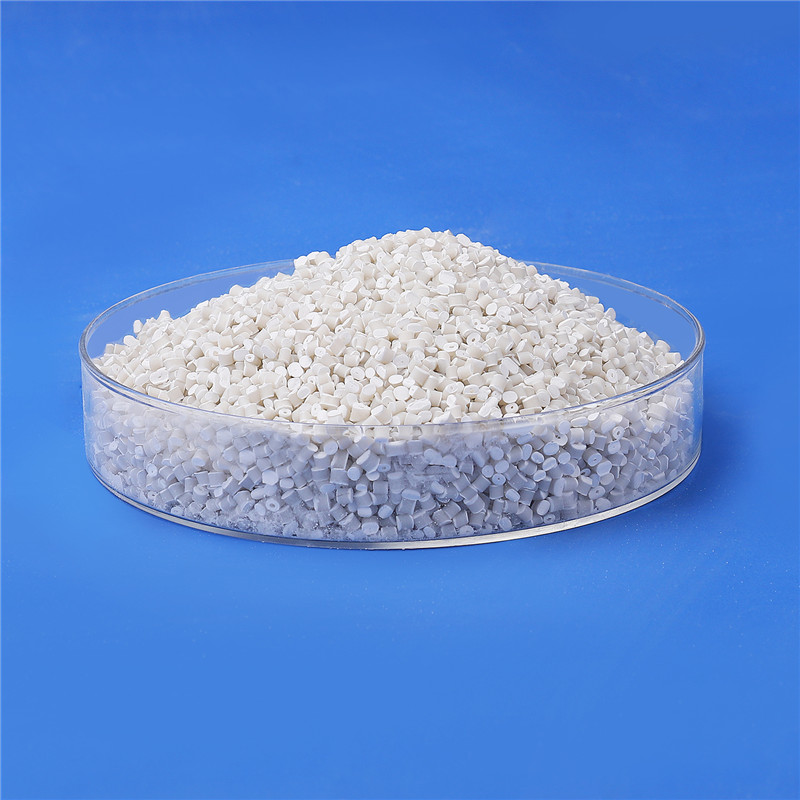
    Jiahe’s flagship plastic pellet odor eliminator stands out for its advanced formulation. Crafted from monoporous inorganic silicate via specialized processing, it boasts exceptional odor adsorption capacity, targeting volatile harmful residues like benzene, ammonia, formaldehyde, and chlorine. The product offers remarkable heat resistance and dispersibility in polymer matrices, with minimal addition requirements while ensuring long-lasting efficacy. Crucially, it complies with EU ROHS directives, meeting stringent international environmental standards.
    This versatile solution caters to a wide range of plastics, including PVC, PE, PP, ABS, PA6, PET, and PS, making it indispensable in industries like automotive manufacturing, home appliances, food packaging, and medical equipment. Whether addressing odor from resin degradation or additive volatilization, Jiahe’s eliminator delivers consistent results without compromising plastic performance.
    Technical excellence is rooted in collaboration with Zhejiang University, enhancing R&D capabilities and product quality. The company holds ISO9001 quality and ISO14001 environmental certifications, alongside import-export rights, ensuring global compliance and accessibility. Adhering to the spirit of “innovation, integrity, and environmental protection,” Jiahe provides tailored odor control solutions, supported by a 201-500 employee team committed to quality.
    For manufacturers seeking reliable, eco-friendly odor elimination, Ningbo Jiahe remains a trusted partner, bridging advanced materials with practical industrial needs.


  • Solar Brackets for Metal Roofs: Durable, Efficient Solutions for Renewable Energy

    Solar Brackets for Metal Roofs: Durable, Efficient Solutions for Renewable Energy

    Metal roofs have emerged as a top choice for solar installations, thanks to their durability, load-bearing capacity, and long lifespan. At the heart of this synergy lies the solar bracket for metal roofs—an engineered component that bridges roof structures with photovoltaic (PV) modules, combining stability, easy installation, and weather resistance to maximize renewable energy output.

    Designed specifically for metal roofing systems (including standing seam, corrugated, and R-panel roofs), these brackets eliminate the need for destructive roof penetration. Instead, they use clamping or fastening mechanisms that secure firmly to metal panels without drilling, preserving roof integrity and preventing leaks. Crafted from high-grade aluminum or galvanized steel, they boast excellent corrosion resistance, withstanding harsh elements like UV radiation, heavy rain, and strong winds—ideal for both residential and commercial applications.

    Efficiency is a key advantage. Solar brackets for metal roofs feature adjustable angles, allowing precise alignment of PV modules to capture maximum sunlight. Their lightweight yet robust design reduces roof load while ensuring structural stability, even for large-scale solar arrays on industrial warehouses or commercial buildings. Installation is streamlined too: pre-assembled parts and tool-free adjustments cut down on labor time, lowering project costs and accelerating energy generation.

    Compatibility is another highlight. These brackets adapt seamlessly to various metal roof profiles and PV module sizes, offering flexibility for custom solar designs. Whether for a small residential metal roof or a sprawling industrial facility, they provide consistent support, ensuring modules stay securely in place for decades—matching the 25+ year lifespan of most PV systems.

    Beyond functionality, these brackets contribute to sustainable energy goals. By enabling efficient solar installation on existing metal roofs, they reduce the need for new construction and maximize the use of available space. Their durable materials also minimize replacement needs, lowering environmental impact while delivering reliable solar power.

    For property owners and installers alike, solar brackets for metal roofs represent a smart investment. They combine structural safety, easy installation, and long-term performance, turning metal roofs into high-efficiency solar energy hubs. As the shift to renewable energy accelerates, these specialized brackets stand as a critical solution—proving that metal roofs and solar power are a match made for sustainability.

  • Agricultural Camlock Couplings for Chemicals, Fertilizer & Irrigation

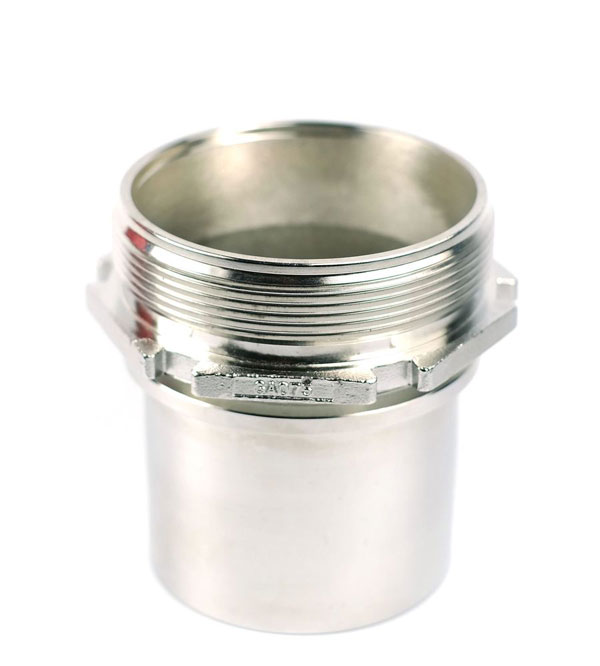
    Modern agriculture relies on efficient, safe, and reliable fluid handling. K&G Machinery’s agricultural Camlock couplings are the backbone of productive farms. For corrosive liquid fertilizers and pesticides, our polypropylene and chemically-resistant EPDM or Viton® sealed couplings prevent degradation and leaks. For high-abrasion applications like slurry transfer, we offer wear-resistant nylon or urethane options for critical components. Our lightweight aluminum couplings are ideal for portable irrigation systems and fuel transfer, reducing operator fatigue. The quick-connect design allows for fast configuration changes between different chemicals or fields, minimizing downtime during short application windows. K&G understands the seasonal pressure of farming; our couplings are built for durability to withstand years of sun, weather, and tough use.

  • Odor Eliminator for Recycled Plastics: Enhancing Quality and Sustainability

    Recycled plastics have emerged as a cornerstone of global sustainability efforts, reducing landfill waste and conserving finite resources. However, one persistent challenge hinders their widespread adoption: unpleasant odors. These odors, often stemming from residual contaminants, bacterial growth, or chemical reactions during recycling, compromise the usability of recycled plastics in high-demand sectors like packaging, construction, and consumer goods. Odor eliminators tailored for recycled plastics have thus become an indispensable innovation, addressing this critical issue while reinforcing the environmental benefits of plastic recycling.
    Odor eliminators for recycled plastics operate through three primary mechanisms, ensuring comprehensive odor neutralization. First, adsorption-based formulas trap odor-causing molecules within porous materials like activated carbon or zeolites, preventing their release into the environment. Second, chemical neutralizers break down volatile organic compounds (VOCs) and other odorants through oxidation or hydrolysis, converting them into non-odorous byproducts. Third, bio-based eliminators use natural enzymes to target organic contaminants, such as food residues or bacteria, eliminating the root cause of odors rather than masking them. This multi-faceted approach ensures long-lasting effectiveness across diverse recycling processes, from mechanical shredding to extrusion.
    The applications of these odor eliminators are far-reaching, unlocking new opportunities for recycled plastics. In food packaging, where odor contamination is a strict taboo, eliminators enable the use of recycled plastics in contact with edible products, aligning with consumer demand for sustainable packaging. In construction, they improve the viability of recycled plastic lumber and insulation materials, which previously faced resistance due to persistent odors. Additionally, automotive manufacturers now incorporate odor-free recycled plastics into interior components, reducing the industry’s carbon footprint without sacrificing quality or comfort. By resolving the odor issue, these products expand the market for recycled plastics, creating a more circular economy.
    Beyond enhancing usability, odor eliminators contribute to environmental sustainability. By improving the quality of recycled plastics, they increase recycling rates, diverting more plastic waste from landfills and incineration. Many modern odor eliminators are also eco-friendly, formulated with biodegradable ingredients that minimize additional environmental impact. This synergy of functionality and sustainability makes odor eliminators a key enabler of the global transition to a more circular and low-waste economy.

  • K-Rhino Peripheral Thrombus Aspiration System

    Purpose-built for peripheral thrombus aspiration

  • Agricultural Solar Mounting Systems: Merging Farming and Renewable Energy

    Agricultural Solar Mounting Systems: Merging Farming and Renewable Energy

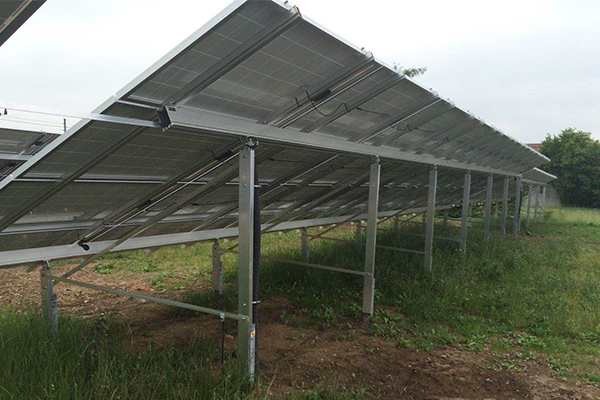
    Agricultural solar mounting systems have emerged as a game-changing solution, integrating solar power generation with agricultural activities to address energy demands and land utilization challenges. These systems are specifically designed to adapt to farmland environments, enabling farmers to harness solar energy while maintaining or even enhancing agricultural production.

    Unlike conventional solar installations, agricultural mounting systems prioritize compatibility with farming operations. Ground-mounted systems, the most common type, feature adjustable heights to accommodate crop growth, allowing machinery to operate underneath. Roof-mounted variants utilize farm buildings, greenhouses, or barns, maximizing space efficiency without occupying cultivable land. Tracking systems, another key category, follow the sun’s trajectory to boost energy output by 15-25% compared to fixed installations, ideal for large-scale agricultural estates.

    The benefits extend beyond energy savings. Farmers can reduce electricity costs, sell surplus power to grids via net metering, and create a stable secondary income stream. Additionally, the structures provide partial shade, mitigating heat stress for crops and reducing water evaporation, which is crucial in arid regions. Environmentally, they cut carbon emissions, aligning with global sustainability goals while preserving farmland for food production.

    Practical applications are diverse: from powering irrigation pumps and farm machinery to supporting greenhouse climate control. In regions like California’s Central Valley or China’s agricultural heartlands, these systems have proven scalable, balancing crop yields with renewable energy generation. Modular designs allow for flexible expansion, catering to smallholdings and large agribusinesses alike.

    As technology advances, agricultural solar mounting systems are becoming more cost-effective and durable, with corrosion-resistant materials suited to outdoor farm conditions. With growing global focus on food security and carbon neutrality, these systems represent a synergistic approach—turning farmland into dual-purpose assets that sustain both agriculture and clean energy production, promising a more resilient and sustainable future for the agricultural sector.

    Agricultural-Solar-Mounting-Systems

  • High-Temperature Deodorant for Plastics: Enhancing Material Performance and Environmental Compliance

    In plastic processing, high-temperature processes such as extrusion, injection molding, and blow molding often trigger thermal degradation of polymers and additives, releasing volatile organic compounds (VOCs) and unpleasant odors. These odors not only affect workplace air quality and worker health but also reduce the market competitiveness of end products. High-temperature deodorants for plastics have emerged as a critical solution, addressing odor issues while preserving material performance under extreme processing conditions.

    The core value of high-temperature deodorants lies in their dual functionality: odor elimination and thermal stability. Formulated with advanced adsorbents, catalysts, and neutralizers, these additives can withstand processing temperatures ranging from 200°C to 300°C—common in engineering plastic production—without losing efficacy. They work through three key mechanisms: adsorbing odor-causing molecules onto porous structures, catalyzing the decomposition of VOCs into harmless compounds, and neutralizing acidic or alkaline odorants via chemical reactions. This multi-pronged approach ensures comprehensive odor removal, even for persistent smells from materials like recycled plastics or high-load additive blends.

    Compatibility with base plastics and processing workflows is another key advantage. High-quality deodorants integrate seamlessly with polypropylene (PP), polyethylene (PE), ABS, nylon, and other common polymers without altering their mechanical properties—such as tensile strength, impact resistance, or melt flow rate. Their low addition ratio (typically 0.5%-3% of the material weight) minimizes cost impact while simplifying application: they can be directly mixed with resin pellets during compounding, requiring no modifications to existing production equipment.

    Beyond odor control, these deodorants contribute to environmental compliance. By reducing VOC emissions, they help manufacturers meet strict regulatory standards such as REACH and FDA requirements, especially for food-contact plastics, medical devices, and automotive interior components. For recycled plastic applications, they effectively mask odors from contaminants or prior use, promoting the circular economy by improving the quality of recycled materials.

    As the plastic industry pursues higher processing efficiency and stricter environmental standards, high-temperature deodorants have become an indispensable additive. They not only enhance product value by eliminating unpleasant odors but also support sustainable production practices. Choosing a high-performance, temperature-resistant deodorant is a cost-effective investment for manufacturers aiming to improve workplace safety, meet regulatory demands, and deliver premium plastic products to the market.


  • Vena Cava Filter Procedure (Series)

    How to address the issue that the angle between the inferior vena cava and the left iliac vein is large and there is a risk of tilting during the filter release?

  • Flat Roof Solar Mounting Systems: Efficient, Versatile Solutions for Solar Adoption

    As the global shift toward renewable energy accelerates, flat roof solar mounting systems have emerged as a practical and high-performance choice for commercial, industrial, and residential buildings. Unlike sloped roof setups, these systems leverage the unused horizontal space of flat roofs to deploy solar panels efficiently, offering unique advantages in flexibility, space utilization, and energy output.

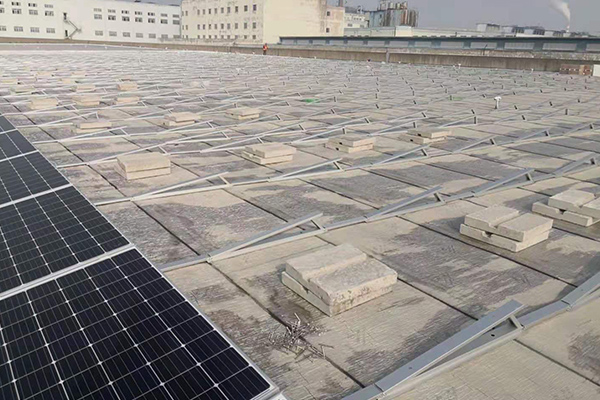
    At the core of flat roof solar mounting systems are durable, lightweight components designed for easy installation and long-term reliability. Most systems feature aluminum or galvanized steel frames—materials chosen for their corrosion resistance and strength-to-weight ratio, ensuring compatibility with various roof types (including concrete, TPO, EPDM, and PVC). The mounting structure typically includes adjustable rails, clamps, and ballast or penetration-based fixings. Ballast systems, which use weights like concrete blocks to secure the array without drilling into the roof, are popular for preserving waterproofing, while penetration mounts offer enhanced stability for high-wind areas.

    One key benefit of flat roof systems is their adaptability in panel orientation and tilt angle. Unlike sloped roofs, which are limited by the roof’s pitch, flat roof setups allow installers to optimize the tilt (usually 10–30 degrees) to maximize sunlight exposure, boosting energy production. This flexibility also enables strategic spacing between panels, improving airflow for heat dissipation and simplifying maintenance access. Additionally, flat roofs often provide unobstructed sunlight, free from shading by eaves or nearby structures, further enhancing efficiency.

    Practical considerations for installation include roof load capacity, waterproofing, and local regulations. Prior to installation, a structural assessment is critical to ensure the roof can support the weight of the mounting system, solar panels, and ballast. Waterproofing membranes must be inspected and protected—many systems include rubberized gaskets or flashings to prevent leaks. Compliance with building codes and zoning laws, including setback requirements and height restrictions, is also essential to avoid delays.

    For businesses and homeowners alike, flat roof solar mounting systems offer a cost-effective path to energy independence. They maximize unused space, reduce electricity bills, and contribute to carbon reduction goals. With advancements in materials and design—such as modular components and low-profile frames—these systems continue to become more accessible and efficient, solidifying their role in the future of solar energy adoption.

    flat-roof-solar-mounting-systems