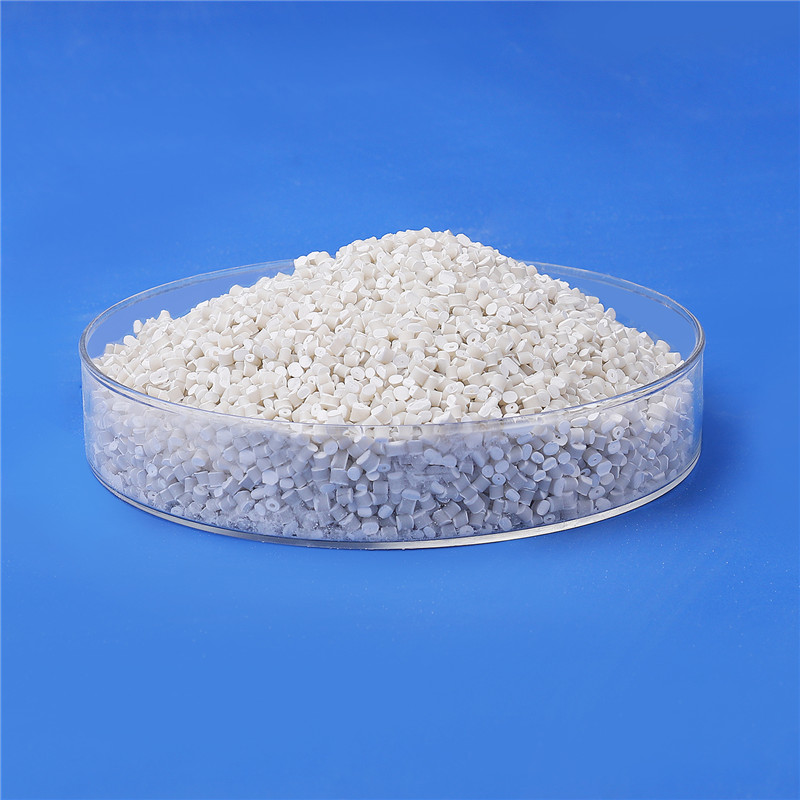
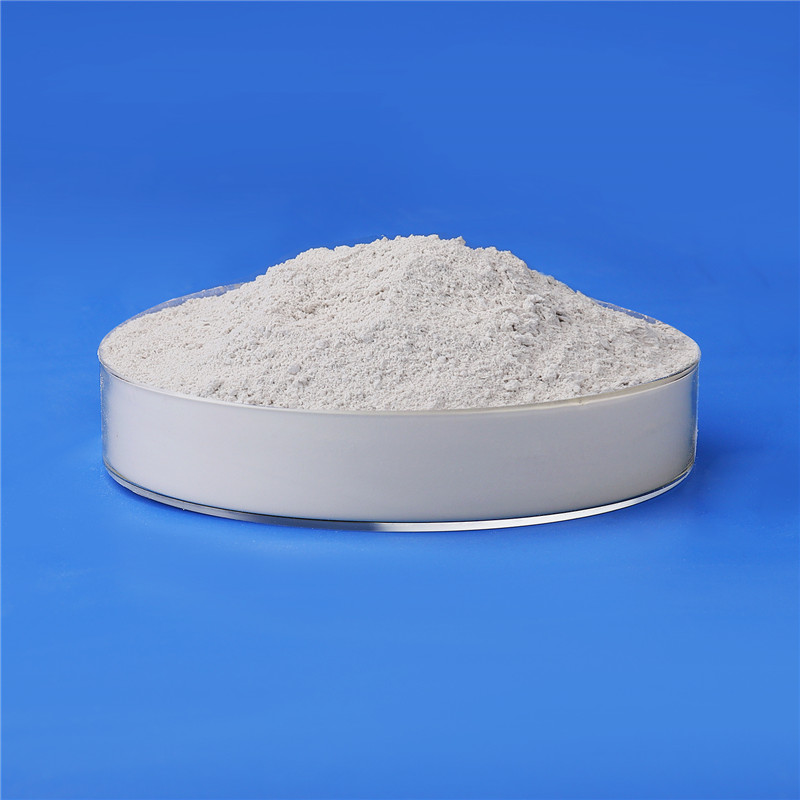
Fast-dissolving surfactant powder is a high-efficiency functional chemical material widely used in daily chemicals, industrial cleaning, textile processing and environmental protection industries. Different from traditional surfactant products with slow dissolution and easy agglomeration, this powdered formula features rapid water solubility, which can fully disperse and dissolve in normal-temperature water without stirring assistance, greatly simplifying the production and application process.
The core advantage of the product lies in its optimized molecular structure and ultra-fine powder technology. It effectively reduces the surface tension of water, delivering excellent emulsification, decontamination, wetting and dispersion capabilities. It avoids common problems such as residual agglomerates and uneven concentration caused by incomplete dissolution of traditional surfactants, ensuring stable and consistent working performance in various scenarios.
In terms of application, it serves as a core raw material for personal care products like mild detergents and shampoo, providing gentle cleansing with low skin irritation. In industrial fields, it is widely adopted in heavy-duty cleaning agents, textile dyeing and pesticide auxiliary formulations to improve product uniformity and service efficiency. Moreover, most fast-dissolving surfactant powders feature high biodegradability, conforming to modern environmental protection and green production standards.
With simple storage, convenient transportation and low comprehensive usage cost, fast-dissolving surfactant powder has gradually replaced traditional liquid and coarse powder surfactants. It becomes an ideal eco-friendly auxiliary material for enterprises to optimize production processes, improve product quality and achieve sustainable development.
Sustainable manufacturing isn’t just about the product—it’s about the entire lifecycle. K&G Machinery’s Camlock couplings support your Environmental, Social, and Governance (ESG) objectives. Durability: Our couplings last for decades, not years, reducing the frequency of manufacturing new products and the associated carbon footprint. Repairability: Unlike disposable products, a K&G coupling is designed to be repaired. Replacing a worn O-ring or cam arm extends the product’s life indefinitely, minimizing waste to landfill. Material Choices: We offer couplings made from recycled aluminum and stainless steel. Our packaging is increasingly shifting to recycled and recyclable materials. Efficiency: By minimizing leaks and pressure drop, our couplings reduce fluid and energy waste in your operations. Choosing K&G is an investment in a product philosophy that values longevity and resource conservation.
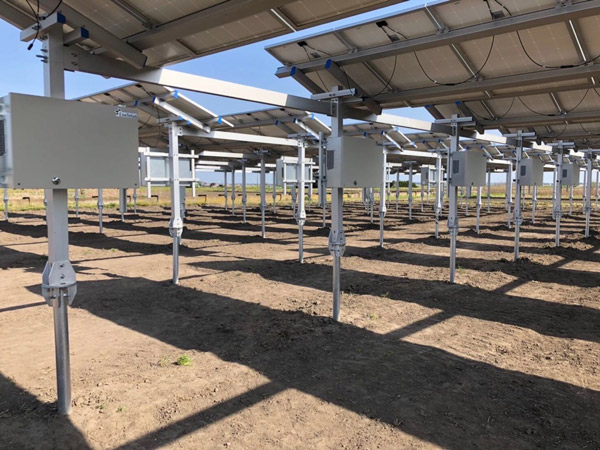
Modern farming faces dual challenges: rising energy costs and limited arable land. Our premium agricultural solar mounting systems deliver a perfect agrivoltaic solution, letting farms harvest both crops and clean solar power at the same time, maximizing land value without compromise.
Designed specifically for farm scenarios, these sturdy, height-adjustable mounting structures fit diverse farmlands, from crop fields and orchards to livestock farms. The elevated design reserves ample space for daily farming operations, including planting, harvesting, and mechanical work. Strategically placed solar panels provide gentle shading for crops, reducing soil water evaporation by nearly 20% and shielding plants and livestock from extreme heat, frost, and hail damage. This stable growing environment effectively improves crop yield and livestock comfort.
Built with high-strength, corrosion-resistant materials, our mounting systems withstand harsh outdoor weather, ensuring long-term stable operation with minimal maintenance. The self-generated solar energy fully powers farm irrigation systems, greenhouses, and processing equipment, drastically cutting grid electricity expenses and lowering annual operational costs.
More than a power solution, it creates a dual-revenue model combining agricultural production and solar power generation. Ideal for small family farms and large commercial agricultural bases, this sustainable upgrade helps farmers reduce carbon footprints, qualify for green energy incentives, and build a profitable, eco-friendly farm future.
As electric vehicles and energy storage systems continue to expand worldwide, efficient battery thermal management has become essential for safety, performance, and service life. Choosing an experienced battery cold plate manufacturer can significantly improve the reliability of battery packs while reducing overall system costs.
With more than 18 years of manufacturing experience, Trumony Aluminum Limited provides customized liquid cooling solutions for EV batteries, commercial energy storage systems(ESS), industrial equipment, and portable power applications. We combine engineering expertise, advanced manufacturing, and flexible production to support customers from prototype development to mass production.
18 Years of Manufacturing Experience
Founded in 2006, Trumony operates a modern 100,000 m² manufacturing facility equipped with automated stamping, vacuum brazing, friction stir welding (FSW), CNC machining, and comprehensive inspection systems. Certified to IATF 16949 and ISO 9001, we maintain automotive-level quality standards throughout the production process.
Our experienced thermal engineering team provides complete technical support, including:
· Thermal simulation
· Cooling channel optimization
· DFM (Design for Manufacturing)
· Rapid prototype development
· Engineering validation
Depending on project complexity, prototypes can typically be completed within 3–5 weeks, helping customers accelerate product development.
Comprehensive Battery Cold Plate Solutions
Unlike manufacturers that specialize in only one production process, Trumony offers multiple cold plate technologies to meet different battery designs and performance requirements, including:
· Stamped brazed cold plates
· Roll-bond cold plates
· Serpentine tube cooling plates
· Friction stir welded cold plates
Our products are compatible with prismatic, cylindrical, and pouch battery cells, serving applications such as:
· Electric vehicles (EV)
· Commercial vehicles
· Battery Energy Storage Systems (BESS)
· Industrial batteries
· Portable energy storage systems
This broad manufacturing capability allows customers to select the most suitable solution based on thermal performance, cost, and production volume.
Custom OEM & ODM Manufacturing
Every battery pack has unique cooling requirements. Trumony provides complete OEM and ODM services, allowing customers to customize:
· Cold plate dimensions
· Internal coolant flow channels
· Inlet and outlet connections
· Surface insulation coatings
· Material thickness
· Mounting structures
Whether you require a small prototype batch or high-volume production, our flexible manufacturing system supports projects at every development stage.
Designed for Reliable Thermal Performance
Our cold plates are primarily manufactured from high-quality 3003 aluminum alloy, offering excellent thermal conductivity, lightweight construction, and corrosion resistance.
Optimized coolant channel designs help improve temperature uniformity across battery cells, reducing temperature differences by 30–50% under appropriate operating conditions. More consistent cooling contributes to improved battery performance, enhanced safety, and longer service life.
Each product undergoes rigorous testing before shipment, including pressure testing, helium leak testing (when required), dimensional inspection, and quality verification to ensure consistent performance.
Stable Production Capacity for Global Supply
Trumony maintains an annual production capacity of approximately 600,000 battery cold plates, supported by mature supply chain management and efficient international logistics.
Our products are exported to customers across:
· Europe
· North America
· Southeast Asia
· The Middle East
· Australia
We work closely with battery manufacturers, EV suppliers, and energy storage system integrators worldwide, providing responsive technical support throughout the product lifecycle.
Why Choose Trumony Aluminum Limited?
Choosing the right thermal management partner is about more than purchasing a component. It means working with a manufacturer capable of supporting your product from concept to mass production.
Key advantages include:
· 18+ years of aluminum thermal management experience
· Automotive-certified manufacturing system
· Multiple cold plate manufacturing technologies
· OEM & ODM customization
· Rapid prototyping within 3–5 weeks
· Stable annual production capacity of 600,000 units
· Professional thermal engineering support
· Global export experience and responsive after-sales service
Partner with Trumony
As battery technologies continue to evolve, efficient liquid cooling solutions will remain critical to system performance and safety. Trumony Aluminum Limited is committed to helping global customers develop reliable, high-performance battery cooling solutions through advanced engineering, strict quality control, and flexible manufacturing.
Whether you are developing a new EV battery pack, an energy storage system, or another liquid-cooled application, our engineering team is ready to support your project from design to production. Contact Trumony today to discuss your custom battery cold plate requirements.
As a professional industrial surfactant manufacturer with over 20 years of chemical R&D and production experience, NINGBO JIAHE NEW MATERIALS TECHNOLOGY CO.,LTD focuses on plant-based surfactant raw materials, delivering eco-friendly, high-purity surfactant powder solutions to manufacturers across the world. Strategically located in Ningbo with convenient port logistics, the company runs automated production lines adopting German vacuum airflow crushing technology, achieving a stable monthly output of 30,000 tons to meet large-scale bulk export demandsNingbo Jiahe.
All Jiahe industrial surfactants are refined from natural vegetable oils, boasting outstanding biodegradability, low impurity content, high whiteness and uniform particle size. Unlike traditional soap-based surfactants prone to caking, Jiahe’s powder features excellent fluidity and anti-humidity performance, with total fatty matter above 80% to secure stable wetting, emulsifying and lubricating effects Ningno Jiahe. The product portfolio covers multi-scenario applications: raw materials for laundry detergents and daily cleaners, release agents for rubber and plastic processing, lubricating powder for metal wire drawing, and foaming additives for cement manufacturing, covering daily chemical, rubber, metal processing and construction industries Ningbo Jiahe.
The factory holds ISO9001 and ISO16949 quality certifications, implementing strict multi-stage testing from raw material inspection to finished-product physicochemical index verification before shipment, effectively controlling defect rates for long-term overseas cooperation Ningbo Jiahe. Jiahe provides flexible OEM and ODM services, supporting customized active ingredient content, private labeling and packaging solutions including standard 25kg kraft bags. Flexible MOQ rules satisfy both small-batch sample trials and massive wholesale orders for global distributors, hardware factories and detergent brands.
Committed to green chemical manufacturing, NINGBO JIAHE NEW MATERIALS TECHNOLOGY CO.,LTD balances cost efficiency and environmental compliance. With mature production capacity, professional technical support and reliable global delivery, it has become a trusted one-stop industrial surfactant supplier helping partners optimize formulation performance and lower overall production costs worldwide.
Jiangyin Centersky Electrical Launches 2026 “Safety Production Month” Campaign
Strengthening Safety Through Practical Actions and Promoting a Culture Where Everyone Values Safety and Emergency Preparedness
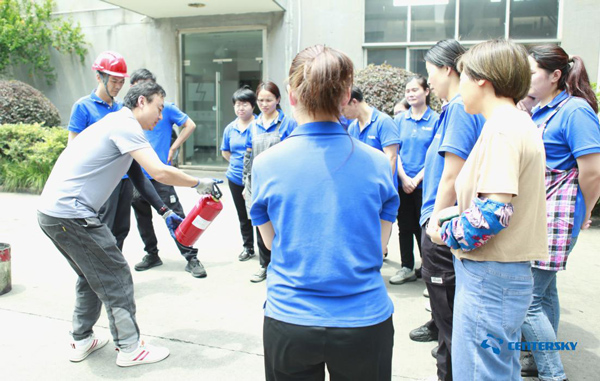
June 2026 marks China’s 25th National Safety Production Month. This year’s theme, “Everyone Values Safety, Everyone Is Prepared for Emergencies – Identifying and Eliminating Potential Risks and Hazards,” highlights the importance of proactive risk management and emergency preparedness.
In accordance with the national campaign jointly organized by the State Council Work Safety Committee and the Ministry of Emergency Management, industries across the country are promoting safety awareness, strengthening hazard prevention measures, and enhancing emergency response capabilities.
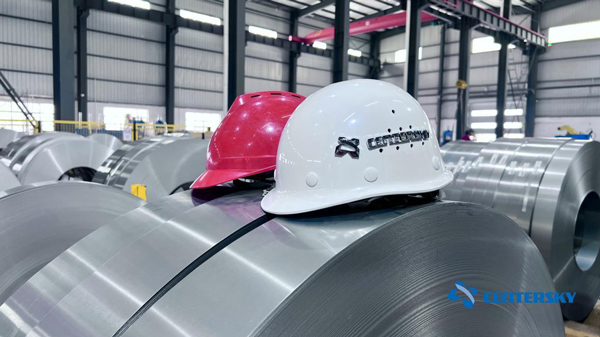
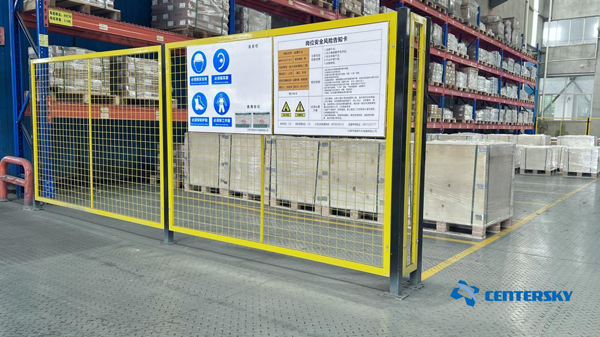
As a leading provider of green energy system solutions and a manufacturer with over 52 years of expertise in electrical silicon steel laminations, Jiangyin Centersky Electrical Appliance Co., Ltd officially launched its 30-day Safety Production Month program on June 1. The initiative integrates safety management throughout the entire value chain, including research and development, manufacturing, warehousing, logistics, and administration.
By combining reliable infrastructure, robust management systems, and company-wide participation, Centersky Electrical continues to strengthen the foundation for sustainable and high-quality development.
Turning Safety Requirements into Everyday Practice
At Centersky Electric, safety management is guided by a simple principle: no formalities, no shortcuts, and no unnecessary burdens.
National safety requirements are translated into practical, measurable, and sustainable management practices. Safety awareness is embedded into job responsibilities, operational procedures, and daily decision-making, ensuring that every employee understands and fulfills their role in maintaining a safe workplace.
A strong safety culture begins with recognizing risks before they become incidents. Led by the Safety Supervisor, cross-functional teams including department managers and equipment engineers conduct weekly inspections throughout the facility. Any identified issue is documented, assigned corrective actions, and tracked to completion within a specified timeframe.
During a recent inspection, a potential risk involving delayed clutch response on a high-speed stamping press was identified. Immediate actions were taken, including equipment shutdown, technical inspection, issuance of a corrective action notice, and preventive replacement of critical spare parts.
At Centersky Electrical, potential hazards are addressed without delay. Treating abnormalities as early warning signals and taking preventive action before incidents occur has become a core management philosophy and an essential pillar of the company’s safety culture.
Safety: The Most Valuable Investment
Safety is never a cost—it is one of the most valuable investments an enterprise can make. Prevention is always more effective than remediation, and every improvement begins with action.
Building on more than five decades of expertise in electrical silicon steel lamination solutions and its commitment to integrated green energy technologies encompassing generation, storage, and energy management, Centersky Electric incorporates the same principles of reliability, resilience, and sustainability into every aspect of safety management.
When safety becomes more than words on paper—when every employee values safety and possesses the skills to respond effectively to emergencies—risk prevention becomes part of the company’s culture and daily operations. Only then can the path toward a sustainable energy future remain steady and enduring.
Jiangyin Centersky Electrical Appliance Co., Ltd 52 Years of Expertise in Electrical Silicon Steel Lamination Solutions
OEM natural soap powder has emerged as a popular and practical laundry product in the global cleaning market, favored by brands and consumers for its natural formula, powerful cleaning performance and outstanding safety. Different from traditional chemical detergents, it adopts renewable plant-based raw materials as the core ingredients, free from fluorescent agents, synthetic pigments and harsh chemical additives, achieving a perfect balance of high efficiency and mildness.
This natural soap powder features excellent stain removal capability. With natural active enzymes and plant surfactant compounds, it can effectively decompose and remove daily stubborn stains such as oil stains, dust and sweat marks on clothes. It creates low foam during washing, which is easy to rinse off, saving water and time while leaving no chemical residues on fabric. After washing, clothes remain soft and fluffy with a fresh, natural and long-lasting fragrance, without damaging fabric fibers or fading clothes colors.
Safety and environmental friendliness are its core advantages. The mild formula causes no irritation to human skin, making it especially suitable for washing infants’ clothes, intimate apparel and garments for sensitive skin groups. In addition, all ingredients are biodegradable, which will not cause pollution to water and soil after use, fully complying with global environmental protection standards.
Professional OEM customization service further enhances its market competitiveness. Manufacturers can flexibly adjust formulas, fragrances, packaging specifications and brand logos according to clients’ demands. Tailored for supermarket retail, daily wholesale and cross-border trade, this versatile, safe and eco-friendly natural soap powder is an ideal high-quality laundry product for global brands.
What can your smartphone’s camera do? Take photos, scan QR codes, host video calls—these are all common knowledge. But what if I told you that the device you hold in your hand every day could also double as a ready-to-use electronic tape measure? Would that open up a whole new world of possibilities for you?
This is exactly what apps like Distance Meter aim to achieve: transforming your phone into a measuring expert that fits right in your pocket.
How It Works: Aim, Shoot, Get Data
The underlying principle is surprisingly straightforward. By leveraging the built-in camera and motion sensors, Distance Meter calculates the distance between you and a target object, as well as the object’s height, simply by aiming at its base and its top.
The operation is incredibly intuitive:
● Measure Distance: Stand still, point your camera at the base of the target object (where it touches the ground), and tap the shutter.
● Measure Height: Aim at the top of the same object, and tap again.
The entire process feels as effortless as taking a photograph. It eliminates the need to carry a physical tape measure or a laser rangefinder—just pull out your phone, aim, and the data appears on your screen.
Beyond Distance: A Full-Featured Toolkit
In addition to core distance and height measurement, HOLO Distance Meter have integrated additional practical tools, effectively creating a compact “measurement toolbox”:
● Area Meter: Measures the surface area and border width of an object. After setting the approximate distance to your target, you can adjust the on-screen frame, and the app will calculate the corresponding area, height, and width data.
● Image Meter: This is an especially useful feature. You can take a photo that includes a reference object of known size, and later open that image to measure the dimensions of any other object within the picture.
With these features at hand, whether you’re checking furniture dimensions at home or estimating the height of a building outdoors, your smartphone can handle a wide range of measurement scenarios.
The Reality Check: How Reliable Is It Really?
The concept sounds promising, but the reality may require some tempering of expectations. Despite its innovative appeal, distance-measuring apps have received mixed user feedback, with several recurring issues worth noting:
1. Accuracy Limitations: Many users report noticeable measurement errors, making precision a legitimate concern. For scenarios that demand exact figures, these apps are better suited for providing rough estimates rather than authoritative data.
2. Stability and User Experience: Some users have encountered crashes, startup failures, and other technical glitches that significantly undermine the experience. Meanwhile, the heavy volume of ads in free versions has drawn criticism, with some even labeling them as “adware shells.”
3. Learning Curve: Certain apps require confusing initial setup steps—such as entering your device height—or unit conversion processes, which can frustrate casual users.
Final Thoughts: A Fun and Handy Pocket Tool
All things considered, Distance Meter represents a creative and inspiring direction for mobile utility apps—unlocking the untapped potential of smartphones for everyday life. While it may not yet replace professional surveying instruments, it offers tremendous convenience when you need a quick estimate and don’t have a proper measuring tool nearby.
It is, in essence, a practical and entertaining “pocket expert.” Just remember to approach its readings with a healthy dose of flexibility, as accuracy improvements will ultimately depend on continued advances in both hardware and software algorithms. For now, think of it as a smart assistant—not a precision instrument—and you’ll never be disappointed.
As battery energy storage systems (BESS) continue to scale in capacity and power density, effective thermal management has become essential for ensuring battery safety, performance, and service life. The52S liquid cooling plate is specifically designed for 52-series battery modules, providing efficient and reliable liquid cooling for commercial and industrial energy storage applications.
Manufactured from high-quality aluminum alloy, the 52S cooling plate offers excellent thermal conductivity, corrosion resistance, and long-term durability. Its optimized internal flow channel design enables efficient heat transfer while promoting uniform coolant distribution across the battery module. By maintaining consistent cell temperatures, the cooling plate helps minimize temperature gradients, reduce thermal stress, and improve overall battery performance.
Designed for seamless integration with standardized 52S battery modules, the cooling plate features a compact structure and flexible interface configuration, making installation straightforward for various battery pack designs. Precision manufacturing processes ensure excellent dimensional accuracy, reliable sealing performance, and stable operation under continuous liquid cooling conditions.
The 52S liquid cooling plate is manufactured using stamping and brazing technology, providing high structural strength, excellent leak resistance, and consistent thermal performance. Every product undergoes rigorous pressure, leakage, and quality inspections before delivery to ensure dependable operation in demanding energy storage environments.
Key Features
· High-efficiency liquid cooling for 52S battery modules
· Excellent thermal conductivity with optimized coolant flow channels
· Lightweight aluminum construction with superior corrosion resistance
· Stamped and brazed structure for high reliability and long service life
· Uniform temperature distribution to improve battery consistency
· Compatible with glycol-water cooling systems
· Customizable inlet/outlet positions and connection interfaces
· Suitable for high-volume manufacturing with stable product quality
Typical Applications
The 52S liquid cooling plate is widely used in:
· Commercial and industrial Battery Energy Storage Systems (BESS)
· Renewable energy storage systems
· Solar and wind energy storage projects
· Grid-scale energy storage containers
· Microgrid and backup power systems
· High-voltage lithium battery packs
By effectively removing heat generated during battery charge and discharge cycles, the 52S liquid cooling plate helps maintain optimal operating temperatures, improve battery efficiency, extend service life, and enhance the overall safety and reliability of modern energy storage systems.
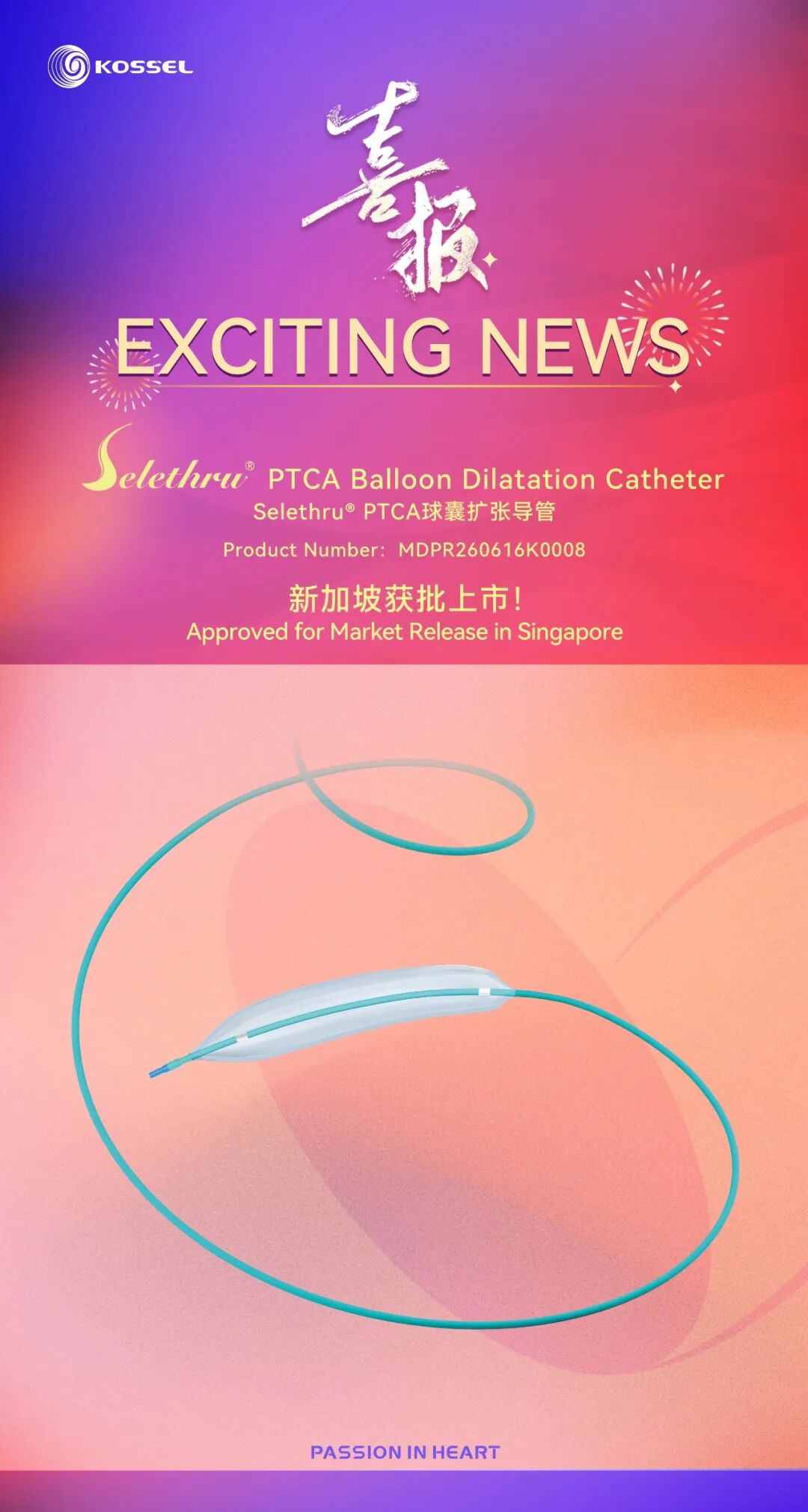
Recently, Selethru® PTCA Balloon Dilatation Catheter, independently developed by Kossel Medtech, has obtained official marketing approval from Singapore’s Health Sciences Authority (HSA). This milestone further optimizes the Company’s strategic layout across Southeast Asia and accelerates its global expansion drive.
As a hub for medical innovation in Southeast Asia, Singapore boasts world-leading medical regulatory frameworks and stringent market access criteria. The approval stands as high recognition by HSA of Selethru® PTCA Balloon Dilatation Catheter in terms of its safety, clinical efficacy and quality control system. It also diversifies the range of coronary interventional devices available in Singapore and the broader Southeast Asian region, bringing clinical benefits to local patients.
To date, Selethru® PTCA Balloon Dilatation Catheter has achieved large-scale commercialization across Asia, the Middle East, South America and North America. It has obtained multiple authoritative international certifications, including EU MDR, US FDA clearance, South Korea KFDA approval and India CDSCO certification, with its presence covering major medical device markets worldwide.
The successful Singapore registration marks another vital breakthrough in Kossel Metech globalization strategy. Moving forward, the Company will continue to deepen its expertise in panvascular intervention, uphold technological innovation and rigorous quality refinement, and steadily advance its global market deployment. We aim to bring domestically developed innovative medical devices to the world, deliver care to patients globally, and contribute Chinese expertise to the diagnosis and treatment of panvascular diseases worldwide.