Find Hot

Enterprise hot news

Blog

  • Market Research and Development Trends of Oriented Silicon Steel Industry

    Market Research and Development Trends of Oriented Silicon Steel Industry

    Analysis and Forecast of Downstream Sub-market Applications in the Grain-Oriented Silicon Steel Industry
    China’s steel industry has entered a stage of fierce competition for existing market share. In 2023, crude steel production reached 1.005 billion tons, and steel product output reached 1.4 billion tons, representing a year-on-year increase of 1.1%. Driven by technological and industrial revolutions, the steel industry is accelerating structural upgrading and developing towards mid-to-high-end products. On the consumption side, demand for construction steel has declined, while demand for high-quality special steels such as medium and heavy plates, automotive steel sheets, and silicon steel has increased. High-end steel will become the main focus of future development, and grain-oriented silicon steel is expected to become a key development area for the steel industry.
    Analysis of the supply situation of my country’s grain-oriented silicon steel industry
    Silicon steel is an indispensable soft magnetic alloy material for national industry, agriculture, transportation, national defense, and people’s daily lives. It is the cornerstone of the green, low-carbon, and efficient development of the power industry and a key material for upgrading various electrical products. It is widely used in industrial motors, home appliances, new energy vehicles, transformers, and other fields.
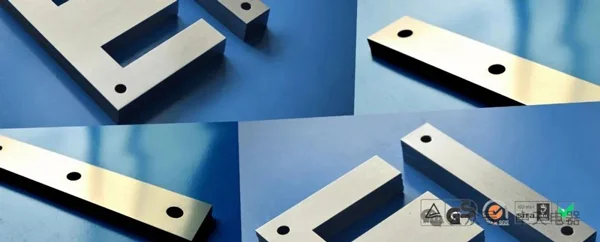
    Gross-oriented silicon steel, due to its high magnetic permeability, low coercivity, and high resistivity, is widely used in various types of transformers, including main transformers, distribution transformers, and dry-type transformers, primarily in the transformer (core) manufacturing industry. The manufacturing technology of oriented silicon steel is highly complex and has a narrow process window. Especially for high-grade, high-magnetic-induction oriented silicon steel, the technological barriers are extremely high, representing the highest level of steel manufacturing and being hailed as the “crown jewel” of steel products.
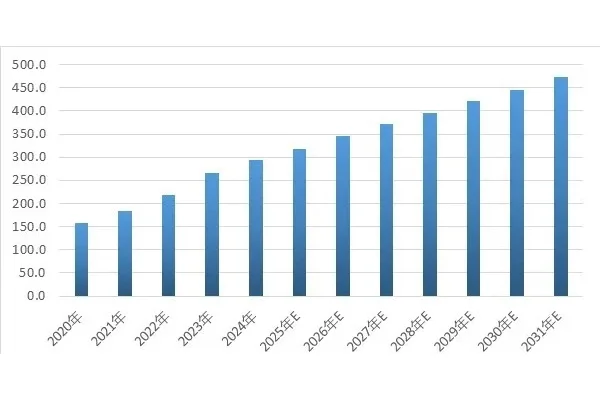
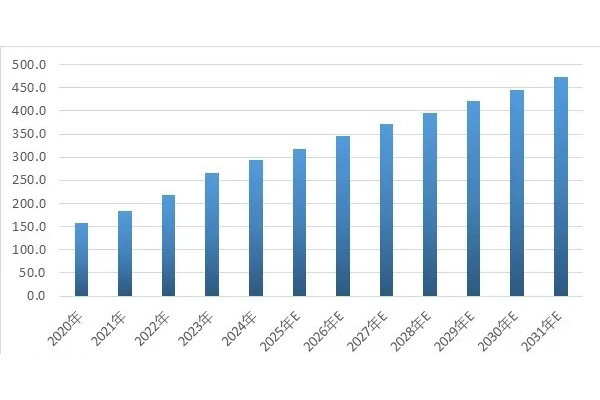
    With the promotion and implementation of the national “dual-carbon” strategy and the continuous progress of electrification and intelligentization in society, the international and domestic markets for medium- and high-grade non-oriented silicon steel and high-magnetic-induction oriented silicon steel have shown a long-term stable growth trend. In recent years, my country’s grain-oriented silicon steel production has continued to grow, reaching 2.6502 million tons in 2023, accounting for 17.35% of total silicon steel production. Among them, high magnetic induction grain-oriented silicon steel (HiB) accounted for 59% of the production, while general grain-oriented silicon steel (CGO) accounted for 41%.

    Analysis and Forecast of my country’s Grain-Oriented Silicon Steel
    Production from 2020 to 2031
    Silicon-Steel-Industry
    In 2025, China is expected to add 6 new grain-oriented silicon steel production lines, increasing capacity by 700,000 tons, mainly concentrated in North China and Central China.
    Analysis and Forecast of Downstream Sub-application Areas in the Oriented Silicon Steel Industry
    As a key raw material for transformers, reactors, instrument transformers, and other voltage regulation and transformation equipment, the development of grain-oriented silicon steel carries the green mission of energy conservation and emission reduction, and is one of the important supports for implementing the national “dual-carbon” strategy. With the support of national strategies and policies, high-quality grain-oriented silicon steel will have good development potential.

    (1) Conventional Transformers
    Driven by national energy policies, China’s smart grid construction has entered a new stage, and the intelligent transformation of distribution transformers is accelerating. The State Grid plans to transform 294,800 distribution transformers during the 14th Five-Year Plan period, and the Southern Power Grid has invested 187 billion yuan in rural power grid transformation and upgrading. Transformer power loss accounts for about 40% of the transmission and distribution process. In 2023, China’s transformer power loss was approximately 240 billion kWh, generating 236 million tons of CO2 emissions. Upgrading the grade of grain-oriented silicon steel will help upgrade transformer energy efficiency, reduce power loss, improve energy utilization efficiency, and contribute to carbon emission reduction.

    (2) Ultra-High Voltage Projects
    With the accelerated construction of wind and photovoltaic power generation bases, ultra-high voltage transmission has become a key solution to the problems of new energy grid connection and cross-regional power transmission. The State Grid Corporation of China plans to invest 380 billion yuan in ultra-high voltage (UHV) power transmission projects during the 14th Five-Year Plan period, with UHV equipment investment accounting for 25%, of which transformer equipment investment is close to 100 billion yuan. This will drive demand for supporting equipment and further increase consumption of grain-oriented silicon steel.

    (3) New Energy Power Generation
    It is estimated that by the end of the 14th Five-Year Plan period, wind power and photovoltaic installed capacity will reach 599 million kW and 763 million kW, respectively. By 2030, wind power and photovoltaic installed capacity will reach 800 million kW and 1.025 billion kW, respectively, and by 2050, they will reach 2.2 billion kW and 3.45 billion kW, respectively. New energy power generation requires a large number of transformers; a 1GW wind power or photovoltaic base requires 500 transformers. It is estimated that by 2025, the investment in the new energy transformer market will exceed 120 billion yuan, and by 2035, it will exceed 1 trillion yuan. With the future trend of a significant increase in wind power and photovoltaic installed capacity, transformers and upstream grain-oriented silicon steel will also experience explosive growth. In summary, transformers, as key equipment for power generation and transmission, are the most important downstream industry for grain-oriented silicon steel, with silicon steel costs accounting for approximately 30% to 40% of the production cost of a single transformer. With the implementation of ultra-high voltage projects across China, the transformer market is showing a growth trend, and the significant increase in power transformer production will drive the growth in demand for grain-oriented silicon steel.
  • Sanitary Camlock Couplings for Pharmaceutical & Bio-Processing

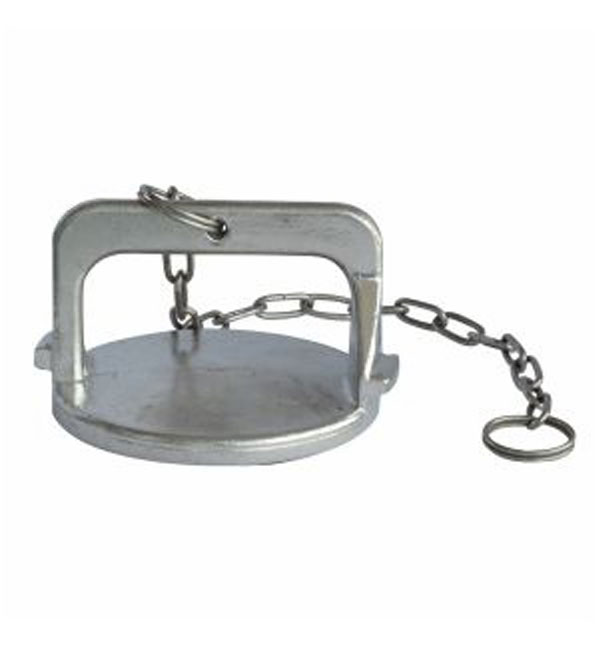
    In pharmaceutical and bioprocessing, contamination is not an option. K&G Machinery’s sanitary Camlock couplings are engineered to meet the highest standards of purity and cleanability. Our couplings feature electropolished 316L stainless steel surfaces with Ra ≤ 0.8 µm, preventing bacterial adhesion and enabling effective Clean-in-Place (CIP) and Sterilize-in-Place (SIP) procedures. All wetted materials comply with FDA 21 CFR and USP Class VI requirements. The seamless design eliminates dead legs where product or cleaning agents could accumulate. For aseptic processing or vaccine production, specify K&G’s proprietary “Tri-Clamp” compatible Camlock adapters to integrate seamlessly into your validated systems. We understand that downtime is costly, which is why our quick-connect design allows for rapid line changeovers while maintaining a sterile barrier.


  • Agricultural Solar Mounting Systems: Driving Sustainable Synergy Between Farming and Energy

    Agricultural Solar Mounting Systems: Driving Sustainable Synergy Between Farming and Energy

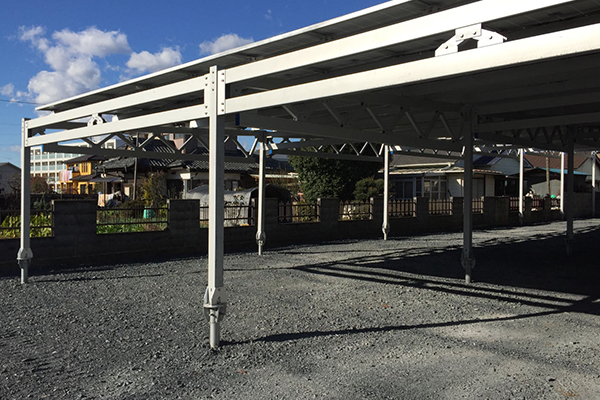
    Agricultural solar mounting systems are innovative structures designed to integrate solar panels into agricultural landscapes, enabling simultaneous food production and renewable energy generation—known as agrivoltaics. As the global demand for clean energy and efficient land use rises, these systems have emerged as a game-changing solution, bridging agriculture and sustainability while addressing land scarcity challenges.

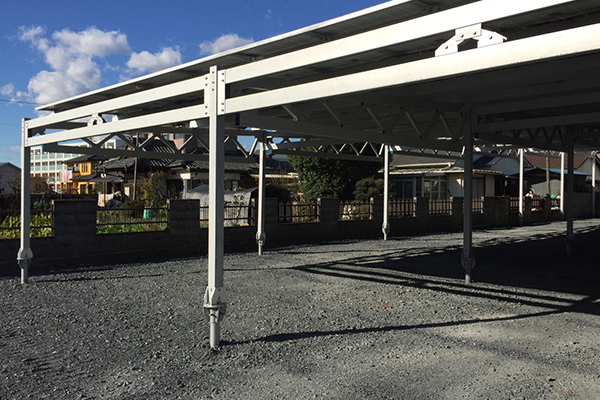
    These systems come in diverse designs tailored to agricultural needs. Ground-mounted fixed systems, the most common type, are installed with adjustable angles to optimize sunlight absorption without obstructing farm operations. Tracking systems, which follow the sun’s trajectory, boost energy output by 15-25% but suit larger farms. Agrivoltaic canopies, meanwhile, suspend panels above crops or livestock areas, providing shade that benefits heat-sensitive plants and reduces water evaporation, while protecting livestock from extreme weather.

    Key advantages lie in their dual-purpose functionality. Farmers gain additional income from solar energy sales while maintaining agricultural production, enhancing financial resilience. The systems also promote water conservation—shaded soil retains moisture, cutting irrigation needs by up to 40%. Moreover, they reduce carbon footprints by replacing fossil fuels, aligning with global climate goals, and their modular design allows scalability for smallholdings and large commercial farms alike.

    Constructed with durable, corrosion-resistant materials (e.g., aluminum, galvanized steel), these mounting systems withstand harsh agricultural environments, including heavy rainfall and strong winds. Modern models feature easy installation and low maintenance, minimizing disruption to farming activities. They also support crop diversity: shade-tolerant crops like lettuce, mushrooms, and herbs thrive under panels, while solar-powered irrigation systems further integrate energy and farming.

    Future developments will focus on smarter integration—combining IoT sensors for real-time monitoring of energy output and crop health, and compatibility with energy storage solutions to ensure stable power supply. As governments worldwide offer incentives for renewable energy adoption, agricultural solar mounting systems are set to play a pivotal role in sustainable agriculture. By uniting food security and clean energy production, they represent a win-win for farmers, the environment, and global energy transition.

    Agricultural-solar-mounting-systems

  • Effective Odor Removal in Rubber Processing: Key Strategies and Solutions

    Odor emission is a persistent challenge in rubber processing, stemming from volatile organic compounds (VOCs), sulfur-containing compounds, and residual monomers released during vulcanization, mixing, and molding. These odors not only endanger worker health by causing respiratory irritation but also violate environmental regulations and affect product marketability. Implementing targeted odor removal measures is therefore critical for sustainable rubber manufacturing.

    Raw material optimization serves as the first line of defense. Selecting low-odor polymers (e.g., EPDM instead of natural rubber for certain applications) and replacing high-volatile additives with eco-friendly alternatives reduces odor generation at the source. For instance, using non-volatile vulcanizing agents and low-odor plasticizers can cut VOC emissions by up to 30%, as reported in industry studies.

    Process improvement is equally essential. Controlling vulcanization temperature and time minimizes thermal degradation of rubber compounds, a major source of unpleasant odors. Installing closed-loop mixing systems and efficient ventilation hoods captures emissions at the point of release, preventing odor diffusion in workshops.

    End-of-pipe treatment technologies offer effective remediation for unavoidable emissions. Activated carbon adsorption systems are widely used for their high capacity to trap organic odorous molecules. For sulfur-containing odors, chemical scrubbers with alkaline solutions neutralize harmful compounds. Advanced technologies like photocatalytic oxidation (PCO) and plasma treatment break down VOCs into harmless water and carbon dioxide, providing long-term, low-maintenance solutions.

    Integrating these strategies—source reduction, process control, and end-treatment—ensures comprehensive odor management. Beyond compliance, effective odor removal enhances workplace safety, improves product quality, and strengthens brand reputation in an increasingly eco-conscious market. Rubber manufacturers must prioritize tailored odor control solutions to balance operational efficiency with environmental responsibility.

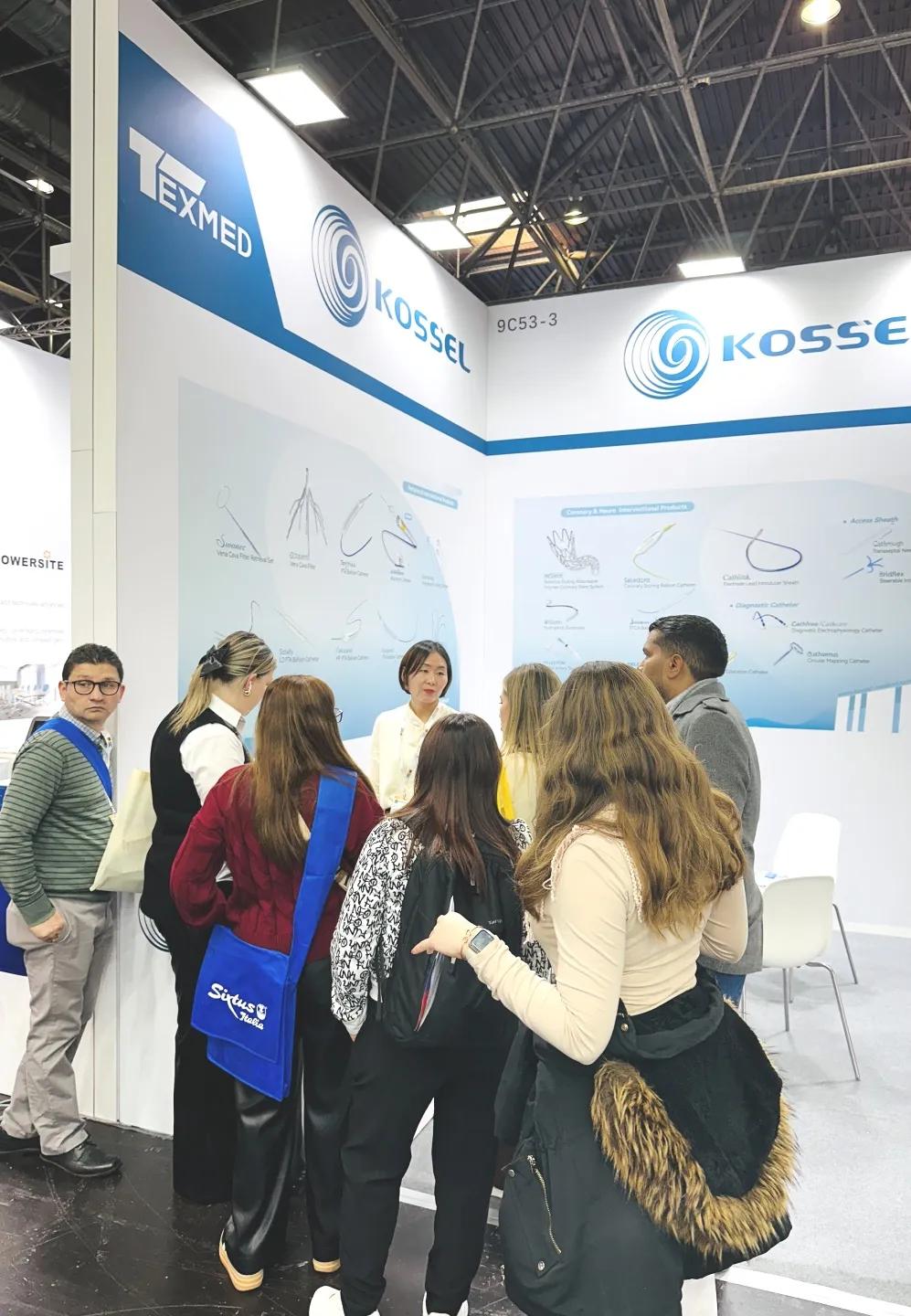
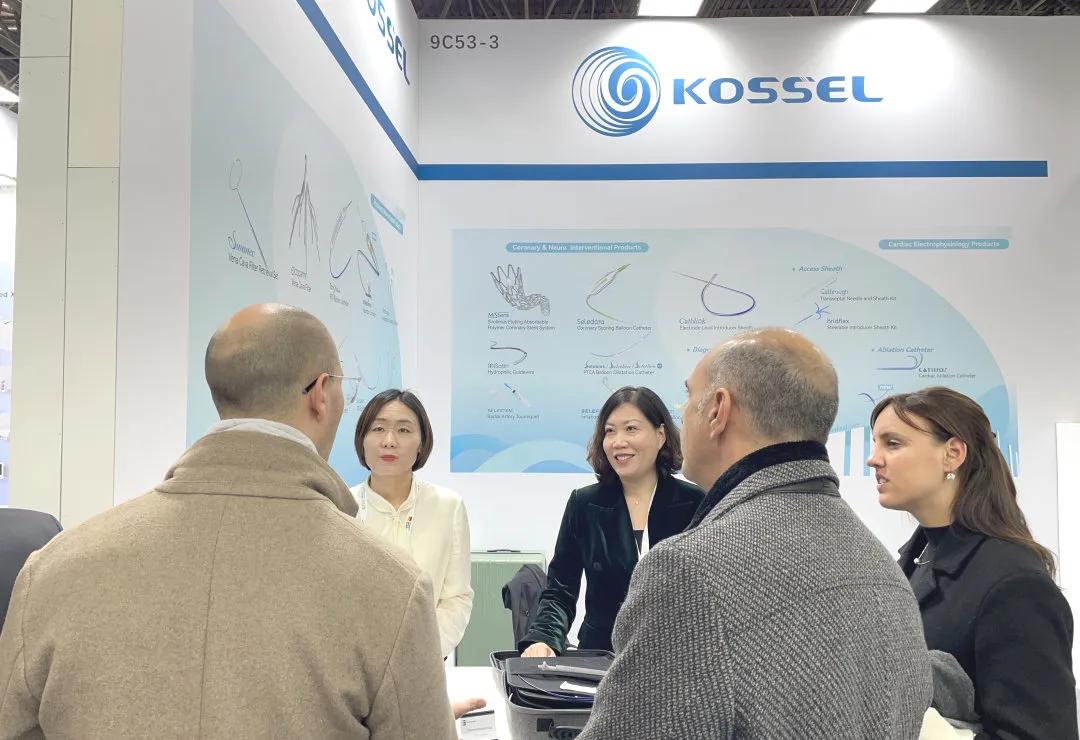
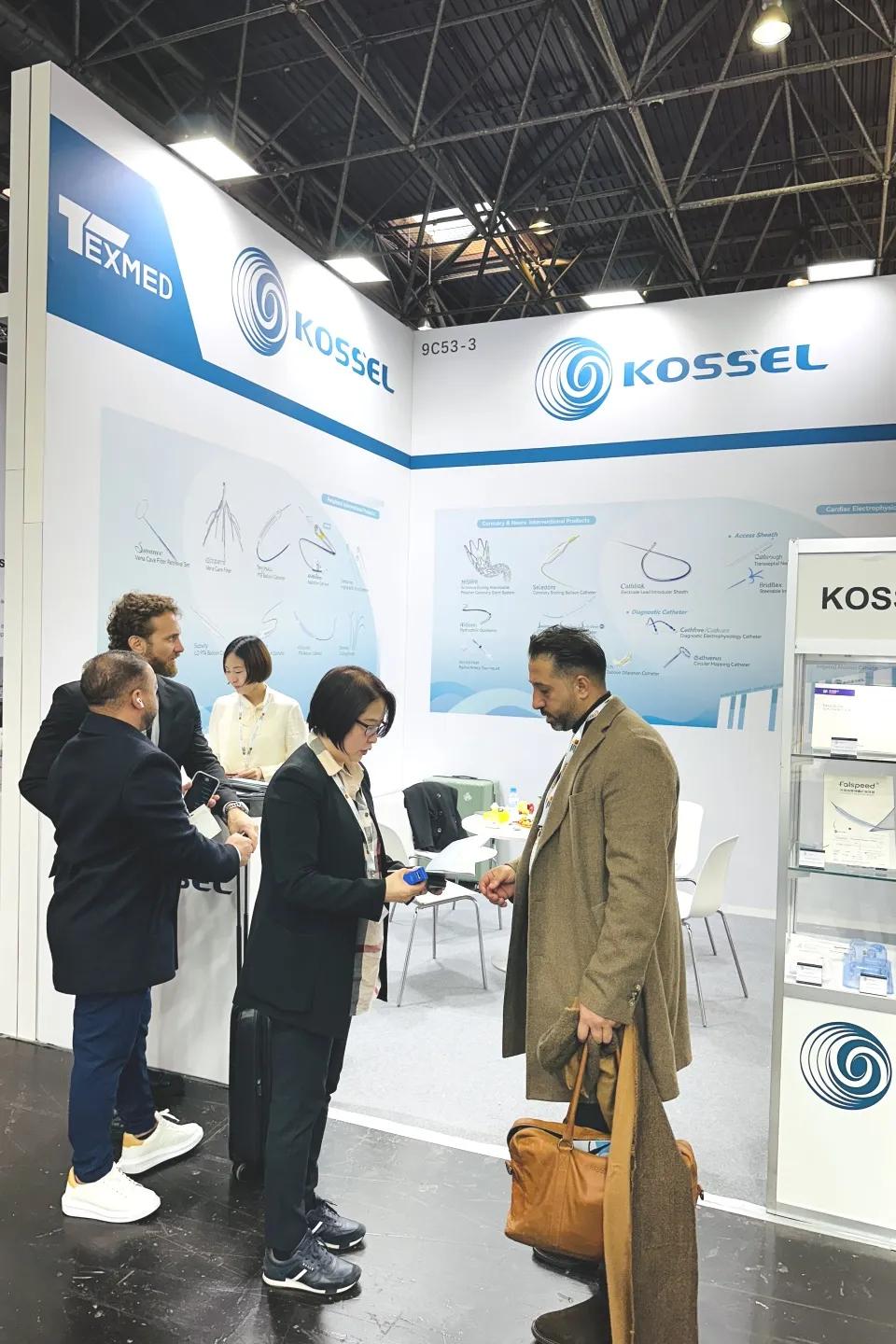
  • Igniting the Global Medical Stage! Kossel MEDICA 2025 Concludes Successfully!

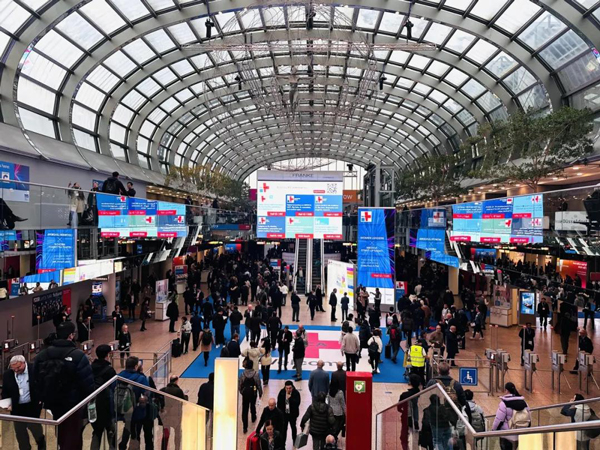
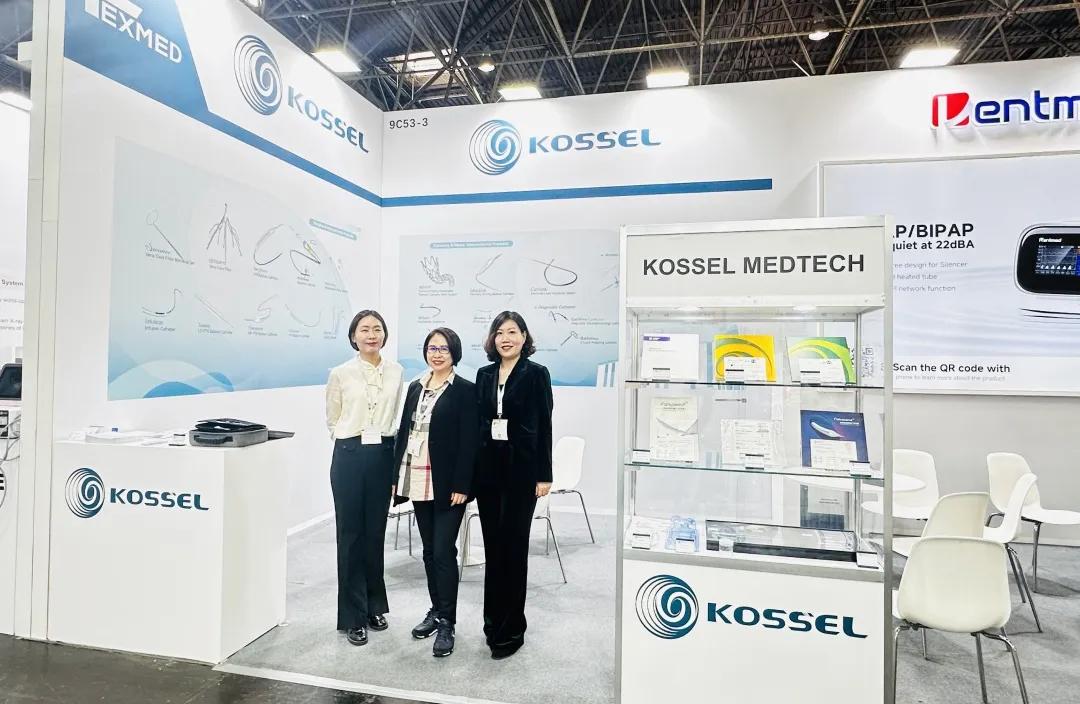
    From November 17th to 20th, MEDICA 2025, the world’s premier medical extravaganza, grandly took place in Düsseldorf, Germany.

    Amid this feast of ideas gathering global cutting-edge technology and medical wisdom, we outlined the future blueprint of the healthcare industry through frontier technologies, innovative products, and in-depth dialogues.

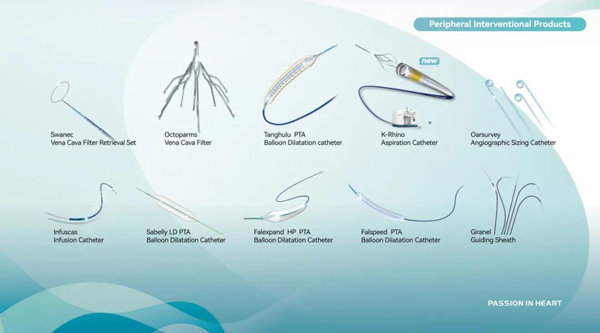
    Peripheral Vascular

    Chinese Solutions on the International Stage

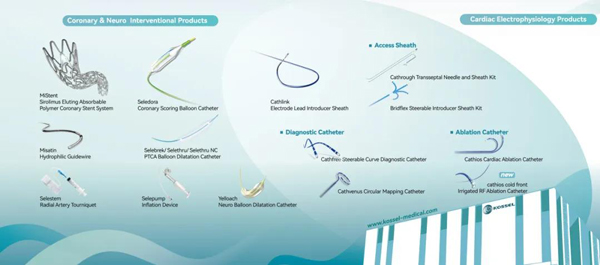
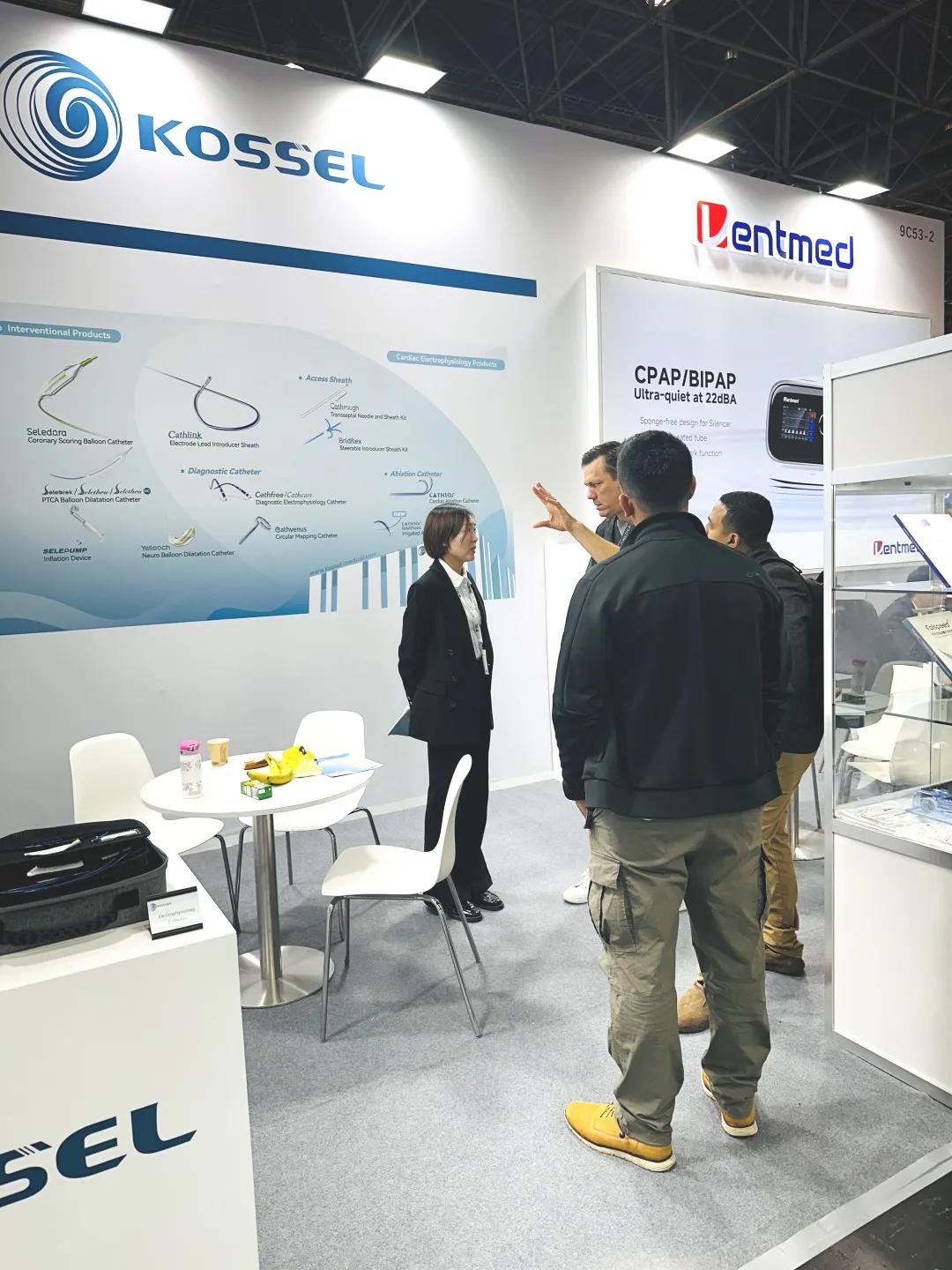
    Bringing its latest technological achievements and industry insights, Kossel explored cutting-edge trends with global partners. A number of innovative achievements and solutions across three major product lines—Peripheral Vascular, Coronary, and Electrophysiology—made a stunning debut, demonstrating the innovative vitality of Chinese medical enterprises on the global stage.

    Coronary

    Electrophysiology

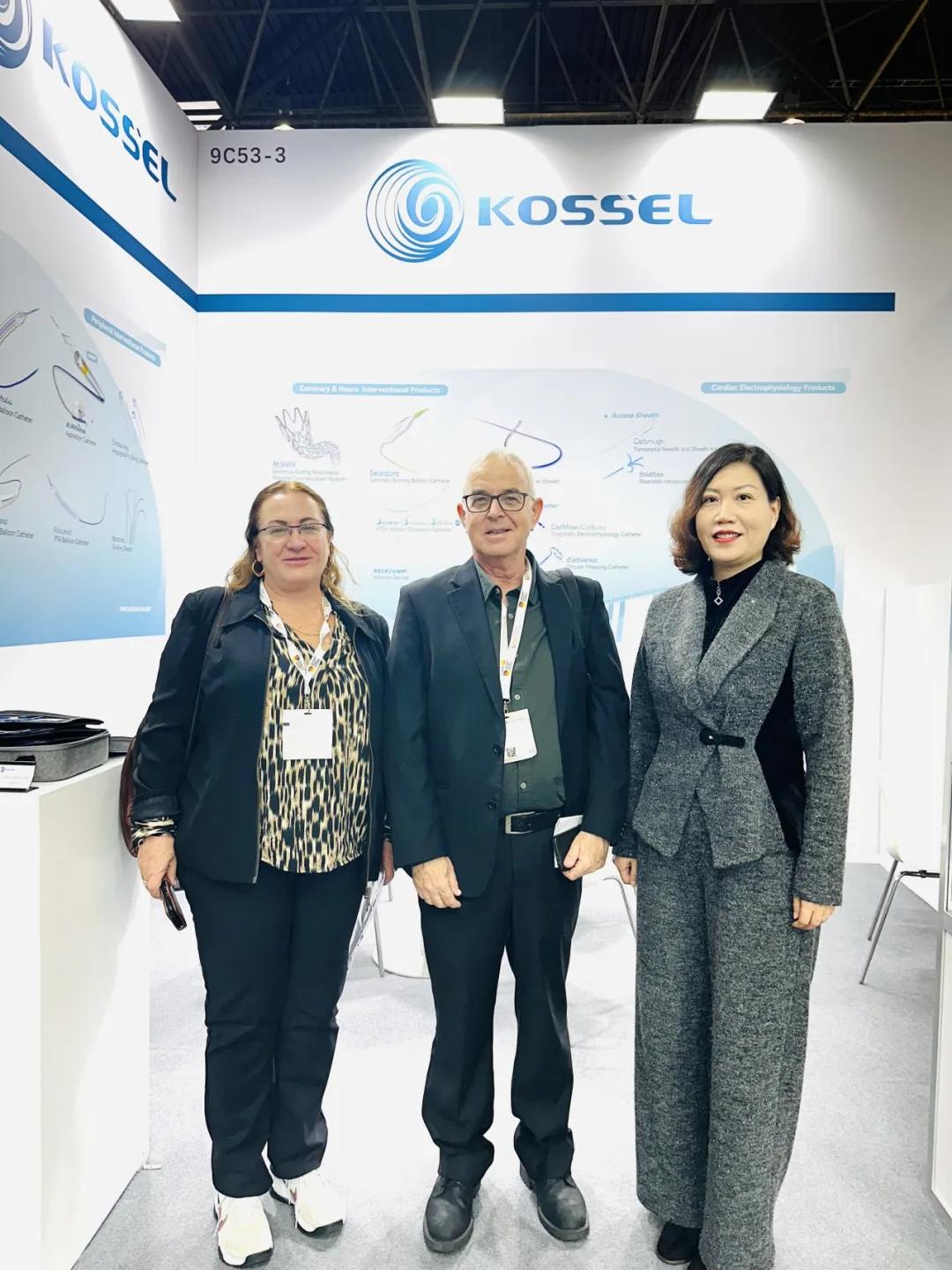
    During the exhibition, we conducted in-depth negotiations with agents and physician representatives from multiple countries in Europe, the Americas, Asia, and other regions. While discussing product features, we accurately aligned with registration requirements and clinical needs, laying a solid foundation for the deepening of future cooperation.

    Europe is Kossel’s key strategic market. The company successfully obtained MDR CE certification in May this year, removing critical barriers for product entry into the European market. In the future, we will continue to launch more high-quality products, continuously enhance brand influence and market share, and support the company’s long-term development in Europe.

    Every medical technology event marks the starting point of a new journey. We will embark on the next phase with the trust of global partners, persist in innovative R&D, advance the global market layout in parallel, focus deeply on the application needs in the pan-vascular intervention field, and provide more innovative and practical products and solutions for physicians and patients worldwide.

  • Top Flat Roof Solar Mounting Systems: What Makes the Best Choice?

    Top Flat Roof Solar Mounting Systems: What Makes the Best Choice?

    Flat roofs offer abundant space for solar installations, but the success of your project hinges on choosing the right mounting system. The best flat roof solar mounting systems blend durability, efficiency, and ease of installation—all while adapting to diverse roof types, weather conditions, and solar panel specs.

    The top-tier systems share core traits that set them apart. First is versatility: they accommodate various roof materials, from TPO and EPDM membranes to concrete and metal, without damaging the structure. Many use non-penetrating designs (weighted bases or ballast systems) to avoid roof leaks, a critical concern for flat roofs with minimal slope.

    Second is stability and durability. The best systems are engineered to withstand wind loads, snow accumulation, and UV exposure, using corrosion-resistant materials like aluminum or stainless steel. They also feature adjustable angles (typically 10–30 degrees) to maximize sunlight absorption, boosting solar efficiency by up to 20% compared to flat-mounted panels.

    Third is ease of installation and scalability. User-friendly designs with pre-assembled components cut down on labor time, while modular structures let you expand the system as energy needs grow. Compatibility with standard solar panels and inverters is another key factor, ensuring seamless integration with your overall setup.

    When selecting the best system, consider your roof’s weight capacity (ballast systems require sufficient load-bearing capability) and local climate (high-wind areas need reinforced anchoring). Opt for certified products (e.g., TÜV or UL listed) to guarantee safety and performance.

    Investing in the best flat roof solar mounting system isn’t just about immediate installation—it’s about long-term reliability and energy savings. These systems balance functionality and durability, turning underutilized flat roof space into a high-efficiency renewable energy source that pays off for years.

    Top-Flat-Roof-Solar-Mounting-Systems


  • Additive Masterbatch Deodorant: Revolutionizing Odor Control in Polymer Products

    Additive Masterbatch Deodorant: Revolutionizing Odor Control in Polymer Products

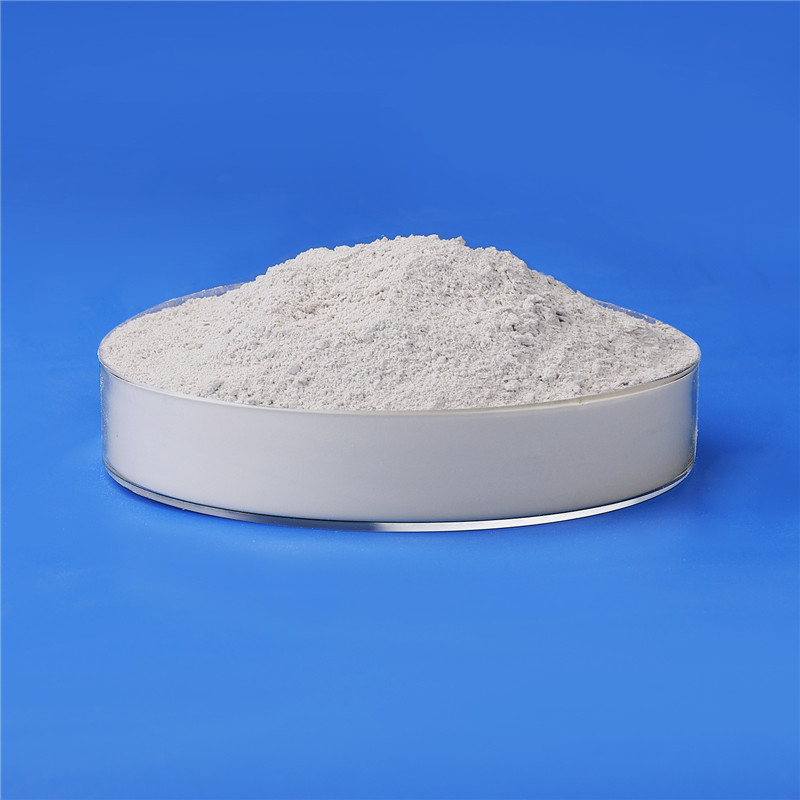
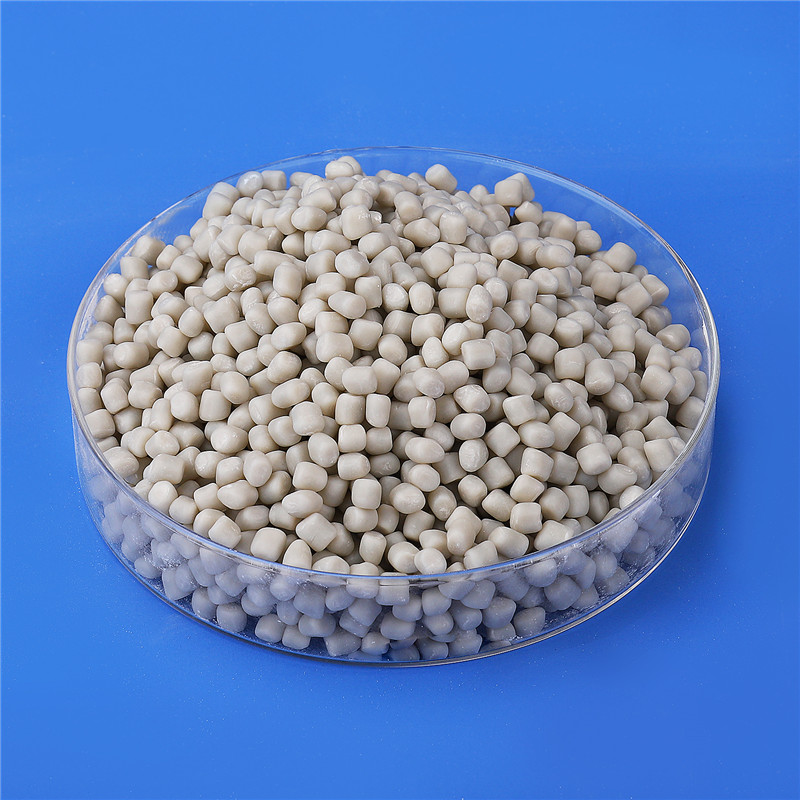
     Composed of carrier resins, effective deodorizing agents, and dispersing additives, this masterbatch integrates seamlessly into plastic processing, offering a practical solution to odor-related challenges across industries.​
    The applications of additive masterbatch deodorant are extensive. In the packaging sector, it is widely used in food containers, plastic bags, and beverage bottles, neutralizing odors from raw materials or storage environments to maintain product freshness. The automotive industry relies on it for interior components like seat cushions and door panels, eliminating volatile organic compound (VOC) emissions and enhancing in-car air quality. Additionally, it plays a crucial role in household items such as trash cans, cleaning tools, and bathroom accessories, where odor prevention is essential for user experience.​
    Its working mechanism combines physical adsorption and chemical neutralization. Porous materials like activated carbon or zeolite in the masterbatch adsorb odor molecules, while chemical agents such as oxidants or catalysts break down harmful or smelly compounds into non-odorous substances. This dual-action approach ensures long-lasting odor control without compromising the mechanical properties of the base polymer.​
    Compared to traditional odor-elimination methods, additive masterbatch deodorant offers distinct advantages. It simplifies production processes by enabling direct mixing with raw polymers during extrusion or injection molding, reducing operational costs. It is also environmentally friendly, as it avoids the use of harmful solvents and ensures compliance with global safety standards.​
    As consumer demand for odor-free and eco-friendly products grows, the market for additive masterbatch deodorant is expanding rapidly. Manufacturers are continuously developing high-efficiency formulas tailored to specific polymers and applications, driving innovation in this field. This functional masterbatch not only improves product quality but also contributes to a healthier and more comfortable living environment.
  • Vena Cava Filter Procedure (Series)

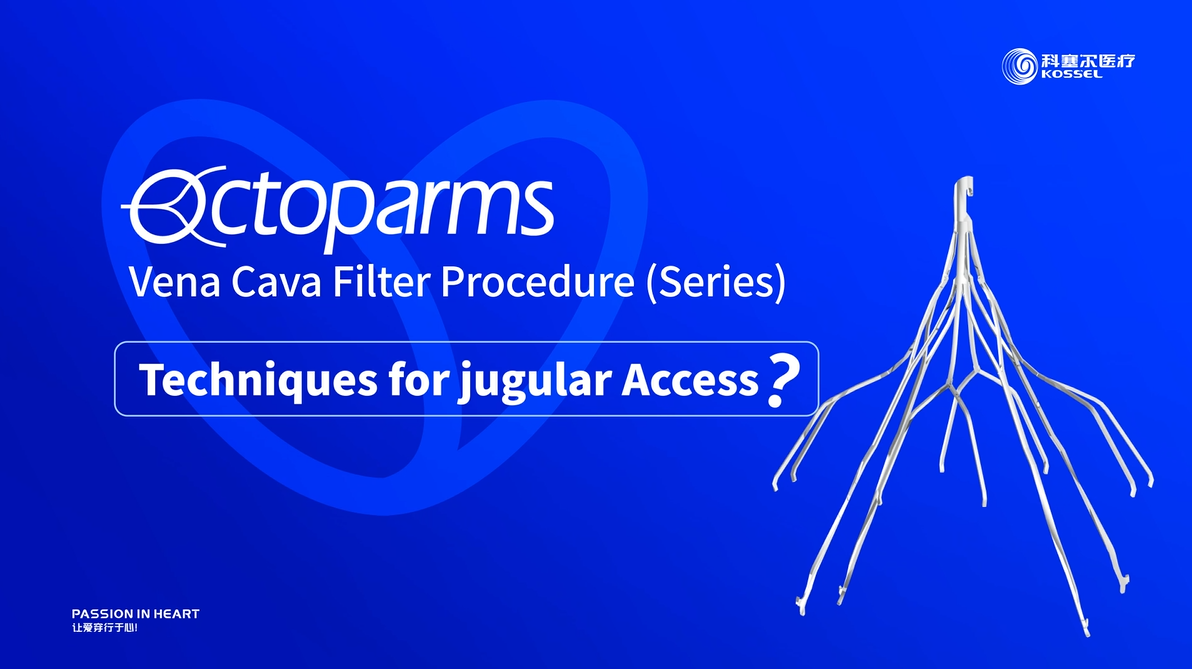
    Vena Cava Filter Procedure (Series)

    How to address the issue that the angle between the inferior vena cava and the left iliac vein is large and there is a risk of tilting during the filter release?


  • Solar Panel Mounting Systems for Flat Roofs

    Solar Panel Mounting Systems for Flat Roofs

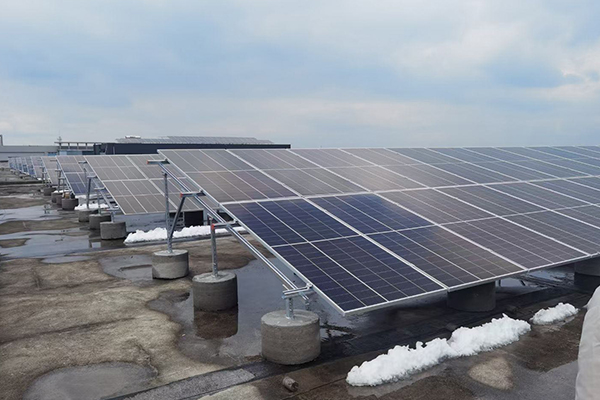
    Solar panel mounting systems for flat roofs are specialized structures designed to secure photovoltaic (PV) panels on low-slope or flat roofing surfaces, unlocking the energy-generating potential of commercial buildings, residential homes, and industrial facilities. Unlike sloped roof systems that leverage natural incline, flat roof mounts address unique challenges—such as water drainage, wind resistance, and optimal sun exposure—to ensure efficient, long-lasting solar operations.
    The primary types of flat roof mounting systems cater to diverse needs. Ballasted systems, the most common, use weighted blocks (concrete or recycled materials) to anchor panels without penetrating the roof membrane, preserving waterproofing. Penetrating systems, ideal for high-wind areas, use fasteners to attach to the roof’s structural deck, offering superior stability with proper sealing to prevent leaks. Adhesive systems, a lightweight option, rely on industrial-strength adhesives to bond mounts to the roof, suitable for roofs with weight restrictions.
    Key advantages of these systems include flexible layout—panels can be angled (typically 10–30°) to match local latitude, maximizing sunlight absorption—and space efficiency, as flat roofs often have unobstructed areas for large-scale installations. They also support easy maintenance: technicians can access panels without damaging the roof, and modular designs allow for future expansions.
    Critical design considerations include roof load capacity (to accommodate mounts, panels, and ballast), waterproofing compatibility (using roof-friendly materials to avoid membrane damage), and wind load resistance (engineered to withstand local weather conditions). Many modern systems also integrate cable management and drainage features to enhance functionality.
    As global demand for distributed solar energy grows, flat roof mounting systems play a pivotal role in urban renewable energy adoption. They enable businesses to reduce electricity costs, meet sustainability goals, and qualify for green energy incentives. For homeowners, they transform underutilized roof space into clean energy sources. With ongoing innovations in lightweight materials and modular designs, these systems continue to become more accessible, making flat roofs a vital asset in the transition to a low-carbon future.

    Solar-Panel-Mounting-Systems-for-Flat-Roofs

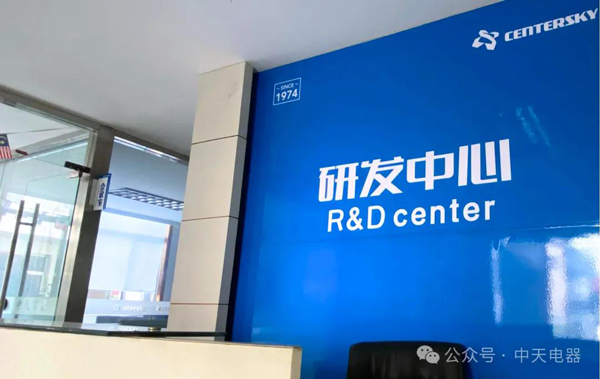
  • Innovation-Driven Development Towards High-Quality Development —A Record of the R&D Center Upgrade

    Innovation-Driven Development Towards High-Quality Development —A Record of the R&D Center Upgrade

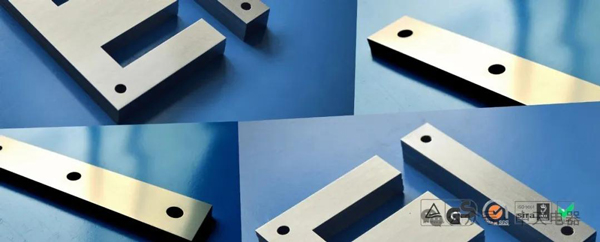
    silicon-steel-sheets
    I.Background of R&D Center Upgrade
    In recent years, with the country’s emphasis on high-quality innovation and development in the manufacturing industry, and the increasing global demand for environmental protection, energy conservation, and intelligent technologies, Jiangyin Centersky Electrical Appliance Co., Ltd, a long-established manufacturer of electromagnetic silicon steel sheets, has deeply recognized the importance of technological research and development. In recent years, the company has invested in and continuously upgraded its R&D center, gradually improving its technological innovation capabilities and market competitiveness, keeping up with domestic and international market demands, and promoting the company’s high-quality development in the electrical industry.

    II. Upgrade Content of R&D Center

    silicon-steel-sheet

    1.Hardware infrastructure upgrades and talent development:
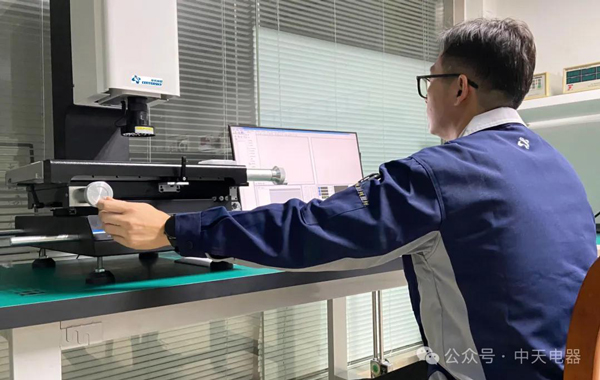
    To better meet market demands, improve product performance, and provide more efficient services to customers, the company has successively introduced several advanced domestic equipment platforms, including high-precision testing instruments and automated testing equipment, to improve experimental R&D efficiency. Simultaneously, it is continuously equipping its R&D laboratories with more advanced supporting equipment for the R&D and testing of new products and processes.
    The company is also gradually increasing its efforts in talent recruitment, hiring more professional and technical personnel with an international perspective and high levels of expertise, and cultivating more outstanding R&D talent through cooperation with universities and research institutions. Currently, technical personnel account for 26% of the company’s total workforce, and employees with college degrees or above account for 38%.

    Digital Transformation:

    electrical steel sheet

    Leveraging modern information technologies such as the internet and big data, the company has achieved fully digital management of the entire R&D and production process. Through real-time network scheduling, the company has achieved precise interaction across all departments, including design and R&D, production, quality inspection, warehousing, and logistics. Paperless IoT real-time monitoring allows for comprehensive and seamless control from raw material to finished product, breaking the traditional production model and greatly improving efficiency and quality from R&D to production.

    III. Keep up with policy trends

    In recent years, Centersky has actively integrated into national strategies, committed to developing new energy-saving and environmentally friendly technologies, and focusing on products such as rail transit and special electrical equipment. The company continues to drive technological innovation in areas such as industrial power transmission and distribution automation systems, power transformers, and special transformer systems, further enhancing its competitiveness in the international market.

    silicon steel

    Going forward, Centersky will continue to invest in and upgrade its production and R&D, enabling it to take solid and powerful steps on the path of technological innovation and high-quality development. Adhering to the development philosophy of “Sincerity and Expertise,” the company strives to become a benchmark enterprise in the industry through continuous technological innovation and management optimization.