Find Hot

Enterprise hot news

Category: Haihong

  • BIPV Solar Panel Mounting: Merging Energy Efficiency with Architectural Integrity

    BIPV Solar Panel Mounting: Merging Energy Efficiency with Architectural Integrity

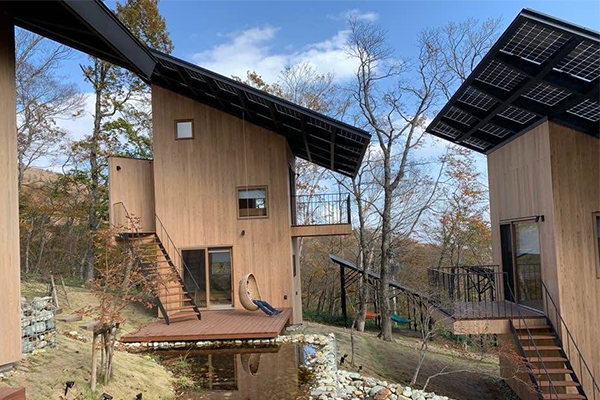
    BIPV solar panel mounting differs fundamentally from traditional rooftop PV installation—it integrates solar modules directly into building envelopes, turning structures into energy generators while preserving (or enhancing) architectural function and aesthetics. This installation approach requires a holistic balance of photovoltaic performance, structural safety, and building design principles.
    Prior to mounting, a comprehensive assessment is critical. Engineers first evaluate the building’s structural capacity: roofs, facades, or canopies must support BIPV modules (typically 15–25 kg/m²) plus wind and snow loads. Sunlight analysis (via tools like 3D solar mapping) identifies optimal mounting areas to maximize energy yield, avoiding shading from adjacent structures or vegetation. Importantly, BIPV mounting must align with the building’s lifecycle—install plans are often finalized during the design phase to avoid retrofitting delays.
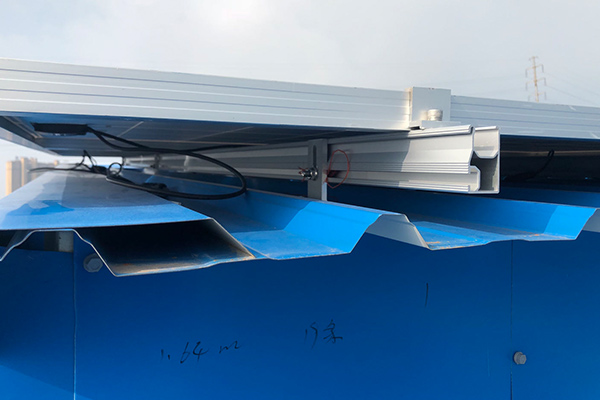
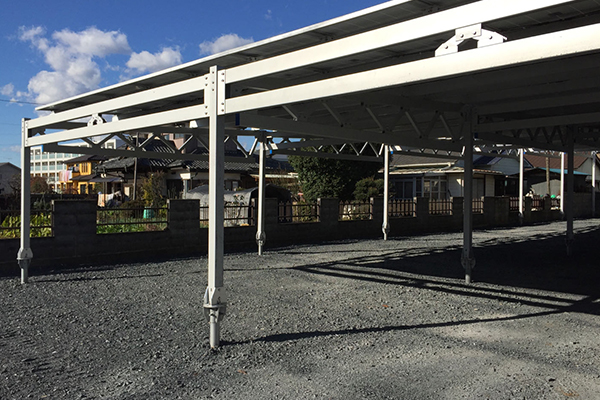
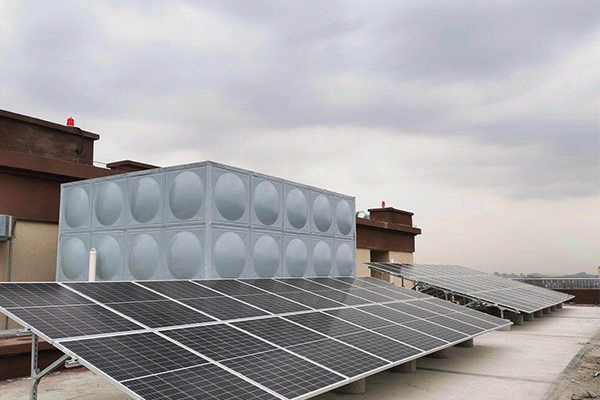
    Mainstream BIPV mounting solutions cater to different building components. For roofs, “replace-and-integrate” systems are common: BIPV shingles or tiles replace conventional asphalt/ceramic tiles, secured with interlocking frames that ensure water tightness. Flat roofs use low-profile racking (10–15 cm height) to angle modules toward the sun, with ballast weights (instead of penetrations) protecting roof membranes. Facade mounting involves integrating BIPV panels into curtain walls—double-glazed units with embedded solar cells, held by aluminum profiles that enable ventilation and thermal insulation. Canopy or awning mounting adds functional shade while generating power, using lightweight aluminum brackets anchored to building exteriors.
    Technical rigor defines successful BIPV mounting. Waterproofing is non-negotiable: sealants (e.g., EPDM rubber) and flashing strips prevent water intrusion at module edges. Electrical integration requires concealed wiring (run through building cavities) and inverters sized to match module output, often installed in utility rooms for easy maintenance. All installations comply with global standards, such as IEC 61730 (PV module safety) and local building codes for fire resistance and wind resistance.
    Beyond functionality, BIPV mounting delivers dual value: it eliminates the need for separate PV racks (reducing material costs) and turns building surfaces into revenue-generating assets. As green building standards (e.g., LEED) prioritize on-site energy generation, BIPV mounting emerges as a key solution—blending sustainability with architectural vision.
  • Flat Roof PV Mounting Systems: A Key Component for Solar Energy Utilization

    Flat Roof PV Mounting Systems: A Key Component for Solar Energy Utilization

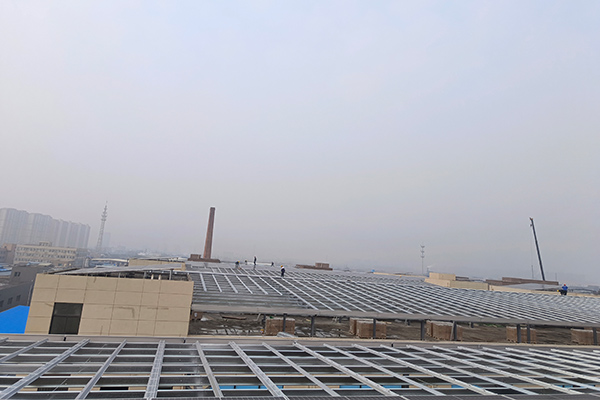
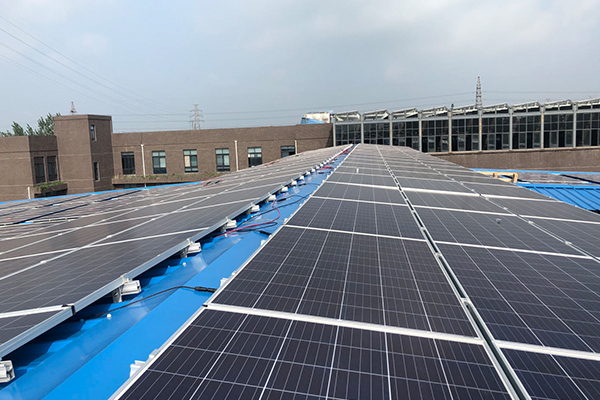
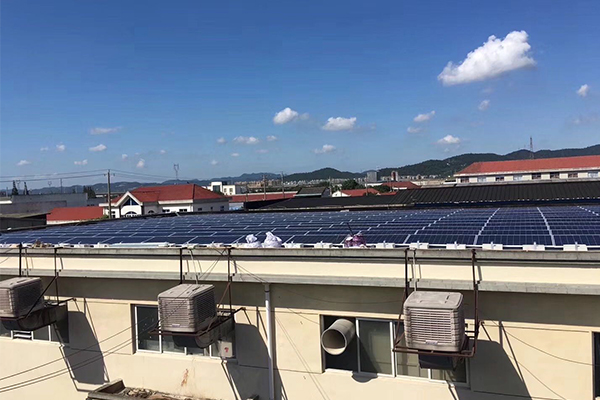
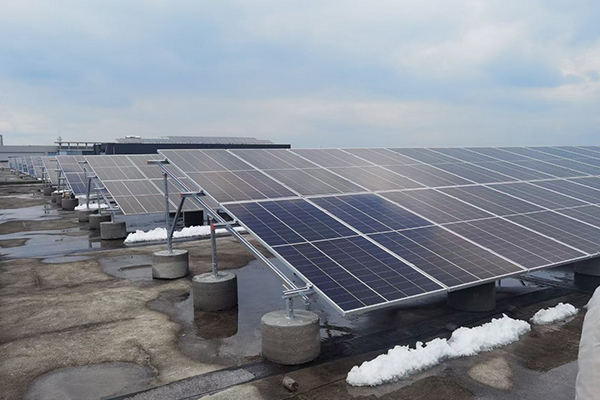
    Flat roof PV mounting systems are structural assemblies designed to secure solar panels on the low-slope rooftops of commercial buildings, industrial facilities, and large public structures. Unlike their sloped-roof counterparts, these systems address the unique challenges of flat surfaces, such as optimizing sunlight exposure and ensuring stability without compromising roof integrity.
    Two primary types dominate the market: ballasted and penetrating systems. Ballasted mounts use concrete blocks or weighted frames to anchor panels, eliminating the need to drill into the roof membrane—an advantage for preserving waterproofing. Penetrating systems, by contrast, use bolts to fasten to the roof’s structural supports, offering superior wind resistance but requiring careful sealing to prevent leaks. Both types allow adjustable tilt angles, a critical feature for maximizing energy production by aligning panels with local solar paths.
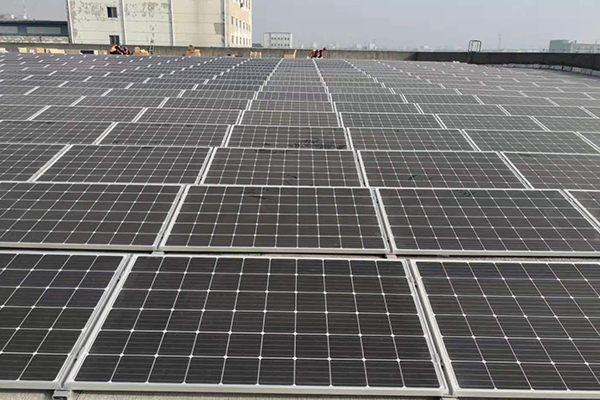
    The appeal of flat roof PV mounting systems lies in their space efficiency and flexibility. Flat roofs often have unobstructed areas, enabling dense panel installation and higher energy output per square meter. They also integrate seamlessly with existing roof infrastructure, minimizing disruption to building operations during installation. Additionally, their modular design simplifies maintenance and future expansions, making them a cost-effective choice for long-term solar projects.
    Key considerations in system design include roof load capacity, local weather conditions, and waterproofing. Engineers must calculate the combined weight of panels, mounts, and potential snow accumulation to avoid structural strain. Wind load resistance is equally vital, as flat roofs are more exposed to uplift forces. Advanced systems now incorporate lightweight materials like aluminum alloys to reduce load while enhancing durability.
    As global demand for renewable energy grows, flat roof PV mounting systems are becoming increasingly sophisticated. Innovations such as integrated tracking mechanisms and smart monitoring tools further boost their efficiency, solidifying their role in the transition to sustainable energy. For businesses and organizations seeking to reduce carbon footprints, these systems offer a practical and scalable solution to harness solar power effectively.