Glazed tile roof brackets are essential structural elements that combine architectural beauty with mechanical stability, specifically engineered to secure glazed tiles—signature components of traditional and contemporary decorative roofing. These brackets address the unique challenges of glazed tile installations, balancing the tiles’ weight, curved profiles, and exposure to harsh weather, while preserving the visual harmony of roofs in cultural, residential, and commercial buildings.
Crafted for durability and adaptability, the brackets feature thoughtful design elements. Most incorporate adjustable clamping systems to fit varying tile thicknesses (8-35mm) and curved or flat profiles, ensuring a tight, non-slip grip that prevents displacement from wind, rain, or thermal expansion. Their load-bearing capacity—ranging from 50 to 200kg per bracket—accommodates the heft of glazed tiles, which are denser than standard roofing materials. The structure also includes drainage notches to avoid water accumulation, reducing corrosion risks and extending the roof’s lifespan.
Material selection is critical to their performance. Common options include stainless steel (for superior corrosion resistance in coastal or humid regions), galvanized steel (cost-effective and durable for general use), and aluminum alloy (lightweight yet strong, ideal for retrofitting historic buildings). Many modern brackets add protective coatings or thermal insulation pads to minimize tile damage and enhance energy efficiency, blending functionality with sustainability.
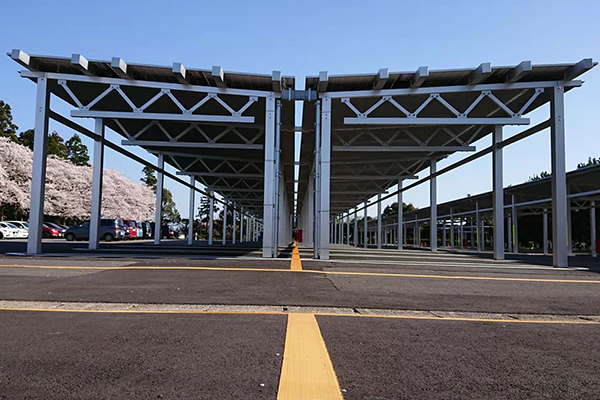
Applications span diverse architectural contexts. In historic preservation projects, they replicate traditional fixing methods without damaging ancient tiles; in modern construction, they enable the integration of glazed tile aesthetics into contemporary designs—from residential rooftops to cultural landmarks and commercial complexes. Specialized variants also support solar panel installations on glazed tile roofs, merging tradition with renewable energy needs.
As a bridge between aesthetics and engineering, glazed tile roof brackets ensure that decorative roofing remains both visually striking and structurally sound, solidifying their role in preserving architectural heritage and enhancing modern building designs.
Category: Haihong
-
Glazed Tile Roof Bracket The Reliable Backbone of Aesthetic Roofing
-
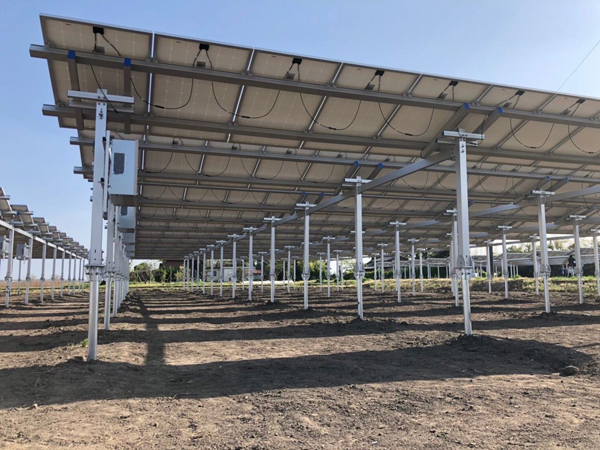
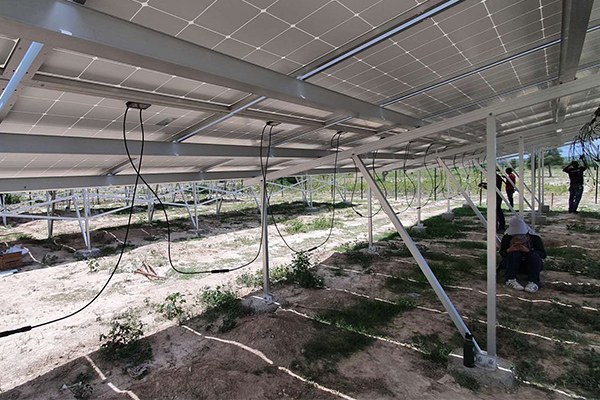
Haihong Agricultural Solar Mounting Systems: Pioneering Sustainable Agri-Energy Integration
As the global push for green agriculture intensifies, Haihong’s agricultural solar mounting systems emerge as a game-changing solution, seamlessly blending renewable energy generation with efficient farmland utilization. Founded in 2011, Jiangyin Haihong New Energy Technology has established itself as a leader in photovoltaic mounting solutions, with its agricultural series gaining international acclaim for durability, versatility, and eco-friendliness.
Crafted from high-grade materials including aluminum 6005-T5, carbon steel Q235B, and SUS304 stainless steel, these systems boast exceptional resilience against harsh agricultural environments. Withstanding wind loads up to 60 m/s and snow loads of 1.4 kN/㎡, they ensure 25 years of reliable operation backed by a 10-year warranty, certified by CE, SGS, and ISO standards . The lightweight, pre-assembled design enables quick installation, reducing labor costs by 30% while minimizing disruption to farming activities .
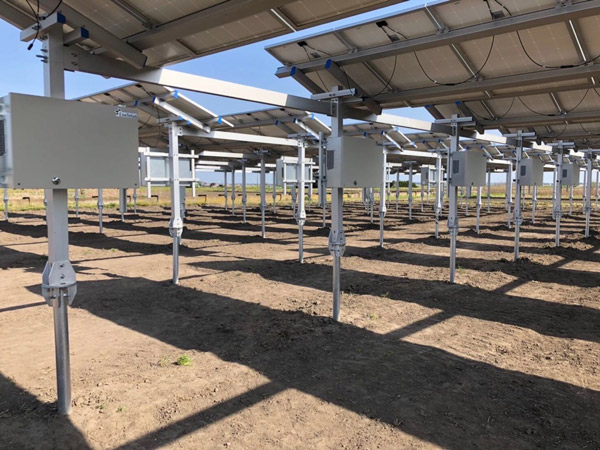
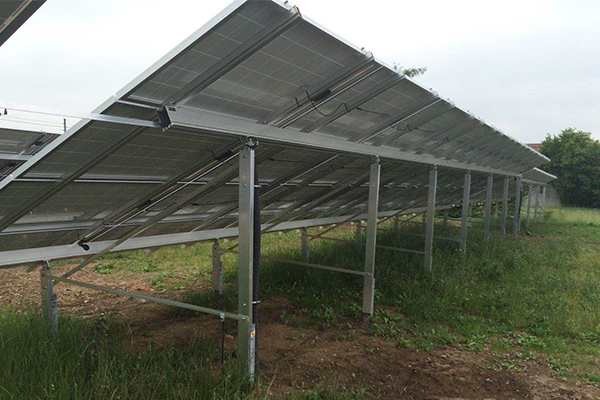
What sets Haihong’s system apart is its adaptive design for agri-photovoltaic complementation. Offering customizable light transmittance (60%-70%) and adjustable tilt angles (0°-30°), it optimizes crop growth conditions while maximizing solar energy output . The elevated structure (2.5-3.5 meters) accommodates agricultural machinery and livestock movement, realizing “one land, dual harvests”—crop production alongside clean energy generation . This integration not only cuts farmers’ energy costs but also provides additional revenue through grid-connected power sales .
Trusted globally, Haihong’s agricultural mounting systems have been deployed in projects across Europe, Asia, and Africa, supporting the transition to sustainable farming. By merging precision engineering with environmental stewardship, Haihong continues to drive the agri-energy revolution, empowering farmers to embrace both productivity and sustainability. -
High-Performance Ground Solar Mounts
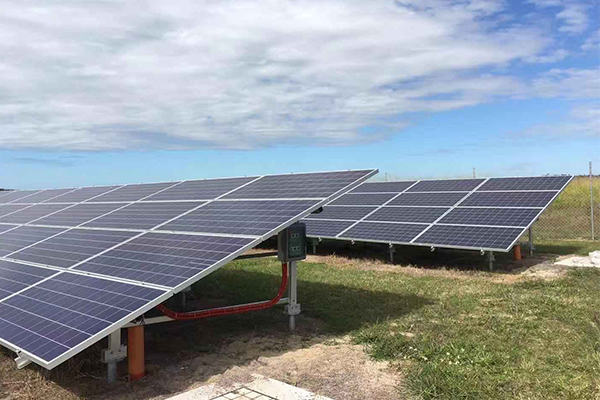
As the global shift toward clean energy accelerates, ground solar mounting systems have emerged as a cornerstone of large-scale solar installations, offering unmatched flexibility and efficiency. Unlike rooftop systems constrained by space and structure, these ground-based solutions optimize solar capture while adapting to diverse terrains, driving the $37.3 billion market’s steady growth at a 4.7% CAGR through 2034 .
The core product lineup caters to varied needs: fixed-tilt systems, the most cost-effective option, excel in stable regions with simplified installation . Single-axis trackers boost efficiency by 15-25% by following the sun’s east-west path, while dual-axis models achieve up to 30% more output with full 360° adjustment—ideal for high-latitude areas . Advanced foundations, from concrete bases for permanence to eco-friendly ground screws requiring no excavation, ensure stability across soil types, from deserts to slopes . Frames crafted from aluminum or galvanized steel offer corrosion resistance and durability, meeting 25-year service life standards .
Key advantages set these systems apart: optimal panel orientation maximizes energy yield, while ground-level access simplifies maintenance and cleaning . Modular designs enable seamless scalability, supporting residential setups to gigawatt-scale solar farms. Innovative “solar+” integrations, such as agrivoltaics (combining solar with farming), enhance land utilization and profitability . Smart tech integration, including IoT monitoring and AI-driven load adaptation, optimizes performance and reduces operational costs .
Compliant with global safety standards, these systems thrive in utility-scale projects, off-grid installations, and regions with limited rooftop space. Backed by easy installation, low long-term maintenance, and alignment with carbon reduction goals, ground solar mounting systems empower businesses and communities to harness renewable energy efficiently. As nations ramp up renewable targets, investing in these versatile solutions unlocks sustainable growth while tapping into a market projected to reach $59.5 billion by 2034 . -
Haihong Flat Roof Mounting System A Reliable Solar Support Solution
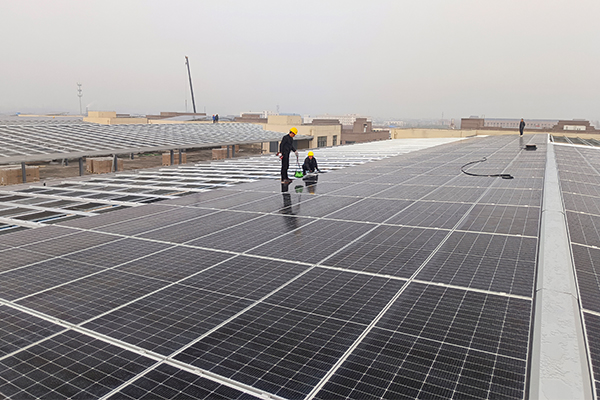
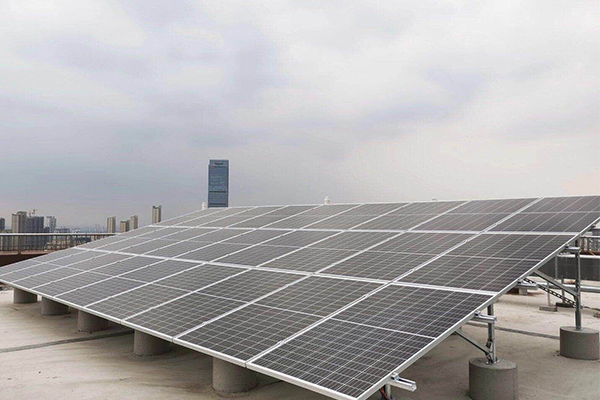
As a key product of Jiangyin Haihong New Energy Technology Co., Ltd., the Haihong Flat Roof Mounting System stands out as a trusted choice for solar installations worldwide. Engineered with precision and durability in mind, this system addresses the core needs of commercial, industrial, and residential solar projects seeking efficient roof-mounted solutions.
Crafted from high-quality materials including 6005-T5 aluminum alloy and Q235B carbon steel, the system boasts exceptional corrosion resistance through anodized surface treatment, ensuring a 25-year service life and a 10-year warranty . Its robust design handles extreme weather conditions, withstanding wind loads up to 60 m/s and snow loads of 1.4 kN/m², making it adaptable to diverse climatic zones . Compliance with global certifications such as CE, SGS, and ISO standards guarantees operational safety and product reliability.
The system’s modular and foldable design simplifies transportation, storage, and installation. With maximum pre-assembly and compatible clamping accessories, it enables quick setup without extensive roof penetration, preserving roof integrity while ensuring stability . Its flexibility shines in accommodating both framed and frameless solar panels, with adjustable tilt angles (0–60 degrees) to optimize sunlight absorption and energy output .
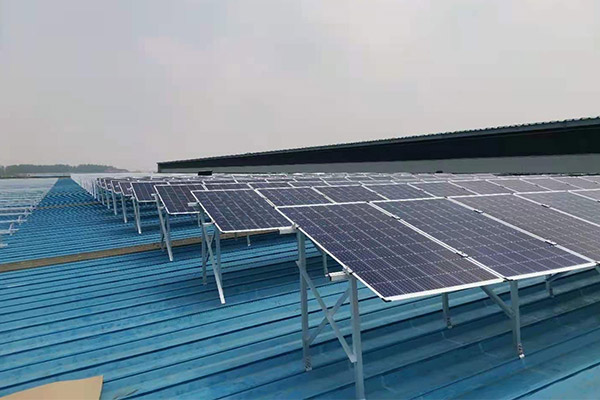
Ideal for warehouses, office buildings, greenhouses, and public facilities, the Haihong Flat Roof Mounting System maximizes unused roof space for renewable energy generation . It supports customization for different project scales and roof types, from concrete bases to metal sheets, while minimizing labor costs through efficient installation . By merging sustainability, durability, and practicality, this system empowers businesses and homeowners to embrace solar energy with confidence, driving the transition to clean power. -
Tile Roof Solar Mounting Systems Innovative Solutions for Secure Efficient Rooftop PV
Tile roof solar mounting systems have emerged as a critical enabler for rooftop solar adoption, addressing the unique challenges of fragile tile roofs while delivering reliability and performance. Designed for clay, concrete, and slate tile structures—common in residential and commercial buildings worldwide—these specialized systems balance structural integrity, weathertightness, and easy installation.
At their core, modern mounting systems feature advanced hardware that eliminates tile damage. Proprietary designs like rail-less brackets and adjustable tile hooks attach directly to roof rafters or decking without removing tiles, distributing solar panel loads evenly to structural members . High-grade 304 or 316 stainless steel components ensure corrosion resistance, with 316 grade mandatory for coastal environments to guarantee 30+ year lifespans . Integrated EPDM washers and moldable flashing kits create watertight seals, complying with NHBC Standards and ICC building codes to prevent water infiltration .
Key advantages include universal compatibility and efficiency. Adjustable height brackets (1.0–2.5 inches) accommodate diverse tile profiles, while UL 2703 certified hardware ensures compliance with fire safety and electrical bonding requirements . Installation is streamlined—professional teams complete setups without tile removal, reducing labor time by 30% compared to traditional methods . These systems withstand extreme weather, with wind uplift resistance of 150–300 lbs per hook and durability against thermal cycling and snow loads .
Aligning with global clean energy trends, these mounting systems support the $31.67 billion solar roof-mount market growth . They integrate seamlessly with bifacial and high-efficiency modules, optimizing rooftop space utilization while preserving roof aesthetics. For homeowners and businesses, they offer long-term value: solar panels shield tiles from UV damage, extending roof life, while policy incentives like the Inflation Reduction Act enhance ROI .
As rooftop solar expands, tile roof mounting systems stand out as a safe, compliant, and cost-effective solution. By combining innovative design with robust materials, they unlock the solar potential of tile roofs worldwide, driving the transition to sustainable energy. -
Policy and Technology Drive BIPV Mounting Systems as Core Engine of Building-Integrated Photovoltaics
Recently, with the intensive implementation of green building policies at home and abroad, solar BIPV mounting systems have become a key pillar of the energy transition in the construction sector by virtue of technological innovation and scenario adaptability. Data shows that China’s BIPV market scale exceeded 186 billion yuan in 2025, a year-on-year increase of 82.3%. As a core supporting component, mounting systems have witnessed explosive growth driven by the dual demand from the renovation of existing buildings and the construction of new buildings.
In terms of policies, coordinated efforts have been made globally. China’s Work Plan for Accelerating Energy Conservation and Carbon Reduction in the Construction Sector clearly stipulates that the BIPV coverage rate of new public buildings and factory roofs will reach more than 50% and 40% respectively by 2025. Regions such as Zhejiang have issued policies for the direct grid connection of green electricity, paving the way for BIPV renovation of industrial and commercial buildings. The revised EU Building Energy Performance Directive stipulates that new buildings applying for permits after May 2026 must optimize solar installation designs, creating a vast market for mounting systems.
Technological innovation has addressed industrial pain points. Enterprises including Zhongyan Guangjian have developed PV waterproof mounting systems that meet architectural waterproof standards. Their modular design features a Grade 12 wind resistance capacity, adapting to extreme weather and existing building renovation. Amorphous silicon flexible PV mounting systems, with their lightweight and bendable properties, fill the application gap in irregular-shaped buildings and old factories, with significantly improved low-light power generation efficiency. Meanwhile, the cost of mounting systems continues to drop, with an expected decline of 20%-25% in 2026, further stimulating market demand.
Application scenarios are expanding continuously, with industrial and commercial factories as the main market, accounting for 62%. With the popularization of the integrated “BIPV + energy storage + intelligent management and control” solution, mounting systems are driving buildings to transform from “passive energy conservation” to “active power generation”, injecting sustained impetus into the achievement of the dual carbon goals.
-
Flat Roof Solar Mounting Systems: Efficient, Versatile Solutions for Urban Renewable Energy
Flat roof solar mounting systems have emerged as a cornerstone of urban solar adoption, addressing the space constraints of cities by leveraging underutilized rooftop areas. Designed for low-slope (1-10°) roofs common in commercial buildings, industrial facilities, and warehouses, these systems balance structural stability, installation flexibility, and energy optimization—critical for maximizing solar project returns.
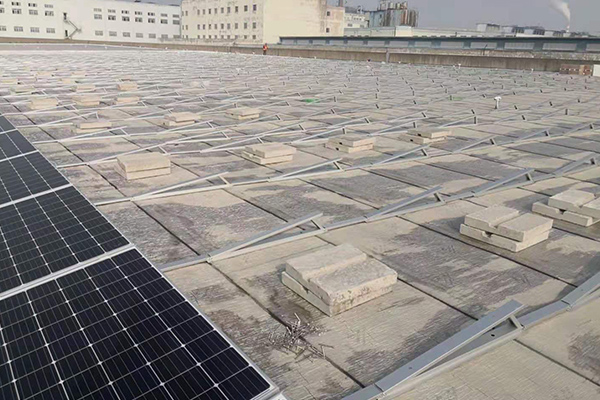
The core system types cater to diverse roof conditions: Ballasted (non-penetrating) systems use concrete/steel weights to secure arrays without drilling, preserving roof waterproofing and warranty integrity . Ideal for concrete or membrane roofs, they distribute loads evenly (25-40 kg/m²) and support 5-15° tilt angles for optimized sunlight capture . Penetrating (mechanical) systems anchor directly to roof structures via bolts, offering superior wind resistance (up to 180 km/h) for sloped or high-wind zones, though requiring precision waterproof sealing . Hybrid systems combine ballast and penetration for balanced weight efficiency and stability, suitable for seismic-prone regions .
Advanced designs integrate galvanized steel or aluminum components (G90 coating) for corrosion resistance, while adjustable rails enable 10-30° tilt angles—balancing 92-98% peak efficiency with wind load mitigation . Key technical features include compliance with ASCE 7-22 wind standards, 3-axis laser alignment (±1° tolerance), and compatibility with TPO/PVC/metal roofs . Installation is streamlined, with ballasted systems requiring no curing time and penetrating models featuring torque-controlled bolting for consistency .
Beyond space efficiency, these systems drive sustainability by reducing carbon footprints and energy costs. They support scalable deployments—from small commercial arrays to large industrial projects—while minimizing roof disruption. As urban renewable goals accelerate, flat roof solar mounting systems stand as a pragmatic choice, bridging structural safety, installation versatility, and long-term energy productivity for modern built environments. -
Agricultural Solar Mounting Systems: Merging Energy Production with Farming Efficiency
As global agriculture shifts toward sustainability and cost reduction, agricultural solar mounting systems have emerged as a transformative solution—integrating solar energy generation with farming operations to maximize land value and environmental benefits. These specialized structures support photovoltaic (PV) panels while adapting to the unique demands of agricultural landscapes, addressing both energy needs and farming productivity.
The primary types of agricultural solar mounting systems include ground-mounted fixed systems, tracking systems, agrivoltaic (AV) integrated systems, and roof-mounted variants. Ground-mounted fixed systems, ideal for open farmlands, feature adjustable tilt angles to optimize solar absorption and are designed with sufficient height to accommodate crop growth or livestock grazing. Tracking systems (single-axis or dual-axis) follow the sun’s trajectory, boosting energy output by 15–30% compared to fixed models, suited for large-scale commercial farms. Agrivoltaic systems, a game-changer for land-constrained regions, combine PV panel installation with under-panel farming—supporting shade-tolerant crops while generating clean energy. Roof-mounted systems utilize farm buildings (barns, warehouses) to save land, offering a space-efficient option for small to mid-sized farms.
Modern systems boast agricultural-specific design features: corrosion-resistant materials (hot-dipped galvanized steel, aluminum) to withstand harsh outdoor conditions, modular structures for easy installation and expansion, and compatibility with irrigation systems and farm machinery. Their low-impact design ensures minimal disruption to planting, harvesting, and soil health.
For farmers, these systems deliver multifaceted benefits: reduced electricity costs via on-site power generation, additional revenue from surplus energy sales to grids, and improved land-use efficiency (especially critical in densely populated agricultural regions). They also align with carbon reduction goals, cutting farm emissions while enhancing resilience against volatile energy prices.
As renewable energy policies and agricultural modernization drive demand, agricultural solar mounting systems are becoming indispensable for sustainable farming. By uniting energy production with agricultural productivity, they pave the way for a greener, more profitable future in global agriculture.