Find Hot

Enterprise hot news

Category: Haihong

  • Agricultural Solar Mounting Systems: Merging Energy Production with Farming Efficiency

    As global agriculture shifts toward sustainability and cost reduction, agricultural solar mounting systems have emerged as a transformative solution—integrating solar energy generation with farming operations to maximize land value and environmental benefits. These specialized structures support photovoltaic (PV) panels while adapting to the unique demands of agricultural landscapes, addressing both energy needs and farming productivity.

    The primary types of agricultural solar mounting systems include ground-mounted fixed systems, tracking systems, agrivoltaic (AV) integrated systems, and roof-mounted variants. Ground-mounted fixed systems, ideal for open farmlands, feature adjustable tilt angles to optimize solar absorption and are designed with sufficient height to accommodate crop growth or livestock grazing. Tracking systems (single-axis or dual-axis) follow the sun’s trajectory, boosting energy output by 15–30% compared to fixed models, suited for large-scale commercial farms. Agrivoltaic systems, a game-changer for land-constrained regions, combine PV panel installation with under-panel farming—supporting shade-tolerant crops while generating clean energy. Roof-mounted systems utilize farm buildings (barns, warehouses) to save land, offering a space-efficient option for small to mid-sized farms.

    Modern systems boast agricultural-specific design features: corrosion-resistant materials (hot-dipped galvanized steel, aluminum) to withstand harsh outdoor conditions, modular structures for easy installation and expansion, and compatibility with irrigation systems and farm machinery. Their low-impact design ensures minimal disruption to planting, harvesting, and soil health.

    For farmers, these systems deliver multifaceted benefits: reduced electricity costs via on-site power generation, additional revenue from surplus energy sales to grids, and improved land-use efficiency (especially critical in densely populated agricultural regions). They also align with carbon reduction goals, cutting farm emissions while enhancing resilience against volatile energy prices.

    As renewable energy policies and agricultural modernization drive demand, agricultural solar mounting systems are becoming indispensable for sustainable farming. By uniting energy production with agricultural productivity, they pave the way for a greener, more profitable future in global agriculture.


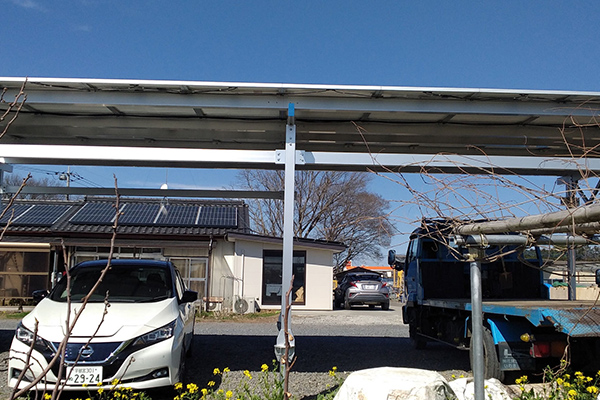
  • Solar Panel Ground Mounting Systems Efficient Solar Energy Solutions

    Solar panel ground mounting systems have become a cornerstone of large-scale renewable energy projects, offering a versatile and high-performance alternative to rooftop installations. Designed to secure solar panels on open land, these systems leverage optimal positioning and structural stability to maximize energy production, making them ideal for commercial solar farms, industrial facilities, and utility-scale projects worldwide.
    Composed of durable materials like aluminum or galvanized steel, ground mounting systems feature adjustable frames that allow precise alignment of solar panels with the sun’s path. Fixed-tilt designs offer cost-effectiveness for consistent sunlight areas, while single-axis or dual-axis tracking systems enhance efficiency by following solar movement, boosting energy output by 15-30% compared to fixed setups. Their robust structure withstands harsh weather—from strong winds to heavy snow—ensuring long-term reliability with minimal maintenance.
    A key advantage is flexibility in site selection and scalability. Unlike rooftop systems limited by space and structural capacity, ground mounts can be installed on unused land, brownfields, or agricultural areas (agrivoltaics), adapting to varying terrains. They support easy expansion, allowing project owners to add panels as energy demands grow. Additionally, ground-mounted arrays simplify maintenance: panels are accessible at waist height, reducing inspection and cleaning costs while minimizing safety risks.
    Aligning with global sustainability goals, these systems drive the transition to clean energy by optimizing solar efficiency. They reduce reliance on fossil fuels, lower carbon emissions, and offer long-term cost savings through reduced electricity bills and potential government incentives. As solar technology advances and land-use strategies evolve, ground mounting systems remain a vital solution, empowering businesses and communities to harness solar energy’s full potential efficiently and sustainably.

    Solar-Panel-Ground-Mounting-Systems

  • Flat Roof Solar Panel Mounting Systems Efficient Solutions for Renewable Energy

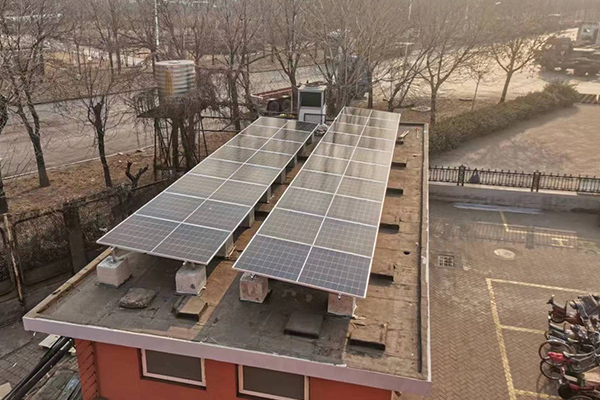
    Flat roofs, abundant on commercial buildings, industrial facilities, and modern residences, have become prime real estate for solar energy adoption—thanks to specialized flat roof solar panel mounting systems. These engineered solutions address the unique challenges of flat surfaces, unlocking their full potential for clean energy generation while ensuring structural safety and operational efficiency.

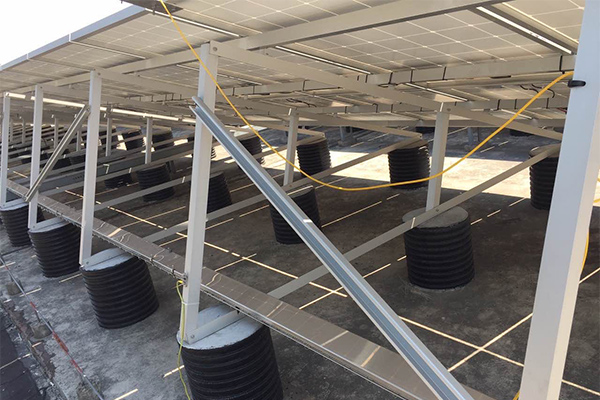
    Unlike sloped roof systems that rely on gravity and roof pitch, flat roof mounting systems prioritize flexibility and stability. Most utilize two core designs: ballasted systems and penetrative systems. Ballasted systems, the more popular choice, use concrete blocks, water tanks, or weighted frames to secure panels without drilling into the roof membrane—preserving waterproofing and avoiding structural damage. Penetrative systems, ideal for roofs with robust structural support, use fasteners anchored to the roof deck for enhanced wind resistance, suitable for high-wind regions. Both designs offer adjustable tilt angles (typically 10-30 degrees) to optimize sun exposure, maximizing energy output throughout the day.

    Versatility and space efficiency are key strengths of these mounting systems. Modular components allow for customizable layouts, adapting to irregular roof shapes, HVAC units, or skylights. By arranging panels in optimal configurations—such as portrait or landscape orientation—installers can maximize the number of panels per square meter, boosting energy yield for limited roof spaces. Many systems also feature height-adjustable rails, facilitating airflow beneath panels to reduce heat buildup, which can degrade panel performance over time.

    Durability and compatibility further elevate their appeal. Constructed from corrosion-resistant materials like aluminum and stainless steel, these systems withstand harsh weather conditions—from extreme temperatures to heavy rainfall—ensuring long-term reliability. They are compatible with all solar panel types, including monocrystalline, polycrystalline, and thin-film, making them a flexible choice for both new installations and retrofits. Additionally, modern systems integrate seamlessly with solar inverters and monitoring tools, enabling real-time performance tracking and maintenance.

    For businesses and homeowners alike, flat roof solar mounting systems offer a cost-effective path to sustainability. They eliminate the need for roof modifications in many cases, reducing installation time and labor costs. By harnessing unused roof space to generate electricity, users lower energy bills, qualify for renewable energy incentives, and reduce their carbon footprint. As the demand for solar energy grows, these mounting systems continue to evolve—with innovations in lightweight materials and smart design—solidifying their role as a cornerstone of efficient, accessible renewable energy solutions.

    Flat-Roof-Solar-Panel-Mounting-Systems

  • Ground Solar Racking Systems Supporting Efficient Renewable Energy

    Ground solar racking systems serve as the foundational framework for utility-scale and commercial solar installations, merging structural stability with energy optimization to maximize photovoltaic (PV) performance. These engineered systems are tailored to diverse terrains and climatic conditions, making solar energy more accessible and efficient globally.
    The three primary system types cater to varied needs and budgets. Fixed tilt systems, with their concise structure and minimal maintenance requirements, offer an economical choice for long-term installations . Single-axis trackers enhance efficiency by rotating panels along one axis to follow the sun’s daily path, delivering 15-30% more power than fixed arrays . Dual-axis systems take precision further, adjusting to both horizontal and vertical solar movements for up to 40% higher generation compared to fixed setups .
    Modern racking systems boast robust design features. Constructed from 6005-T5 aluminum alloy and SUS304 stainless steel, they resist corrosion and endure extreme conditions—withstanding wind loads up to 60 m/s and snow loads of 1.6 kN/m² . Pre-assembled components and modular kits eliminate on-site welding and cutting, slashing installation time while ensuring millimeter accuracy . Height-adjustable rails adapt to uneven terrain, maintaining optimal panel alignment .
    Beyond structural integrity, these systems boost energy output through smart design. Elevated mounting improves airflow beneath panels, reducing temperatures and enhancing efficiency on hot days . Accessible ground-level positioning simplifies cleaning and maintenance, preventing efficiency losses from debris buildup . Their versatility supports both framed and frameless modules in portrait or landscape layouts .
    Future innovations promise greater advancement. Hybrid carbon fiber-aluminum structures will reduce weight while increasing strength , and AI-driven tracking systems will use real-time weather data to optimize positioning . As renewable energy adoption accelerates, ground solar racking systems remain pivotal to unlocking solar’s full potential, balancing cost-effectiveness with sustainable performance.

    ground-solar-racking-systems

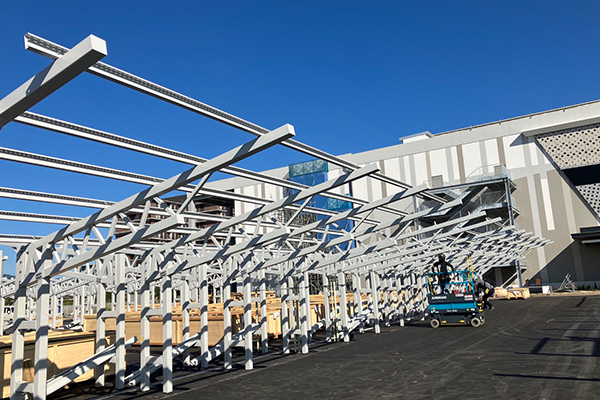
  • BIPV Solar Mounting Systems Integrating Energy and Architecture

    BIPV solar mounting systems have emerged as a transformative solution in sustainable construction, blending solar energy generation seamlessly with architectural design. Unlike traditional rooftop solar setups that require separate installation, these systems integrate photovoltaic panels directly into building envelopes—roofs, facades, or canopies—turning structures into active energy producers while maintaining aesthetic appeal.

    The core strength of BIPV mounting systems lies in their dual functionality. Engineered to support PV panels while fulfilling building performance requirements, they ensure structural stability, weather resistance, and thermal insulation. Key components include lightweight aluminum or stainless-steel rails, adjustable clamps, and waterproof sealing materials, all designed to adapt to diverse building materials such as concrete, metal, or glass. Modular designs enable flexible configuration, fitting both new constructions and retrofits without compromising structural integrity.

    These systems offer remarkable versatility across applications. In commercial buildings, they replace conventional facades or curtain walls, generating clean energy while reducing cooling loads. Residential projects utilize them as roof tiles or balcony railings, maximizing space efficiency in urban areas. Public infrastructure like parking garages or bus shelters also benefit, turning underutilized spaces into power-generating assets.

    Beyond energy production, BIPV mounting systems deliver substantial environmental and economic value. By harnessing renewable solar energy, they cut carbon emissions and reliance on grid electricity, lowering utility costs over time. Their integration into building materials reduces the need for traditional construction supplies, minimizing environmental impact. Additionally, many regions offer incentives for BIPV installations, enhancing return on investment.

    Technological advancements continue to elevate these systems, with innovations in lightweight materials, improved waterproofing, and smart integration with energy storage and building management systems. As the global push for carbon neutrality intensifies, BIPV solar mounting systems are no longer just an alternative energy option—they have become a cornerstone of green architecture, bridging the gap between functionality, sustainability, and design excellence.

    BIPV-solar-mounting-system

  • Corrugated Roof Solar Mounts: Reliable Supports for Efficient Solar Energy Harvesting

    Corrugated roofs, characterized by their ridged, metal or fiberglass structure, are widely used across residential, agricultural, and small commercial buildings. Corrugated roof solar mounts emerge as tailored solutions to integrate photovoltaic (PV) panels onto these unique surfaces, combining adaptability, durability, and cost-effectiveness to unlock renewable energy potential.
    A core advantage of these mounts is their superior compatibility with corrugated profiles. Unlike flat-roof systems, they feature adjustable clamps or curved brackets that fit snugly into the roof’s ridges and valleys, eliminating the need for extensive roof modification. High-quality models use weather-resistant materials—such as anodized aluminum or galvanized steel—that resist corrosion from rain, UV rays, and temperature fluctuations, ensuring a service life of 25+ years, matching most PV panels’ lifespan.
    Installation efficiency is another key benefit. These mounts typically adopt a non-penetrating design, securing panels without drilling holes into the roof. This not only reduces installation time (often 30% faster than traditional penetrating mounts) but also preserves the roof’s waterproof integrity, a critical concern for corrugated structures prone to leakage if damaged. For metal corrugated roofs, conductive mounts also include grounding components to mitigate lightning and electrical risks.
    Cost-effectiveness further drives their popularity. The simplified installation process cuts labor costs, while the lightweight yet sturdy design minimizes material usage. Additionally, their modular structure allows for easy scaling—whether for a small residential setup or a large industrial array. Many models also support adjustable tilt angles, optimizing sun exposure to maximize energy output, which translates to higher long-term savings on electricity bills.
    Corrugated roof solar mounts are particularly suitable for agricultural barns, warehouse facilities, and rural homes, where corrugated roofs are prevalent. They align with global sustainability goals by enabling clean energy adoption without compromising roof functionality. As the solar industry advances, manufacturers are integrating smarter features—such as wind-resistant designs and compatibility with energy storage systems—enhancing their reliability in diverse climates.
    In conclusion, corrugated roof solar mounts bridge the gap between unique roof structures and solar energy adoption. Their adaptability, easy installation, durability, and cost-efficiency make them an ideal choice for harnessing solar power, contributing to a greener and more sustainable future.

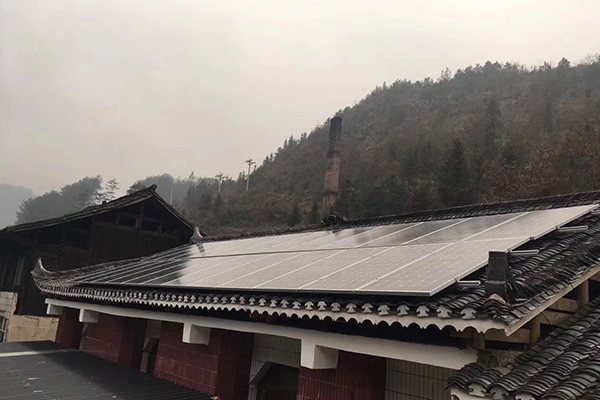
  • Solar Brackets for Metal Roofs: Durable, Efficient Solutions for Renewable Energy

    Solar Brackets for Metal Roofs: Durable, Efficient Solutions for Renewable Energy

    Metal roofs have emerged as a top choice for solar installations, thanks to their durability, load-bearing capacity, and long lifespan. At the heart of this synergy lies the solar bracket for metal roofs—an engineered component that bridges roof structures with photovoltaic (PV) modules, combining stability, easy installation, and weather resistance to maximize renewable energy output.

    Designed specifically for metal roofing systems (including standing seam, corrugated, and R-panel roofs), these brackets eliminate the need for destructive roof penetration. Instead, they use clamping or fastening mechanisms that secure firmly to metal panels without drilling, preserving roof integrity and preventing leaks. Crafted from high-grade aluminum or galvanized steel, they boast excellent corrosion resistance, withstanding harsh elements like UV radiation, heavy rain, and strong winds—ideal for both residential and commercial applications.

    Efficiency is a key advantage. Solar brackets for metal roofs feature adjustable angles, allowing precise alignment of PV modules to capture maximum sunlight. Their lightweight yet robust design reduces roof load while ensuring structural stability, even for large-scale solar arrays on industrial warehouses or commercial buildings. Installation is streamlined too: pre-assembled parts and tool-free adjustments cut down on labor time, lowering project costs and accelerating energy generation.

    Compatibility is another highlight. These brackets adapt seamlessly to various metal roof profiles and PV module sizes, offering flexibility for custom solar designs. Whether for a small residential metal roof or a sprawling industrial facility, they provide consistent support, ensuring modules stay securely in place for decades—matching the 25+ year lifespan of most PV systems.

    Beyond functionality, these brackets contribute to sustainable energy goals. By enabling efficient solar installation on existing metal roofs, they reduce the need for new construction and maximize the use of available space. Their durable materials also minimize replacement needs, lowering environmental impact while delivering reliable solar power.

    For property owners and installers alike, solar brackets for metal roofs represent a smart investment. They combine structural safety, easy installation, and long-term performance, turning metal roofs into high-efficiency solar energy hubs. As the shift to renewable energy accelerates, these specialized brackets stand as a critical solution—proving that metal roofs and solar power are a match made for sustainability.

  • Agricultural Solar Mounting Systems: Merging Farming and Renewable Energy

    Agricultural Solar Mounting Systems: Merging Farming and Renewable Energy

    Agricultural solar mounting systems have emerged as a game-changing solution, integrating solar power generation with agricultural activities to address energy demands and land utilization challenges. These systems are specifically designed to adapt to farmland environments, enabling farmers to harness solar energy while maintaining or even enhancing agricultural production.

    Unlike conventional solar installations, agricultural mounting systems prioritize compatibility with farming operations. Ground-mounted systems, the most common type, feature adjustable heights to accommodate crop growth, allowing machinery to operate underneath. Roof-mounted variants utilize farm buildings, greenhouses, or barns, maximizing space efficiency without occupying cultivable land. Tracking systems, another key category, follow the sun’s trajectory to boost energy output by 15-25% compared to fixed installations, ideal for large-scale agricultural estates.

    The benefits extend beyond energy savings. Farmers can reduce electricity costs, sell surplus power to grids via net metering, and create a stable secondary income stream. Additionally, the structures provide partial shade, mitigating heat stress for crops and reducing water evaporation, which is crucial in arid regions. Environmentally, they cut carbon emissions, aligning with global sustainability goals while preserving farmland for food production.

    Practical applications are diverse: from powering irrigation pumps and farm machinery to supporting greenhouse climate control. In regions like California’s Central Valley or China’s agricultural heartlands, these systems have proven scalable, balancing crop yields with renewable energy generation. Modular designs allow for flexible expansion, catering to smallholdings and large agribusinesses alike.

    As technology advances, agricultural solar mounting systems are becoming more cost-effective and durable, with corrosion-resistant materials suited to outdoor farm conditions. With growing global focus on food security and carbon neutrality, these systems represent a synergistic approach—turning farmland into dual-purpose assets that sustain both agriculture and clean energy production, promising a more resilient and sustainable future for the agricultural sector.

    Agricultural-Solar-Mounting-Systems

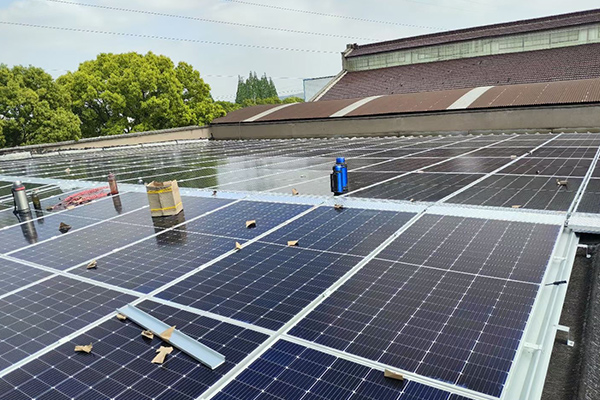
  • Flat Roof Solar Mounting Systems: Efficient, Versatile Solutions for Solar Adoption

    As the global shift toward renewable energy accelerates, flat roof solar mounting systems have emerged as a practical and high-performance choice for commercial, industrial, and residential buildings. Unlike sloped roof setups, these systems leverage the unused horizontal space of flat roofs to deploy solar panels efficiently, offering unique advantages in flexibility, space utilization, and energy output.

    At the core of flat roof solar mounting systems are durable, lightweight components designed for easy installation and long-term reliability. Most systems feature aluminum or galvanized steel frames—materials chosen for their corrosion resistance and strength-to-weight ratio, ensuring compatibility with various roof types (including concrete, TPO, EPDM, and PVC). The mounting structure typically includes adjustable rails, clamps, and ballast or penetration-based fixings. Ballast systems, which use weights like concrete blocks to secure the array without drilling into the roof, are popular for preserving waterproofing, while penetration mounts offer enhanced stability for high-wind areas.

    One key benefit of flat roof systems is their adaptability in panel orientation and tilt angle. Unlike sloped roofs, which are limited by the roof’s pitch, flat roof setups allow installers to optimize the tilt (usually 10–30 degrees) to maximize sunlight exposure, boosting energy production. This flexibility also enables strategic spacing between panels, improving airflow for heat dissipation and simplifying maintenance access. Additionally, flat roofs often provide unobstructed sunlight, free from shading by eaves or nearby structures, further enhancing efficiency.

    Practical considerations for installation include roof load capacity, waterproofing, and local regulations. Prior to installation, a structural assessment is critical to ensure the roof can support the weight of the mounting system, solar panels, and ballast. Waterproofing membranes must be inspected and protected—many systems include rubberized gaskets or flashings to prevent leaks. Compliance with building codes and zoning laws, including setback requirements and height restrictions, is also essential to avoid delays.

    For businesses and homeowners alike, flat roof solar mounting systems offer a cost-effective path to energy independence. They maximize unused space, reduce electricity bills, and contribute to carbon reduction goals. With advancements in materials and design—such as modular components and low-profile frames—these systems continue to become more accessible and efficient, solidifying their role in the future of solar energy adoption.

    flat-roof-solar-mounting-systems

  • Agricultural Solar Mounting Systems: Driving Sustainable Synergy Between Farming and Energy

    Agricultural Solar Mounting Systems: Driving Sustainable Synergy Between Farming and Energy

    Agricultural solar mounting systems are innovative structures designed to integrate solar panels into agricultural landscapes, enabling simultaneous food production and renewable energy generation—known as agrivoltaics. As the global demand for clean energy and efficient land use rises, these systems have emerged as a game-changing solution, bridging agriculture and sustainability while addressing land scarcity challenges.

    These systems come in diverse designs tailored to agricultural needs. Ground-mounted fixed systems, the most common type, are installed with adjustable angles to optimize sunlight absorption without obstructing farm operations. Tracking systems, which follow the sun’s trajectory, boost energy output by 15-25% but suit larger farms. Agrivoltaic canopies, meanwhile, suspend panels above crops or livestock areas, providing shade that benefits heat-sensitive plants and reduces water evaporation, while protecting livestock from extreme weather.

    Key advantages lie in their dual-purpose functionality. Farmers gain additional income from solar energy sales while maintaining agricultural production, enhancing financial resilience. The systems also promote water conservation—shaded soil retains moisture, cutting irrigation needs by up to 40%. Moreover, they reduce carbon footprints by replacing fossil fuels, aligning with global climate goals, and their modular design allows scalability for smallholdings and large commercial farms alike.

    Constructed with durable, corrosion-resistant materials (e.g., aluminum, galvanized steel), these mounting systems withstand harsh agricultural environments, including heavy rainfall and strong winds. Modern models feature easy installation and low maintenance, minimizing disruption to farming activities. They also support crop diversity: shade-tolerant crops like lettuce, mushrooms, and herbs thrive under panels, while solar-powered irrigation systems further integrate energy and farming.

    Future developments will focus on smarter integration—combining IoT sensors for real-time monitoring of energy output and crop health, and compatibility with energy storage solutions to ensure stable power supply. As governments worldwide offer incentives for renewable energy adoption, agricultural solar mounting systems are set to play a pivotal role in sustainable agriculture. By uniting food security and clean energy production, they represent a win-win for farmers, the environment, and global energy transition.

    Agricultural-solar-mounting-systems