Find Hot

Enterprise hot news

Category: Trumony

  • 280 Cooling Plate: The Core of Efficient Thermal Management in ESS

    Designed for High-Power Thermal Management

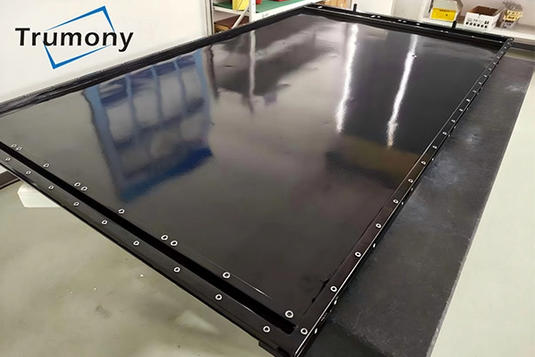
    The 280 cooling plate is a critical thermal management component widely used in energy storage systems (ESS), industrial power electronics, and high-performance electronic equipment. Commonly designed for battery systems utilizing 280Ah cells, it plays a vital role in maintaining temperature uniformity, enhancing system efficiency, and ensuring operational safety. With increasing power density in modern energy storage applications, efficient liquid cooling solutions have become essential for long-term reliability and performance.

    Key Component in Energy Storage Systems

    Within an ESS liquid cooling architecture, the cooling plate serves as the primary heat transfer interface between battery cells and the coolant loop. By continuously removing heat generated during charging and discharging cycles, it helps maintain optimal operating temperatures and minimizes temperature differences across the battery pack.

    Manufactured from high-thermal-conductivity aluminum alloys such as AL3003, 280 cooling plates are typically produced through advanced stamping and brazing processes. Optimized internal flow channel designs improve heat exchange efficiency while reducing pressure drop. These features help maintain consistent cell temperatures, improve battery lifespan, and reduce the risk of thermal runaway.

    High Cooling Performance and Safety Protection

    A well-designed 280 cooling plate can effectively manage the thermal load of large-format lithium iron phosphate (LFP) battery modules. Combined with an appropriate coolant circulation system, it provides efficient heat dissipation while maintaining excellent temperature uniformity across the battery pack.

    In addition to thermal performance, electrical safety is a critical consideration. Advanced surface treatments and insulation designs help achieve low electrical conductivity, reducing the possibility of electrical faults and enhancing overall system safety. This combination of cooling efficiency and electrical protection makes the 280 cooling plate an indispensable component in modern ESS applications.

    Applications Beyond Energy Storage

    The advantages of the 280 cooling plate extend beyond battery energy storage. Similar liquid cooling technologies are widely adopted in industrial drives, power conversion systems, charging infrastructure, and other high-power electronic equipment where thermal stability directly impacts performance and reliability.

    By efficiently transferring heat away from critical components, cooling plates enable equipment to operate reliably in demanding environments, including high ambient temperatures, dusty conditions, and continuous-duty applications.

    Supporting the Future of Energy Storage

    As energy storage systems continue to increase in capacity and power density, the demand for advanced thermal management solutions will continue to grow. The 280 cooling plate addresses these challenges through customized designs, efficient heat transfer capabilities, and robust safety performance.

    With its ability to improve battery performance, extend service life, and enhance system reliability, the 280 cooling plate remains a cornerstone technology for next-generation energy storage and high-power electronic applications.

    280-Cooling-Plate.jpg
  • Maximize Operational Stability with the 314 Cold Plate

    Advanced Liquid Cooling Solution for ESS Battery Packs

    In modern energy storage systems (ESS), stable battery temperature control is critical for operational safety, system efficiency, and long-term reliability. The 314 cold plate is specifically designed for 314 battery cell configurations and provides an efficient liquid cooling solution for large-scale ESS battery packs.

    Developed with both 52S and 104S configuration solutions, the 314 cold plate helps maintain uniform temperature distribution across battery modules, reducing thermal imbalance and supporting stable system operation under high charging and discharging conditions.

    High-Performance Stamping and Brazing Structure

    The 314 cold plate is manufactured using a stamping and brazing process, combining excellent structural strength with efficient heat transfer performance. Compared with conventional cooling structures, the optimized internal flow channel design improves coolant distribution while maintaining reliable mechanical integrity for long-term ESS operation.

    This mature manufacturing process also enables:

    • High production consistency

    • Stable leak-proof performance

    • Excellent pressure resistance

    • Cost-effective large-scale manufacturing capability

    The brazed aluminum structure delivers strong thermal conductivity while ensuring lightweight performance, making it suitable for demanding energy storage applications.

    Optimized for Energy Storage Battery Thermal Management

    Designed specifically for ESS liquid cooling applications, the 314 cold plate effectively controls battery temperature rise during continuous operation, helping improve:

    • Battery safety and thermal stability

    • Charge and discharge efficiency

    • Battery cycle life

    • Overall system reliability

    Uniform thermal management also helps reduce the risk of localized overheating and thermal runaway, which is essential for large-capacity energy storage systems.

    Flexible 52S and 104S Platform Solutions

    To meet different ESS integration requirements, Trumony provides both 52S and 104S cold plate solutions based on the 314 cell platform. The adaptable design supports multiple battery pack layouts and enables efficient customization according to customer project requirements.

    This flexibility helps shorten development cycles while supporting faster project validation and mass production implementation.

    Reliable Performance for Long-Term ESS Operation

    The 314 cold plate undergoes strict quality inspection and leak testing to ensure stable long-term operation in demanding ESS environments. Its robust stamped-brazed structure offers dependable sealing performance and durability throughout the battery system lifecycle.

    As energy storage systems continue to scale toward higher capacity and higher power density, the 314 cold plate provides a reliable and efficient thermal management solution that supports safer and more stable ESS operation.

    energy-storage-systems.jpg
  • 587 Cooling Plate: Advanced Thermal Management Solution by Trumony Aluminum Limited

    Efficient Thermal Management for Modern ESS Applications

    The 587 cooling plate developed by Trumony Aluminum Limited is a high-performance aluminum liquid cooling component specifically engineered for Energy Storage System (ESS) battery packs and other high-power electronic applications. Leveraging extensive expertise in aluminum thermal management technologies, Trumony combines advanced material engineering with precision manufacturing to deliver reliable and efficient cooling performance for demanding operating conditions.

    High-Quality Aluminum Structure with Superior Heat Dissipation

    Manufactured from premium aluminum alloys such as 3003, the 587 cooling plate achieves an excellent balance between lightweight construction, structural strength, and corrosion resistance. Its optimized internal coolant channel design significantly improves coolant distribution and thermal exchange efficiency, enabling rapid heat transfer away from battery cells and electronic components. By maintaining stable temperature uniformity across the battery pack, the cooling plate effectively reduces localized overheating and minimizes thermal runaway risks, thereby improving battery safety, operational stability, and service life. To accommodate diverse project requirements, Trumony provides customized solutions for coolant inlet and outlet structures, channel layouts, insulation coatings, and thermal interface integration. This flexibility allows customers to optimize system integration while accelerating project development and validation processes.

    Reliable Manufacturing and Strict Quality Assurance

    Every 587 cooling plate undergoes comprehensive quality inspection and performance verification prior to delivery. Advanced testing procedures, including helium leak detection, pressure resistance testing, thermal performance validation, and dimensional inspection, ensure consistent product reliability and long-term operational safety. Manufactured in accordance with international standards such as CE, ISO, RoHS, and UL requirements, the cooling plates are suitable for global market applications. Supported by in-house research and development, precision stamping, brazing, and CNC machining capabilities, Trumony Aluminum Limited is able to efficiently support both prototype development and large-scale mass production projects.

    Ideal Solution for ESS and High-Power Applications

    As battery energy density and charging power continue to increase, efficient thermal management has become increasingly critical for the safety and reliability of modern energy systems. The 587 cooling plate reflects Trumony’s advanced expertise in liquid cooling technology by combining efficient heat dissipation, lightweight aluminum construction, excellent durability, and flexible customization capability into a single solution. Its stable thermal performance and robust manufacturing quality make it an ideal choice for energy storage systems and various other high-power electronic applications worldwide.

    587-Cooling-Plate.jpg
  • The Core of Efficient Battery Thermal Management in Energy Storage Systems

    Why ESS Cooling Plates Matter

    ESS cooling plates are critical thermal management components engineered for modern energy storage systems (ESS). As lithium-ion batteries generate substantial heat during charging and discharging cycles, maintaining a stable operating temperature becomes essential for system safety, efficiency, and long-term reliability.

    Advanced liquid cooling technology enables battery packs to operate within an optimal temperature range, minimizing thermal stress and ensuring consistent performance even under high-load conditions.

    Advanced Liquid Cooling Design

    Typically manufactured from high-performance aluminum alloys, ESS cooling plates offer excellent thermal conductivity, lightweight characteristics, and strong corrosion resistance. Their internally optimized flow channels are precisely engineered to maximize heat transfer efficiency while maintaining low pressure drop.

    During operation, coolant solutions such as water-glycol mixtures circulate through the cooling channels, rapidly absorbing and dissipating heat generated by battery cells. This direct-contact liquid cooling method ensures uniform temperature distribution across the battery pack, effectively eliminating localized hotspots and reducing the risk of thermal runaway.

    Key Advantages of ESS Cooling Plates

    Enhanced System Safety

    Efficient heat dissipation prevents battery overheating and significantly reduces the risk of thermal runaway, improving the overall safety and stability of ESS applications.

    Extended Battery Lifespan

    Maintaining a consistent operating temperature helps minimize battery degradation, improving cycle life and preserving long-term energy capacity.

    Higher Energy Density

    Compared with conventional air-cooling systems, liquid cooling solutions enable more compact battery layouts, increasing energy density by approximately 15–20%.

    Compact and Modular Integration

    The slim and scalable structure of ESS cooling plates allows seamless integration into modular battery racks without increasing the system footprint.

    Future of ESS Thermal Management

    As energy storage systems continue evolving toward higher capacities, faster charging rates, and greater energy density, efficient thermal management becomes increasingly important. ESS cooling plates will remain a core technology for ensuring reliable, safe, and cost-effective battery operation in next-generation energy storage applications.