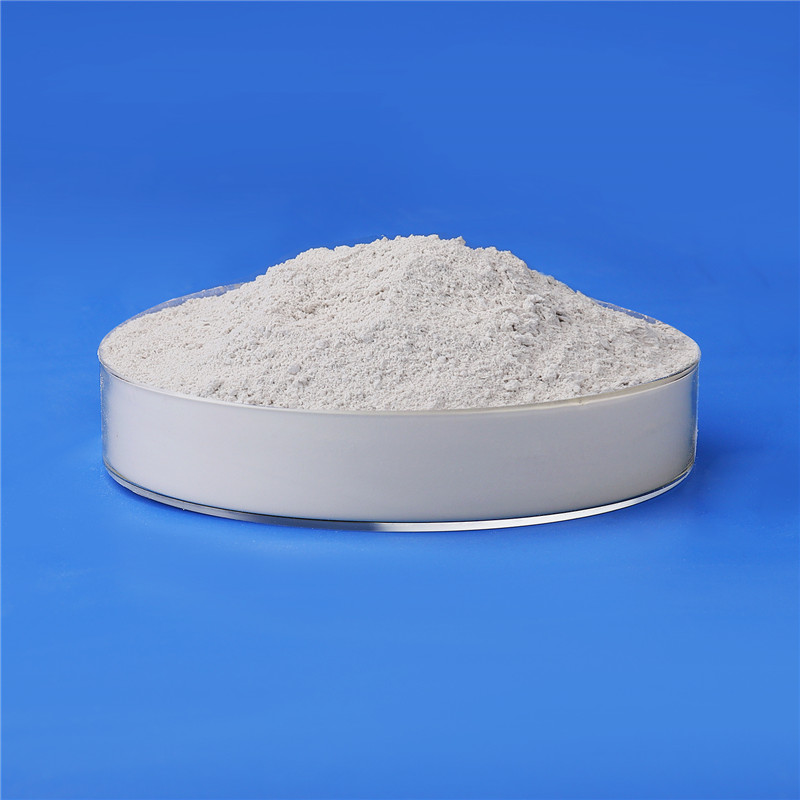
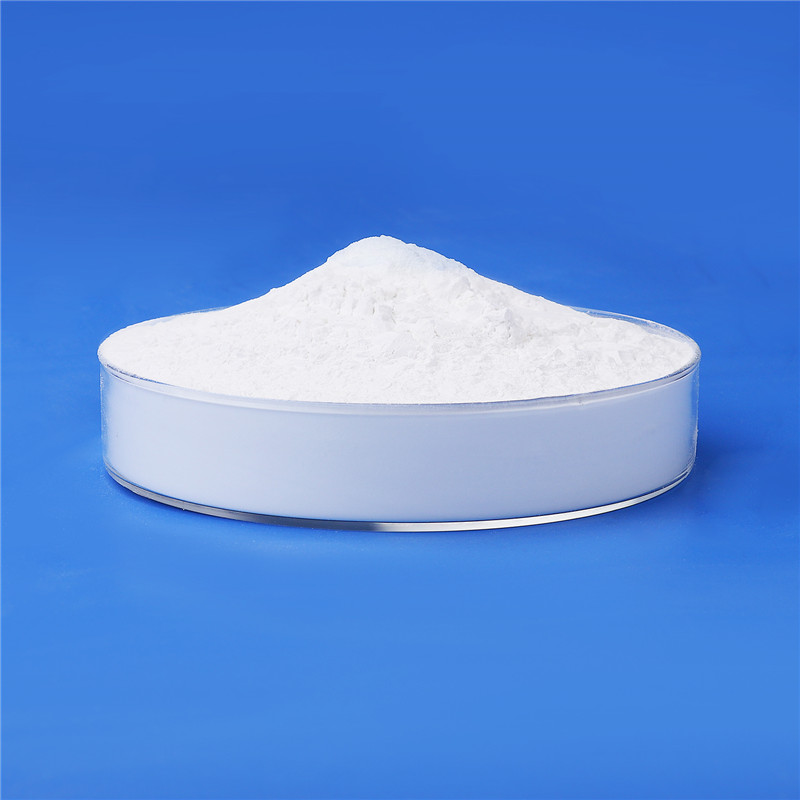
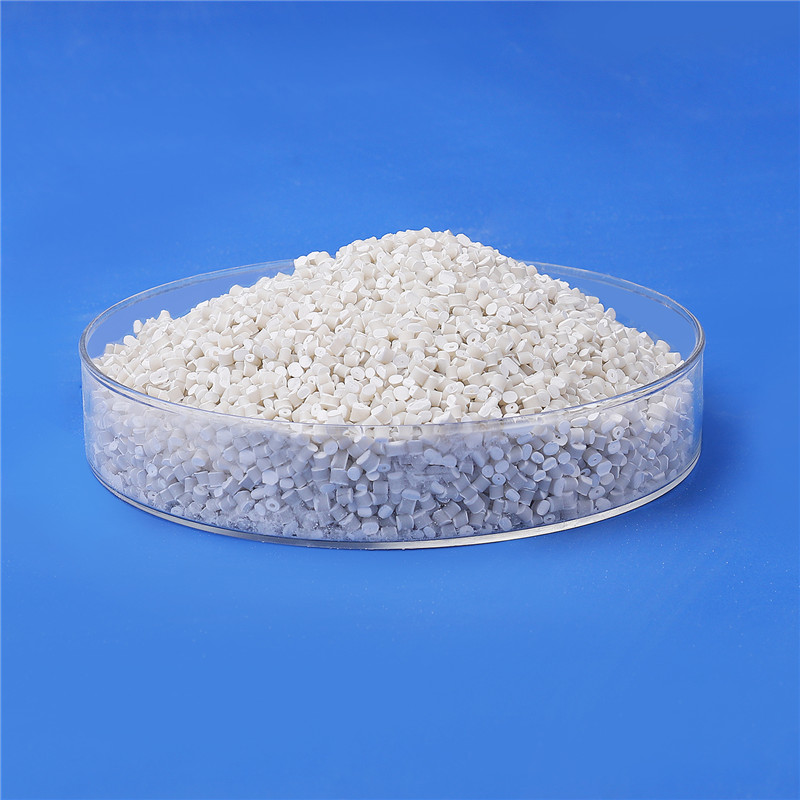
Thermoplastic Elastomers (TPE) are widely used in automotive interiors, children’s toys, food packaging, and consumer goods for their flexibility and processability. However, unpleasant odors—caused by volatile compounds from softening oils, additives, or high-temperature processing—often hinder product acceptance and market competitiveness. TPE Odor Neutralizing Agent emerges as a targeted solution, eliminating odors at the source without compromising material performance.
These agents integrate dual mechanisms: physical adsorption via porous aluminum-silicon inorganic matrices (with 400-600m²/g specific surface area) traps odor molecules, while chemical decomposition converts harmful volatiles (amines, sulfides, formaldehydes) into non-toxic substances. Unlike temporary masking fragrances, they deliver long-lasting deodorization, reducing odor levels to Grade 1 standards and cutting VOC emissions significantly.
Key advantages make them indispensable for TPE processing: exceptional heat stability (withstanding up to 300℃) ensures effectiveness in injection molding and extrusion; micron-scale particle size (2-3μm) enables uniform dispersion without affecting surface gloss or mechanical strength; and compatibility with SEBS/SBS-based TPEs, recycled materials, and various additives. They support sustainability by enhancing the usability of post-consumer recycled TPEs, aligning with circular economy goals.
Ideal for critical applications like automotive interiors and children’s toys, these agents meet global compliance standards, including low-toxicity requirements for food contact and consumer safety. Easy to use—no production equipment modifications needed—they integrate seamlessly into existing workflows, with typical addition levels of 0.5-3%.
By resolving odor issues, TPE Odor Neutralizing Agent boosts product quality, reduces environmental complaints, and expands application scope for TPE materials. It empowers manufacturers to deliver safer, more marketable products while advancing green production practices.
Recently, with the intensive implementation of green building policies at home and abroad, solar BIPV mounting systems have become a key pillar of the energy transition in the construction sector by virtue of technological innovation and scenario adaptability. Data shows that China’s BIPV market scale exceeded 186 billion yuan in 2025, a year-on-year increase of 82.3%. As a core supporting component, mounting systems have witnessed explosive growth driven by the dual demand from the renovation of existing buildings and the construction of new buildings.
In terms of policies, coordinated efforts have been made globally. China’s Work Plan for Accelerating Energy Conservation and Carbon Reduction in the Construction Sector clearly stipulates that the BIPV coverage rate of new public buildings and factory roofs will reach more than 50% and 40% respectively by 2025. Regions such as Zhejiang have issued policies for the direct grid connection of green electricity, paving the way for BIPV renovation of industrial and commercial buildings. The revised EU Building Energy Performance Directive stipulates that new buildings applying for permits after May 2026 must optimize solar installation designs, creating a vast market for mounting systems.
Technological innovation has addressed industrial pain points. Enterprises including Zhongyan Guangjian have developed PV waterproof mounting systems that meet architectural waterproof standards. Their modular design features a Grade 12 wind resistance capacity, adapting to extreme weather and existing building renovation. Amorphous silicon flexible PV mounting systems, with their lightweight and bendable properties, fill the application gap in irregular-shaped buildings and old factories, with significantly improved low-light power generation efficiency. Meanwhile, the cost of mounting systems continues to drop, with an expected decline of 20%-25% in 2026, further stimulating market demand.
Application scenarios are expanding continuously, with industrial and commercial factories as the main market, accounting for 62%. With the popularization of the integrated “BIPV + energy storage + intelligent management and control” solution, mounting systems are driving buildings to transform from “passive energy conservation” to “active power generation”, injecting sustained impetus into the achievement of the dual carbon goals.
Elastomers—including natural rubber, EPDM, NBR, and thermoplastic elastomers—are widely used in automotive, medical, construction, and consumer goods fields. However, unpleasant odors from residual monomers, volatile organic compounds (VOCs), sulfides, and processing byproducts often limit their high-end applications. Traditional chemical deodorants may cause compatibility problems, degrade material performance, or bring secondary pollution, so non-chemical odor neutralizers have become a sustainable and preferred solution.
Non-chemical odor neutralizers for elastomers work through physical adsorption, molecular encapsulation, and mild catalytic decomposition, with no extra chemical reactions involved. Porous materials such as activated carbon, zeolites, and modified silicates capture odor molecules using their high specific surface areas. Microencapsulation locks volatile substances to stop them from volatilizing. Some photocatalytic or thermal catalytic systems break down odor-causing molecules into harmless CO₂ and H₂O under mild conditions, eliminating odors at the source instead of just masking them.
These neutralizers bring significant advantages. They keep the elasticity, mechanical strength, and aging resistance of elastomers intact, with no harm to material properties. They are non-toxic, eco-friendly, and meet strict standards like RoHS, REACH, and food-contact requirements. With a low addition dosage (0.3%–2.0%) and strong process compatibility, they fit mixing, vulcanization, and molding procedures well. They also cut VOC emissions and support green manufacturing.
Now widely used in automotive interiors, medical devices, food-contact products, and baby supplies, non-chemical odor neutralizers have become a key technology for high-quality elastomer production. With ongoing material innovation, they will further expand elastomer applications and promote the sustainable development of the polymer industry.
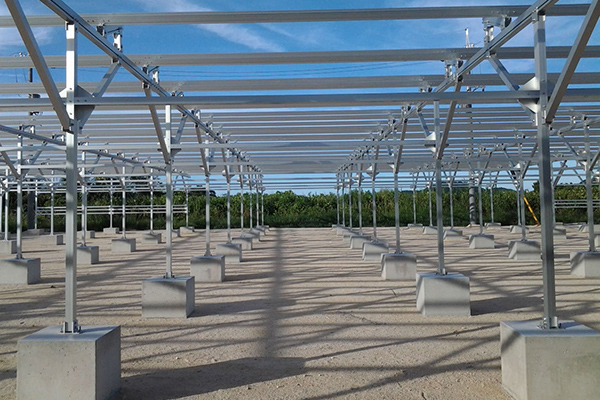
Agricultural solar mounting systems are core supporting structures that connect photovoltaic power generation and agricultural production, creating a highly efficient dual-use model for farmland. They solve the traditional conflict between energy construction and food cultivation, turning ordinary farmland into productive bases that generate both crops and clean electricity.
Made of high-strength aluminum alloy and hot-dip galvanized steel, these mounting systems feature outstanding corrosion resistance, wind resistance and snow load capacity, ensuring a service life of up to 25 years in harsh outdoor environments such as humidity, salinity and extreme weather. Their adjustable height and tilt angle design not only maximizes solar absorption for higher power generation efficiency but also reserves enough space for farming machinery and crop growth, avoiding shading that affects photosynthesis.
These systems support a variety of agrivoltaic scenarios, including farmland planting, greenhouse shading, fish-pond aquaculture and hilly wasteland transformation. The modular and pre-assembled structure simplifies on-site installation, shortens construction periods and reduces labor costs for farmers. By elevating solar panels, the systems provide proper shading for heat-sensitive crops, lower soil water evaporation and help improve crop yields in arid areas.
Beyond land efficiency, agricultural solar mounting systems bring stable economic benefits. Farmers can earn additional income from grid-fed electricity while maintaining traditional planting and breeding, and the generated power can support irrigation, ventilation and lighting in agricultural facilities. The flexible design also adapts to different terrains, making large-scale agrivoltaic projects possible in mountainous and uneven areas.
As global efforts to promote low-carbon agriculture and renewable energy accelerate, agricultural solar mounting systems have become an indispensable part of smart farming. They balance energy development and food security, reduce carbon emissions and drive the transformation of traditional agriculture toward sustainability, intelligence and high efficiency.
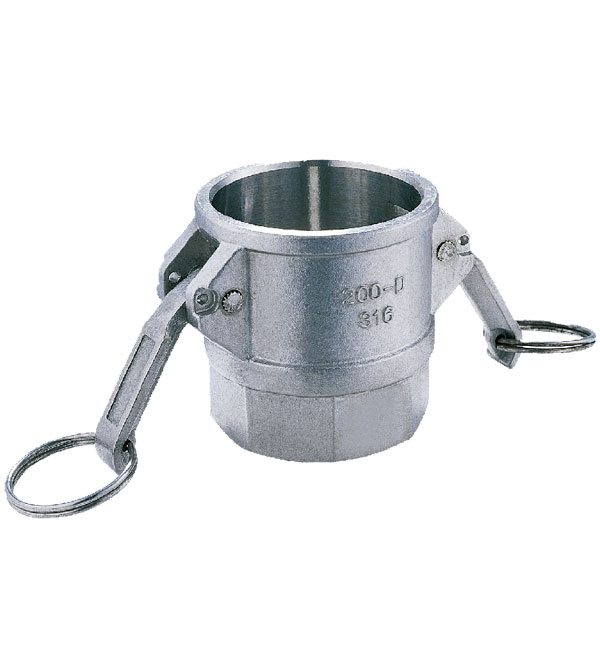
Before commissioning a new system or after major modifications, a proper pressure test is crucial. Safety First: Always follow a written procedure and use protective barriers. 1. Preparation: Isolate the test section with blinds or valves. Install calibrated pressure gauges and a relief valve set to 110% of test pressure. 2. Filling: For hydrostatic tests, fill the system completely with water, venting all air. 3. Pressurization: Gradually increase pressure to 1.5 times the Maximum Allowable Working Pressure (MAWP) as per ASME standards. Hold for a minimum of 10 minutes. 4. Inspection: Check every K&G coupling connection, weld, and joint for leaks, distortion, or weeping. A visual inspection is key. 5. Documentation: Record test pressure, hold time, and inspector’s findings. K&G’s robust couplings are designed to withstand these tests, verifying the integrity of your entire installation.
There are many reasons for excessively high transformer temperatures, which could be due to internal transformer malfunctions or external factors.
One: Internal Transformer Malfunctions
When a transformer operates, the temperature of each part tends to stabilize when heat generation and dissipation reach equilibrium. If, under the same conditions, the oil temperature is more than 10°C higher than usual, or the temperature continues to rise despite a constant load, it can be considered that an internal transformer malfunction has occurred.
1. Poor Tap Changer Contact
During operation, insufficient contact pressure or contamination at the tap changer’s contact points can increase contact resistance. Increased contact resistance leads to increased contact temperature and overheating. This is especially true after tap changing and during transformer overload operation, where poor tap changer contact and overheating are more likely. Poor tap changer contact can be identified by frequent operation of the light gas valve. Oil sample analysis can reveal that poor tap changer contact causes a rapid drop in the oil flash point. Additionally, the contact condition of the tap changer can be determined by measuring the DC resistance of the coil.
2. Short Circuit Between Winding Turns
Due to insulation damage between adjacent turns of the winding, a closed short-circuit current will form. Simultaneously, the reduced number of turns in this phase’s coil leads to high heat generated by the short-circuit circulating current, causing excessive temperature rise in the transformer and potentially burning it out.
Many factors can cause inter-turn short circuits, such as mechanical damage to the insulation due to rough manufacturing processes; insulation aging caused by high temperatures; and axial displacement of the turns under electrodynamic forces, leading to insulation wear. However, the main causes of inter-turn short circuits are overvoltage and overcurrent. Severe inter-turn short circuits cause the oil temperature to rise, and the oil at the short-circuited turn appears to boil, producing a gurgling sound. Oil samples taken for testing show deterioration in oil quality, progressing from a light gas trip to a heavy gas trip. At this point, inter-turn short circuits can also be detected by measuring DC resistance.
3. Short Circuit Between Silicon Steel Sheets in the Core
Due to external damage or insulation aging, the insulation between the silicon steel sheets is damaged, increasing eddy currents and causing localized overheating. In addition, damaged insulation of the through-core screw is also a cause of eddy currents. In mild cases, it causes localized heating, and the rise in transformer oil temperature is generally not observable; in severe cases, it causes the core to overheat, the oil temperature to rise, frequent activation of the light gas system, and a decrease in the oil’s flash point; in extreme cases, the heavy gas system will activate.
4. Oil shortage or blockage in the cooling pipes: Transformer oil is the main insulation inside the transformer, playing a role in insulation, cooling, and arc extinguishing. If there is a shortage of oil or blockage in the cooling pipes, the oil’s circulation and cooling rate decreases, leading to an increase in transformer temperature during operation.
V. External causes of excessive transformer temperature
1. Severe overload: During transformer operation, the hysteresis loss, eddy current loss, and copper loss of the coils are all converted into heat, causing the temperature to rise. Iron loss is a relatively constant loss, related to the transformer structure, and therefore cannot be reduced or eliminated during operation. However, copper loss varies with the load; under severe overload, the copper loss increases, leading to an increase in transformer temperature.
2. Blocked or Severely Dust-Accumulated Air Inlets and Outlets in the Transformer Room: The air inlets and outlets of the transformer room are the channels for air convection during transformer operation. If they are blocked or severely dust-accumulated, the transformer’s heat dissipation conditions deteriorate while its heating conditions remain unchanged, preventing timely heat dissipation to the surrounding environment and causing the transformer’s operating temperature to rise. Measure the air temperature at a distance of 1.5m to 2m from the transformer tank, at a height half the height of the tank. If the measured temperature is 8-10℃ higher than the ambient air temperature, the ventilation in the transformer room should be improved.
3. Transformer Cooling Circulation System Failure: In addition to heat dissipation pipes, power transformers also use forced air cooling, forced oil circulation, and water circulation for cooling. Failure of the cooling system or poor heat dissipation conditions will cause the transformer’s operating temperature to rise.
Odor and volatile organic compound (VOC) emissions are persistent challenges in polymer manufacturing, harming workplace health, lowering product value, and violating strict environmental rules. With tighter standards from the U.S. EPA and European Union, efficient odor eliminators have become necessary additives for extrusion, molding, polymerization, and recycled polymer processing.
Modern odor eliminators use adsorption, neutralization, and decomposition to remove malodorous gases and VOCs. Verified industry data shows that adding just 0.05% of a specialized deodorant masterbatch reduces VOC levels by 85% in PE pellet production, while odor intensity falls from grade 4 to grade 1 without damaging material properties. Activated carbon filtration systems achieve above 90% VOC removal efficiency and hold a 22% share of the industrial odor control market. Chemical neutralizers such as Struktol RP 53 effectively capture mercaptans and amines, supporting wider use of post-consumer recycled (PCR) and post-industrial recycled (PIR) polymers.
These solutions blend easily into production lines and meet food-contact and automotive requirements. The global odor‑scavenging masterbatches market reached **USD 778.9 million in 2026** and is forecast to hit **USD 1.49 billion by 2036**, growing at a **6.7% CAGR**. Driven by recycled resin demand, the high-PCR HDPE odor control segment is expanding even faster at a **12.3% CAGR**.
In summary, odor eliminators are critical for sustainable polymer production. They cut emissions, improve product quality, and support regulatory compliance. As bio-based and heat-resistant formulas develop, these additives will keep enabling cleaner, safer, and more competitive polymer manufacturing worldwide.
Compliance isn’t optional—it’s a requirement for market access and safety. K&G Machinery proactively certifies its products to key global standards. NSF/ANSI 61: Our relevant products are certified for contact with drinking water, assuring no harmful leachates. FDA Compliance: Materials used in our sanitary couplings comply with FDA regulations for food contact. 3-A Sanitary Symbol: Selected lines bear the 3-A symbol, verifying they meet strict hygienic design criteria for dairy and food equipment. ATEX / IECEx: For hazardous areas, we offer intrinsically safe versions and components certified for use in explosive atmospheres (Zone 1/21, Zone 2/22). We provide clear documentation with each certified product, giving you confidence during audits and simplifying your procurement process.
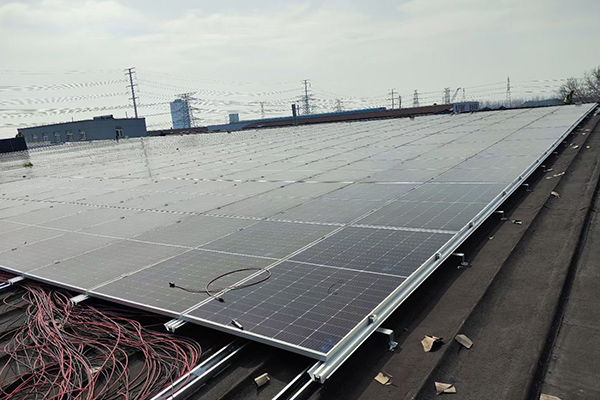
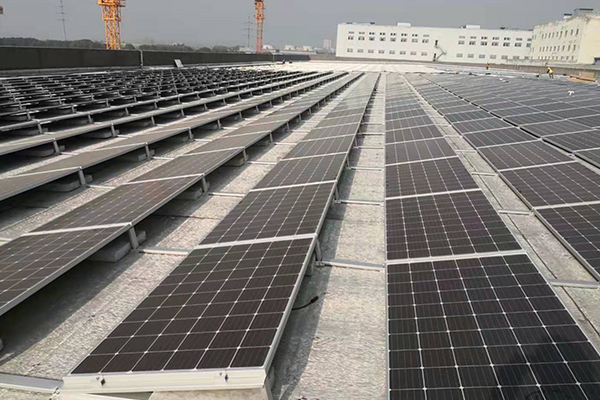
Flat roof solar mounting systems have emerged as a cornerstone of urban solar adoption, addressing the space constraints of cities by leveraging underutilized rooftop areas. Designed for low-slope (1-10°) roofs common in commercial buildings, industrial facilities, and warehouses, these systems balance structural stability, installation flexibility, and energy optimization—critical for maximizing solar project returns.
The core system types cater to diverse roof conditions: Ballasted (non-penetrating) systems use concrete/steel weights to secure arrays without drilling, preserving roof waterproofing and warranty integrity . Ideal for concrete or membrane roofs, they distribute loads evenly (25-40 kg/m²) and support 5-15° tilt angles for optimized sunlight capture . Penetrating (mechanical) systems anchor directly to roof structures via bolts, offering superior wind resistance (up to 180 km/h) for sloped or high-wind zones, though requiring precision waterproof sealing . Hybrid systems combine ballast and penetration for balanced weight efficiency and stability, suitable for seismic-prone regions .
Advanced designs integrate galvanized steel or aluminum components (G90 coating) for corrosion resistance, while adjustable rails enable 10-30° tilt angles—balancing 92-98% peak efficiency with wind load mitigation . Key technical features include compliance with ASCE 7-22 wind standards, 3-axis laser alignment (±1° tolerance), and compatibility with TPO/PVC/metal roofs . Installation is streamlined, with ballasted systems requiring no curing time and penetrating models featuring torque-controlled bolting for consistency .
Beyond space efficiency, these systems drive sustainability by reducing carbon footprints and energy costs. They support scalable deployments—from small commercial arrays to large industrial projects—while minimizing roof disruption. As urban renewable goals accelerate, flat roof solar mounting systems stand as a pragmatic choice, bridging structural safety, installation versatility, and long-term energy productivity for modern built environments.
As global temperatures rise and extreme heat becomes prevalent, high-temperature resistant deodorants have emerged as essential solutions for both personal care and industrial applications. Unlike conventional formulas that degrade or lose efficacy above 30°C, these advanced products maintain odor-neutralizing power in environments up to 45°C and beyond, addressing unmet needs in scorching climates, intense physical activity, and high-heat industrial settings.
At the heart of their performance lies innovative formulation science. Leading personal care variants integrate heat-stable ceramic components and zinc amino acid complexes, which form a protective barrier against sweat-induced bacteria without irritating skin . Natural alternatives leverage magnesium hydroxide and zinc ricinoleate to neutralize odor-causing compounds, avoiding aluminum salts and alcohol while resisting liquefaction in extreme heat . Industrial-grade formulas, such as those patented for waste treatment and farming, feature 10-50% zinc amino acid concentrations, ensuring 100% biodegradability alongside potent sterilization .
Their versatility spans multiple sectors: personal care options cater to athletes and commuters with 48-hour protection, while industrial variants tackle odors in garbage dumps, sewage plants, and farms . These deodorants also align with sustainable trends—many use eco-friendly packaging and residue-free formulas that won’t stain fabrics or corrode equipment . For manufacturers, the technology enables scalability, supporting both small-batch natural products and large-scale industrial solutions.
Driven by global warming, hygiene awareness, and the clean beauty movement, the market for these deodorants is expanding rapidly . They not only solve practical challenges but also redefine performance standards, proving that effectiveness and sustainability can coexist. As heat-related odor issues intensify, high-temperature resistant deodorants stand as a critical innovation, delivering freshness and confidence across the most demanding conditions.