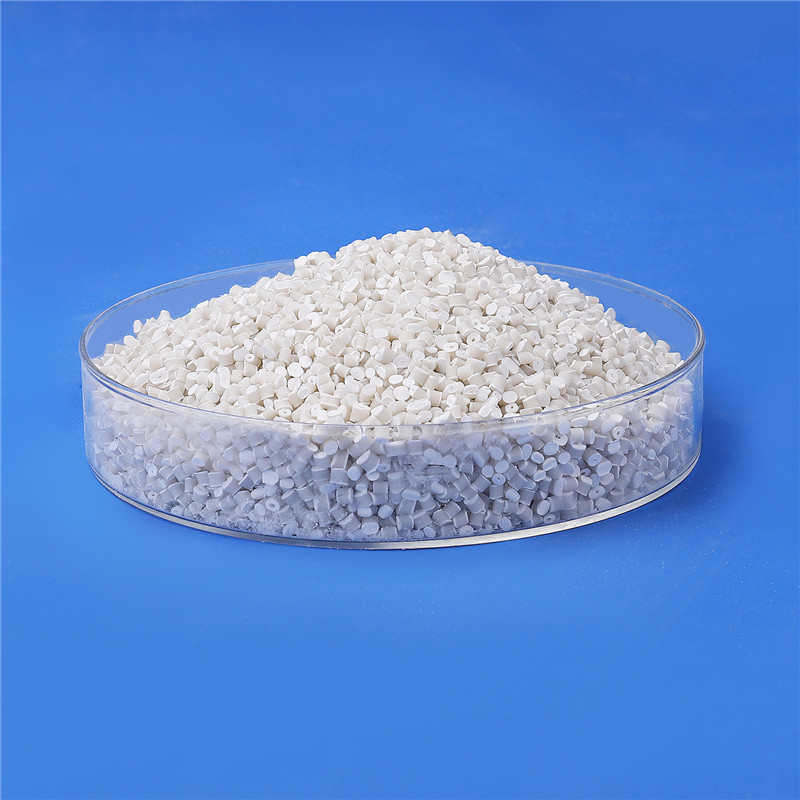
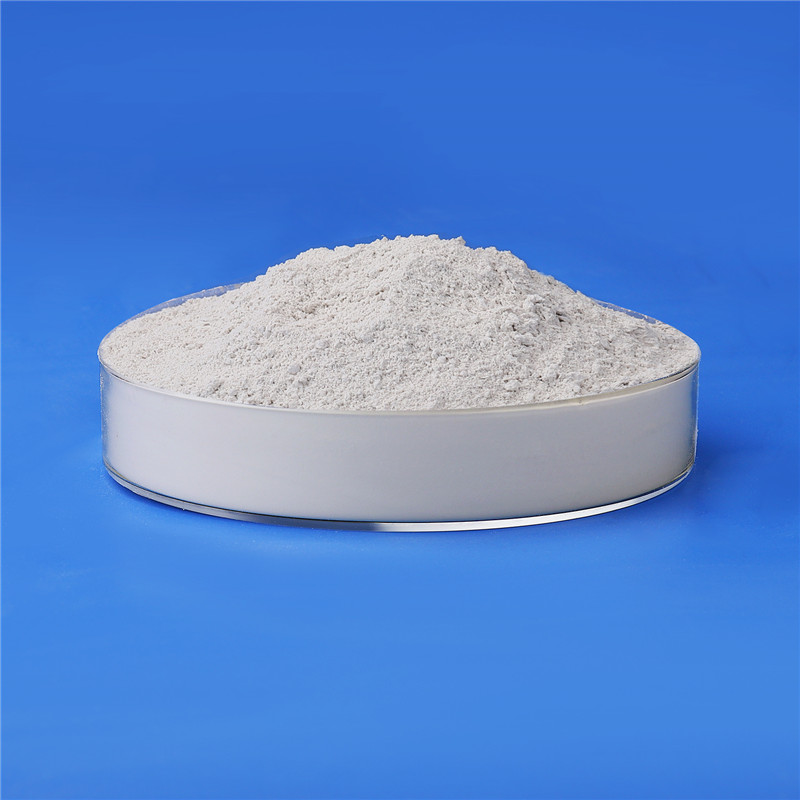
Biodegradable surfactant powderis an eco-friendly surface-active agent derived mainly from natural plant-based raw materials, such as coconut oil, palm oil and glucose. Unlike traditional chemical surfactants that persist in the environment, this powdered product can be completely decomposed by microorganisms in soil and water after use. It has become a core green material replacing conventional synthetic surfactants in modern cleaning, cosmetic and industrial fields.
The powder features excellent surface activity and stable physical properties. It can effectively reduce water surface tension, produce rich and fine foam, and achieve outstanding decontamination, emulsification and wetting effects. Its powdered form offers obvious advantages over liquid surfactants, including easier storage, lower transportation costs and longer shelf life. It is also highly compatible with other raw materials, making it suitable for diversified product formulation.
The most valuable characteristic of biodegradable surfactant powder is its environmental safety. It contains no harmful phosphorus, heavy metals or toxic residues, and will not cause eutrophication or ecological pollution. During natural degradation, it breaks down into carbon dioxide and water without damaging aquatic ecosystems or soil environments. Additionally, it is mild and non-irritating to human skin, greatly improving the safety of daily cleaning products.
With the growing global emphasis on environmental protection and sustainable development, biodegradable surfactant powder is widely used in laundry detergents, dishwashing powders, personal care products and industrial cleaning agents. Balancing powerful cleaning performance and environmental friendliness, it has become an essential raw material for green manufacturing and continues to promote the upgrading of low-carbon chemical industries.
As buildings become better insulated, quieter, and more airtight, less air is exchanged naturally through gaps around windows and doors. In homes, moisture, odors, and carbon dioxide may build up in bathrooms, walk-in closets, and storage rooms. Similar issues can occur in offices, meeting rooms, retail spaces, and service rooms as a result of occupancy and everyday activities.
Improving indoor air quality cannot depend solely on opening windows or running fans continuously at high speed. Natural ventilation is affected by outdoor weather, noise, and air quality, while excessive mechanical ventilation may increase electricity consumption, system noise, and heating or cooling loads.
A more practical approach is to establish a stable and controllable airflow path based on the function of each space and its actual ventilation demand.
Inline duct fansare installed within ductwork and can be used for supply air, extract air, or general air movement. They can be connected to one or more air terminals and installed above suspended ceilings, in service areas, or in other concealed locations. This makes them suitable for centralized residential extract systems and small to medium-sized commercial ventilation applications.
It is important to note that an inline duct fan is only the air-moving component of a ventilation system. Indoor air quality also depends on the position of outdoor air inlets and exhaust points, supply and extract airflow rates, airflow direction, filtration, and regular maintenance. Installing an extract fan alone is not the same as providing a complete mechanical ventilation system with outdoor air supply.
Residential and Commercial Inline Duct Ventilation Applications
Actual Airflow Depends on System Resistance
The maximum airflow stated on a fan nameplate or in product documentation is normally measured under specified test conditions. It does not necessarily represent the actual airflow after the fan is connected to a duct system.
As air moves through ductwork, it must overcome resistance created by duct length, elbows, transitions, dampers, grilles, filters, silencers, and other components. As system resistance increases, the actual operating point may move further away from the published maximum airflow.
For this reason, an inline duct fan should not be selected solely by its connection diameter or maximum airflow rating. The required design airflow, total system pressure loss, and the fan performance curve should all be considered.
Common inline duct fan designs include mixed-flow and centrifugal configurations. Mixed-flow fans generally combine useful airflow and pressure capability in a compact design, making them suitable for many circular duct systems with moderate resistance.
Centrifugal inline fans typically provide greater pressure capability and are often better suited to longer duct runs, systems with multiple bends, or applications that include filters and other resistance-producing components. The final selection should always be based on the required operating point rather than the fan type alone.
Inline Duct Fan Design and Airflow
Blauberg’s inline duct fan range covers both circular and rectangular duct systems, with mixed-flow, centrifugal, EC-driven, and acoustically insulated configurations available. These options allow the fan to be matched to project requirements for airflow, static pressure, installation space, and control.
Ventilation Requirements Vary by Application
In residential buildings, inline duct fans can be used for bathroom extract, moisture removal, and the ventilation of walk-in closets and storage rooms. A single fan may also serve several bathrooms or auxiliary spaces as part of a centralized extract system.
Residential applications usually place greater emphasis on nighttime noise, compact installation, low-airflow operation, and convenient maintenance access.
In kitchens, general room ventilation must be distinguished from grease-laden cooking exhaust. Standard inline fans intended for comfort ventilation should not be used directly for airstreams containing grease, elevated temperatures, or highly corrosive substances.
Where grease, high temperatures, or corrosive gases are present, the fan, ductwork, and cleaning and maintenance strategy must be selected specifically for those operating conditions.
Commercial buildings often experience wider variations in occupancy and operating hours. Offices and meeting rooms may require ventilation rates that respond to the number of occupants. Retail stores and training spaces need to accommodate changing visitor levels, while washrooms, stockrooms, and service rooms may require continuous extract or odor control.
Standard comfort-ventilation products should not be applied directly to industrial dust, flammable or explosive atmospheres, high-temperature air, or highly corrosive airstreams. Such applications require equipment selected according to the characteristics of the conveyed air, applicable safety requirements, and the necessary protection rating.
EC Speed Control Supports Demand-Controlled Ventilation
Traditional duct fans often operate at a fixed speed or with only a limited number of speed settings. When ventilation demand is low, maintaining a high airflow may waste electricity and increase heating or cooling losses. When occupancy or humidity rises, a fixed airflow may no longer be sufficient.
EC motors use electronic commutation and allow fan speed to be adjusted in response to a control signal. When the fan and control system are properly selected, airflow can be reduced during low-demand periods and increased when ventilation demand rises.
When humidity, carbon dioxide, or other indoor air quality sensors are integrated into the system, fan speed can be adjusted according to predefined setpoints. For example, extract airflow can increase when bathroom humidity rises, ventilation can be boosted as more people enter a meeting room, and airflow can be reduced during unoccupied periods.
The purpose of demand-controlled ventilation is not to operate the fan continuously at full speed, but to provide the required airflow while avoiding unnecessary overventilation.
Constant-airflow or constant-pressure operation also requires suitable sensors, controllers, and control logic. These functions cannot be achieved simply by using an EC motor. EC technology provides the basis for continuous speed control, but the overall energy performance of the system still depends on the fan operating point, duct resistance, control strategy, and operating hours.
Low-Noise Operation Depends on the Whole System
Installing an inline duct fan away from occupied areas can reduce the direct impact of fan noise, but it does not guarantee a quiet ventilation system.
Actual sound levels are also affected by fan speed, operating point, duct dimensions, air velocity, bend locations, structural vibration, and the design of grilles and diffusers.
Undersized ducts, excessive air velocity, sharp bends close to the fan inlet or outlet, and abrupt changes in duct cross-section can all generate additional aerodynamic noise. An oversized fan that is heavily throttled with dampers may also create unnecessary energy consumption and noise.
During installation, the inlet and outlet conditions recommended by the manufacturer should be maintained wherever possible. The fan should be securely supported, with vibration-isolating connections used where necessary. Adequate access should also be provided for cleaning, inspection, and component replacement.
In systems located close to bedrooms, hotel rooms, or office areas, acoustically insulated fan housings or silencers may be used where appropriate. However, these measures cannot compensate for incorrect airflow calculations or unsuitable duct sizing.
Moving from Fan Selection to System Matching
Inline duct fans provide a flexible solution for moving air through residential and commercial buildings, but ventilation performance is not determined by the fan alone.
The design process should begin by defining the function of the space and its ventilation requirements. The duct-system resistance can then be calculated so that the required airflow, static pressure, acoustic performance, and control method can be specified.
For applications with long operating hours or significant load variation, EC speed control and sensors can be used to adjust fan output as demand changes. For simpler spaces with predictable usage patterns, adding an unnecessarily complex control system may offer limited practical benefit.
Fan selection, duct layout, controls, installation, and maintenance all influence the final performance. Matching the fan operating point to the actual system helps improve the indoor environment while keeping ventilation energy use under reasonable control.
As energy storage systems continue to move toward higher capacity and energy density, effective thermal management is becoming increasingly important for battery safety, performance and long-term reliability.
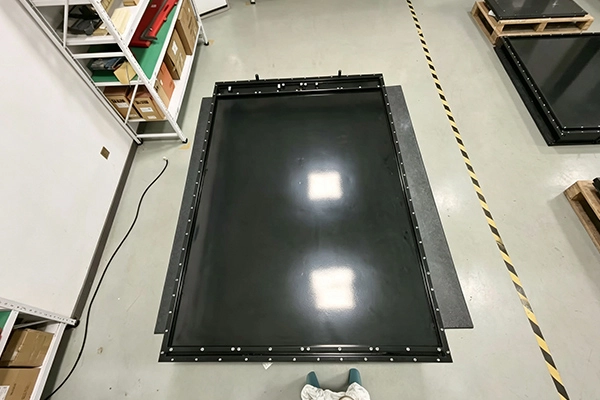
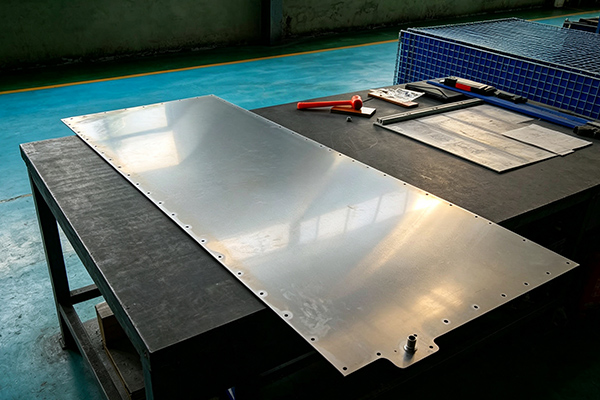
Designed specifically for 587Ah large-capacity prismatic battery cells, the 587 ESS Cooling Plate provides an efficient liquid cooling solution for commercial, industrial and utility-scale energy storage systems. By controlling battery temperature and improving temperature uniformity, it helps ESS modules maintain stable performance during demanding charge and discharge cycles.
Designed for 587Ah High-Capacity Battery Cells
The 587 ESS Cooling Plate is manufactured from AL3003MOD aluminum alloy, combining high thermal conductivity with lightweight construction, mechanical strength and corrosion resistance.
The cooling plate is produced using precision stamping and high-temperature vacuum brazing technology. This integrated manufacturing process provides a robust structure and reliable sealing performance, making the plate suitable for continuous operation in demanding ESS environments.
Its internal coolant channels are carefully designed to promote uniform coolant distribution across the heat-transfer surface, improving heat removal and minimizing localized temperature accumulation.
Excellent Temperature Uniformity
For large-capacity battery modules, maintaining consistent cell temperature is critical to overall system performance.
The 587 ESS Cooling Plate is designed to maintain a temperature difference of less than 2.1°C under specified test conditions. Improved temperature uniformity helps reduce thermal gradients between cells, supporting more consistent battery operation and helping mitigate temperature-related performance degradation over extended operating cycles.
By providing efficient and balanced heat dissipation, the cooling plate contributes to the overall thermal stability and reliability of the battery module.
Reliable Quality and Flexible Integration
To ensure cooling plate reliability, Trumony applies strict quality control procedures, including helium leak detection and pressure testing to verify sealing integrity.
The cooling plate can also be customized according to different battery module and ESS integration requirements, including:
· Inlet and outlet positions
· Flow channel configuration
· Overall dimensions
· Interface structure
· Surface insulation coating
· Mounting features
This flexibility allows the 587 ESS Cooling Plate to be integrated into different large-capacity battery module designs.
A Reliable Cooling Solution for Large-Scale ESS
Combining AL3003MOD aluminum alloy, optimized coolant channels, precision stamping and vacuum brazing, the 587 ESS Cooling Plate provides a practical balance of thermal performance, structural reliability and integration efficiency.
For 587Ah battery modules and large-scale ESS applications, reliable liquid cooling can help maintain temperature consistency, support stable battery operation and improve long-term system reliability.
Trumony provides customized liquid cooling solutions for high-capacity battery modules and energy storage systems, from cooling plate design and tooling to prototyping and mass production.
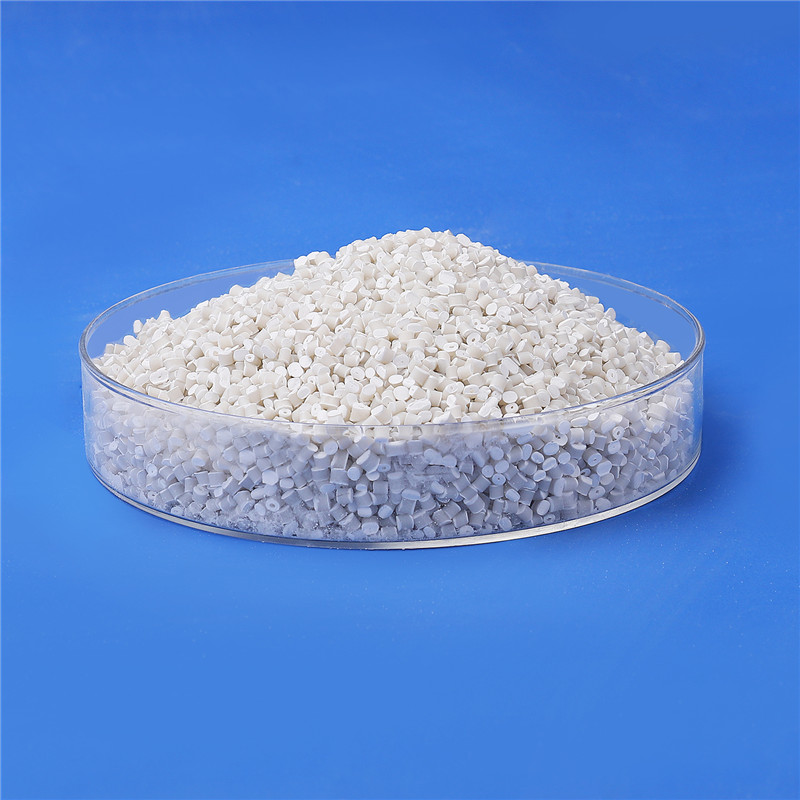
Vegan sodium fatty acidrefers to plant-derived sodium salts of fatty acids, a sustainable and cruelty-free alternative to traditional animal-based counterparts. Unlike conventional versions sourced from animal fats, this ingredient is exclusively extracted from renewable vegetable oils such as coconut, palm, and sunflower oils, making it fully compliant with vegan and vegetarian standards. It has gained massive popularity in clean beauty, food manufacturing, and daily chemical industries in recent years.
This plant-based ingredient boasts outstanding functional properties. It acts as a mild surfactant, emulsifier, and stabilizer with excellent cleansing and foaming abilities. It can effectively remove skin sebum and surface pollutants while maintaining gentle texture, avoiding irritation to human skin and hair. Besides, it features great water dispersibility and formulation compatibility, blending well with various raw materials to stabilize product texture and extend shelf life.
Environmental friendliness is its core advantage. Vegan sodium fatty acid is non-toxic, biodegradable, and leaves no persistent chemical residues in nature, far more eco-friendly than synthetic chemical surfactants. It is widely applied in vegan soaps, skincare creams, hair care products, and healthy food additives, meeting the growing market demand for green and ethical consumer goods.
In conclusion, vegan sodium fatty acid combines practical functionality, plant-based sustainability, and environmental safety. As consumers prioritize cruelty-free and eco-friendly products, it will continue to be an essential ingredient driving the upgrade of green industrial formulations.
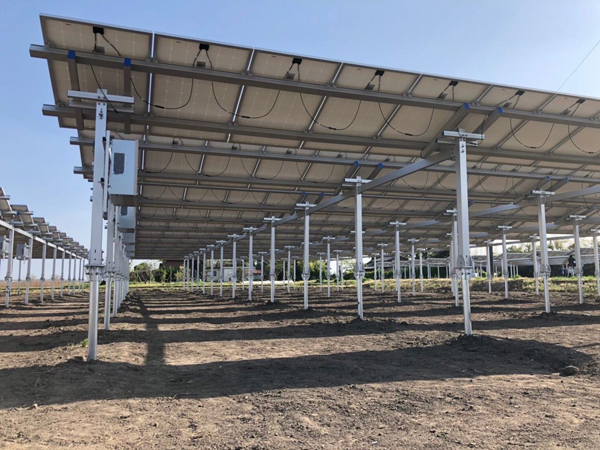
With the rapid development of renewable energy, agricultural solar mounting systems have played an important role in increasing crop yields and reducing energy costs. However, although these systems have been applied in many farmlands, there are still some areas that need to be improved to further improve their efficiency, sustainability and economy. The following will discuss the main improvement needs of agricultural solar mounting systems.
1. Economy and cost-effectiveness
The initial investment in agricultural solar mounting systems is relatively high, which may be a major obstacle for some farmers to adopt them. In order to improve economy, manufacturers can consider developing more affordable materials and designs. In addition, the government and relevant agencies should provide more subsidies and funding to reduce farmers’ investment risks and encourage them to adopt solar solutions.
2. Convenience of installation and maintenance
Existing agricultural solar mounting systems often require the assistance of professionals during installation and maintenance, which increases the burden on farmers. To improve this, designing simpler systems can reduce the complexity of installation. At the same time, the convenience of maintenance should be taken into account, such as designing a bracket structure that is easy to clean and repair, reducing the time and cost required for regular maintenance.
3. Flexibility and adaptability
Different agricultural environments and climatic conditions have a huge impact on the performance of solar support systems. Current systems are often inflexible in design and difficult to adapt to diverse agricultural needs. Future designs should take into account the characteristics of different crops, such as height, light requirements, etc., and provide more suitable solutions based on different geographical locations and climatic conditions. Adjustable angle and height designs will help maximize the capture of sunlight.
4. Enhanced durability
Agricultural conditions (such as wind, rain, temperature changes, etc.) may cause damage to solar support systems. Therefore, it is crucial to improve the weather resistance and corrosion resistance of support materials. The development and use of more durable lightweight materials can reduce the failure rate of the system under harsh conditions and extend its service life. In addition, strengthening the system’s wind resistance to ensure stability in strong winds is also crucial to protecting investments.
A water cooling plate, also known as a liquid cold plate, is an efficient thermal management component designed to remove heat from high-power electronic and industrial equipment. By using circulating liquid coolant instead of relying solely on air convection, water cooling plates provide more efficient and uniform heat transfer for applications with high and concentrated heat loads.
How Does a Water Cooling Plate Work?
A water cooling plate is typically manufactured from high-thermal-conductivity materials such as aluminum or copper and incorporates precision-engineered internal flow channels. Depending on the application and cooling requirements, these channels can be designed with different geometries to optimize coolant flow, heat transfer performance, and pressure drop.
During operation, the cooling plate is installed in close thermal contact with heat-generating components such as power electronics, servers, industrial equipment, and new energy vehicle battery cells or modules. Heat is transferred from the component into the cooling plate and then absorbed by the circulating coolant flowing through the internal channels.
The heated coolant carries the thermal energy away from the heat source and transfers it to a radiator, chiller, or other external heat exchanger. The cooled liquid is then recirculated through the cooling plate, creating a continuous liquid cooling cycle.
Water-based coolants are particularly effective because of their relatively high specific heat capacity, allowing them to absorb a significant amount of thermal energy with a relatively small temperature increase.
Key Advantages of Water Cooling Plates
Compared with conventional air-cooled heat sinks and fans, liquid cooling plates offer several important advantages for high-power thermal management.
High Heat Transfer Efficiency
Liquid coolant can transfer heat much more effectively than air, making water cooling plates suitable for high heat flux and high-power applications. Efficient heat removal helps maintain components within their target operating temperature range.
Uniform Temperature Control
A properly designed internal channel structure distributes cooling across the heat-generating area, helping reduce temperature differences and minimize localized hot spots. This is particularly important for battery thermal management, where excessive temperature variation can affect performance, aging, and safety.
Compact and Space-Efficient Design
Liquid cooling provides higher heat removal capability within a relatively compact footprint. This enables cooling systems to meet increasingly demanding thermal requirements without significantly increasing equipment size.
Low Operating Noise
Unlike systems that depend heavily on high-speed fans, liquid cooling plates can operate with significantly less airflow-related noise. This makes them suitable for applications where acoustic performance is important.
Flexible Design and Integration
Water cooling plates can be customized in terms of dimensions, flow channels, inlet and outlet locations, mounting features, material selection, and thermal interface requirements. This allows them to be integrated into a wide range of equipment and battery architectures.
Applications of Water Cooling Plates
Water cooling plates are widely used in applications where conventional air cooling cannot provide sufficient thermal performance.
Typical applications include:
· Electric vehicle battery packs
· Energy storage systems (ESS)
· Data centers and high-performance computing
· Power electronics and IGBT modules
· Industrial laser systems
· Welding and power conversion equipment
· High-power semiconductor devices
· Other high-heat-flux industrial equipment
For EV and ESS battery packs, liquid cooling plates can be installed beneath, between, or alongside battery cells depending on the battery architecture. The cooling structure can be engineered to provide consistent thermal performance while meeting requirements for pressure resistance, leak tightness, weight, and packaging space.
Water Cooling Plate Manufacturing and Performance
The performance of a liquid cold plate depends not only on the coolant but also on the design and manufacturing quality of the plate itself. Important engineering considerations include thermal conductivity, channel geometry, coolant flow rate, pressure drop, contact area, flatness, leak tightness, and structural strength.
For aluminum cooling plates, manufacturing processes such as stamping, extrusion, machining, vacuum brazing, and friction stir welding can be selected according to the required structure and production volume.
For battery thermal management applications, additional requirements may include:
· Low temperature difference across the cooling surface
· Controlled coolant flow distribution
· Low pressure drop
· High air/water tightness
· Resistance to internal pressure
· Dimensional and flatness control
· Compatibility with battery pack assembly processes
A well-engineered cooling plate therefore needs to balance thermal performance, hydraulic performance, mechanical reliability, manufacturability, and cost rather than simply maximizing heat transfer.
Water Cooling Plates for EV and ESS Battery Thermal Management
As battery energy density and charging power continue to increase, effective thermal management has become increasingly important for electric vehicles and energy storage systems.
In EV battery packs, liquid cooling plates help control battery temperature during high-current charging, acceleration, and other demanding operating conditions. In large-scale ESS applications, cooling plates help maintain consistent cell temperatures across battery modules, supporting reliable operation and long-term system performance.
For these applications, the cooling plate is not simply a heat dissipation component. It is an integral part of the battery thermal management system (BTMS) and must be designed together with the battery cell configuration, coolant circuit, module structure, and overall pack architecture.
Conclusion
Water cooling plates provide an efficient and compact solution for thermal management in high-power applications. By combining high-performance liquid heat transfer with optimized channel design and application-specific engineering, liquid cold plates can effectively control operating temperatures, reduce thermal stress, and improve the reliability of modern electronic, automotive, and energy storage systems.
For EV batteries, ESS, power electronics, and other high-heat-load applications, selecting the appropriate water cooling plate design, material, manufacturing process, and coolant configuration is essential to achieving reliable long-term thermal performance.
As Liquid Cooling Gains Momentum, Why Does Air Cooling Still Matter?
The rapid growth of artificial intelligence, high-performance computing and cloud services is driving server power density to new levels. In AI infrastructure in particular, rack power continues to rise, making thermal management a critical factor in data center availability and operational stability.
Liquid cooling has therefore attracted increasing attention. Technologies such as direct-to-chip cold-plate cooling and immersion cooling can remove heat more directly from high-heat-flux components, including CPUs and GPUs, making them important solutions for increasingly dense computing environments.
However, the growth of liquid cooling does not mean that air cooling is becoming obsolete. In real-world data centers, thermal management strategies vary according to server type, facility design and operational requirements. Liquid cooling may remove most of the heat generated by processors and accelerators, but other server components, network equipment, storage systems and supporting electronics may still depend on airflow.
Air-side systems are also needed to control room temperature and humidity, maintain appropriate air circulation and manage the heat that remains outside the liquid-cooling loop.
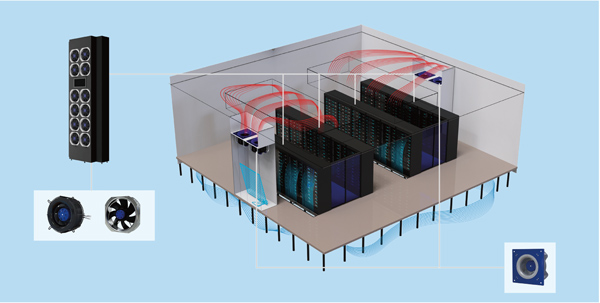
Liquid cooling therefore changes how heat is transferred, rather than eliminating the need for air-side thermal management. As a key component of air-handling systems, EC centrifugal fans continue to play an important role in environmental control, auxiliary cooling and airflow management across the data center.
Liquid and Air Cooling Working Together to Build Efficient Data Center Cooling Systems
From High-Volume Air Delivery to Precision Airflow Management
Traditional data centers commonly use CRAC units—computer room air conditioners—or CRAH units—computer room air handlers—to supply conditioned air to server areas. Historically, many systems were designed around relatively high airflow rates and operated continuously to maintain acceptable room temperatures.
As facilities grow larger and IT loads become more dynamic, fixed operating strategies are becoming less suitable for precise thermal management. In hybrid environments where liquid and air cooling operate together, the role of the air-side system is also changing.
Fans are no longer expected simply to move large volumes of air. They must respond to changes in IT load, room temperature and system pressure, delivering airflow where and when it is needed. Airflow can be reduced in lower-load zones and increased in areas with higher thermal demand, helping distribute cooling capacity more effectively.
This creates a broader set of requirements for fan technology. Fans must provide stable airflow, overcome the resistance of filters, cooling coils and ductwork, and remain efficient across a wide operating range.
EC centrifugal fans are well suited to these requirements. Their static-pressure capability, compact design and variable-speed control make them suitable for CRAH units, precision cooling equipment and other data center air-handling applications that require stable operation and flexible control.
EC Technology Enables More Responsive Operation
Data center cooling systems operate around the clock, which means fan energy consumption can make a meaningful contribution to total facility power demand.
In fixed-speed AC fan arrangements, airflow is often adjusted through dampers or other system components. When cooling demand falls, the fan may continue operating at or near full speed, while part of the available energy is lost through throttling.
EC motors provide a more direct and flexible approach to airflow control. EC fans can be speed-controlled and integrated into a building management system or cooling control platform through interfaces such as 0–10 V, PWM and Modbus communication.
When the IT load decreases, fan speed can be reduced. When cooling demand rises, the control system can increase fan speed and airflow accordingly. This demand-based approach can lower energy consumption and reduce unnecessary operation at full load.
For data centers running continuously throughout the year, controllable and efficient fan operation also supports long-term reliability by reducing avoidable mechanical and thermal stress.
Reliability Matters Even More in Hybrid Cooling Environments
Future data center cooling architectures are unlikely to rely exclusively on either liquid cooling or air cooling. A hybrid approach is more practical for many facilities.
High-power AI servers may use liquid cooling to remove most of the heat generated by CPUs and GPUs. Conventional servers, storage equipment, network devices and auxiliary electronics may continue to depend on air cooling. Air-handling systems will also remain responsible for maintaining room temperature, humidity and overall airflow conditions.
Air-side equipment must therefore provide more than cooling capacity. It must also support operational continuity and system resilience.
A modular fan array, often referred to as a FanGrid or fan wall, uses multiple EC centrifugal fans operating in parallel. The number of active fans and their operating speeds can be adjusted according to real-time demand.
When one fan requires maintenance, the remaining units can continue to provide essential airflow, depending on the redundancy designed into the system. This modular architecture can improve serviceability and reduce the risk associated with a single large fan.
It also makes future expansion easier. Fan capacity can be planned or upgraded in stages as IT loads and cooling requirements evolve.、
Modular FanGrid Solutions Improve System Reliability and Maintainability
Data Center Fan Selection Is About More Than Airflow
In data center applications, fan selection should never be based on maximum airflow alone.Engineers must also consider available static pressure, efficiency at partial load, control and communication capabilities, motor protection, acoustic performance and access for maintenance. The selected fan should also operate reliably across the expected system curve rather than at a single nominal duty point.
These factors collectively determine how the cooling system performs over its full service life. For mission-critical infrastructure operating continuously, the value of a fan lies not only in peak performance, but also in long-term stability, controllability and maintainability.
Fan manufacturers such as Blauberg Motoren are continuing to develop EC fan technologies with higher efficiency, greater integration and more advanced control capabilities. For data center cooling, air-handling units and precision climate-control equipment, Blauberg Motoren offers EC centrifugal fans across a range of sizes and performance levels.
Available options can include communication control, enhanced ingress protection and integrated operating safeguards, giving equipment manufacturers greater flexibility when designing and integrating cooling systems.
Redefining the Role of Air Cooling
The evolution of data center cooling is not a simple transition from air cooling to liquid cooling. It is a move toward more efficient combinations of technologies, selected according to heat density, equipment design and operating conditions.
Liquid cooling is well suited to removing heat from high-power processors and accelerators. Air cooling continues to support other electronic components, room-level environmental control and overall system balance. The two technologies are complementary rather than mutually exclusive.
For EC centrifugal fans, future value will extend beyond moving air. These fans will increasingly connect cooling performance with energy management, intelligent control, redundancy and system reliability.
Air cooling will not disappear in the liquid-cooling era. Instead, it will become more targeted, more responsive and more closely integrated into the overall data center thermal-management strategy.
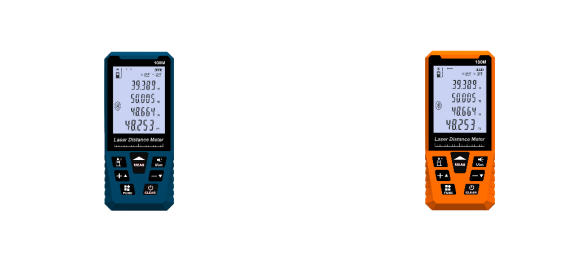
In the world of precision measurement, accuracy and reliability are paramount. As a premier laser distance meter factory, HOLO Precision Instrument has established itself as a leading manufacturer with over 15 years of experience in designing and producing cutting-edge measurement tools. Our commitment to “high performance, high quality, and high value” drives every product that leaves our facility, serving industries ranging from construction and interior design to fire emergency and engineering surveying across more than 20 countries worldwide.
The Power of Angle Measurement
What sets HOLO laser distance meters apart is their sophisticated angle measurement capability. Our devices, including the popular D series, are equipped with advanced inclination sensors that enable a comprehensive range of angular functions. This feature transforms a simple distance meter into a versatile surveying instrument capable of:
● Inclination angle measurement
● Horizontal and vertical distance measurement for complex layouts
● Height difference calculation without climbing or reaching
● Indirect measurement via Pythagorean functions to determine distances that are physically inaccessible
Uncompromising Accuracy and Performance
HOLO laser distance meters utilize phase-based laser ranging technology, a sophisticated method that modulates laser frequency and measures phase differences to deliver millimeter-level precision. With measurement ranges available from 30 to 120 meters and accuracy of ±1.5mm /±2mm, our devices provide reliable data that professionals can trust.
Our comprehensive series—including the E, X, Y, RG, R, D, P and G lines—offers diverse configurations to meet varied application needs. Key technical specifications include:
From fire emergency response to construction stakeout, HOLO distance meters are engineered for demanding environments. The angle measurement function proves invaluable in scenarios such as:
● Fire scene safety assessment – measuring fire point height and safe distances quickly and accurately-1
● Architectural layout – calculating spans between any two points in space
● Interior design and renovation – taking indirect measurements around obstacles
● Large equipment installation – ensuring proper alignment and positioning
Factory-Direct Quality and Value
As an original manufacturer, HOLO offers a distinct advantage: premium direct supply without middleman markups. Every unit undergoes rigorous quality control, including calibration and extreme-condition testing for drop resistance, waterproofing (IP54), and temperature stability. Our OEM and ODM services provide flexible customization options, from measurement ranges to data interfaces (Bluetooth) and private labeling.
Conclusion: Precision You Can Count On
HOLO laser distance meters with built-in angle measurement represent the convergence of precision engineering and practical functionality. Whether you are a contractor, surveyor, or DIY enthusiast, our instruments deliver the accuracy, durability, and versatility needed to complete projects efficiently and confidently.
Choose HOLO—where precision meets innovation, straight from the factory.
For more information about our complete product line and OEM services, contact HOLO Precision Instrument today.
Surfactant powder is one of the most essential raw materials in the modern detergent industry. As a type of fine chemical product with unique surface activity, it serves as the core functional ingredient of various laundry powders, dishwashing detergents and industrial cleaning agents, laying a solid foundation for efficient cleaning performance.
The core function of surfactant powder lies in reducing the surface tension of water. During the cleaning process, its molecular structure can combine with both water and oil stains. It effectively separates grease, dust and dirt from fabric surfaces or hard surfaces, disperses contaminants in water, and prevents stains from re-adhering to cleaned objects. This powerful emulsifying, wetting and dispersing ability makes it irreplaceable in detergent production.
Detergent-specific surfactant powder boasts excellent adaptability and stability. Most commercial products feature high purity, good water solubility and strong anti-hard water performance, which can maintain stable cleaning effects in different water quality environments. In addition, modern low-irritation and biodegradable surfactant powders comply with environmental protection standards, reducing skin irritation and environmental pollution compared with traditional chemical detergents.
With the upgrading of the cleaning industry, surfactant powder technology keeps improving. Manufacturers continuously optimize its formula to enhance cleaning power while reducing production costs. Widely applied in household cleaning and industrial washing fields, it greatly improves cleaning efficiency, meets people’s demands for efficient and green cleaning products, and drives the sustainable development of the global detergent industry.
As grid-scale energy storage systems continue to evolve toward higher energy density, greater capacity and longer service life, effective thermal management has become essential for maintaining battery safety, performance and reliability.
Designed specifically for 1P104S high-voltage battery modules, the 104S ESS Cold Plate provides a reliable liquid cooling solution for containerized, commercial and utility-scale energy storage systems.
Designed for 1P104S High-Voltage Battery Modules
The cold plate is manufactured from high-thermal-conductivity AL3003MOD aluminum alloy and produced using precision stamping and high-temperature brazing processes.
This manufacturing approach combines:
High thermal conductivity
Lightweight construction
Strong mechanical rigidity
Excellent corrosion resistance
Reliable long-term performance
The internal flow channels are engineered and optimized through thermal and fluid-flow simulation to promote uniform coolant distribution across the entire heat-transfer surface, helping minimize localized heat accumulation.
Stable Temperature Control Under 0.5C Conditions
Thermal performance is critical for large-capacity ESS battery modules.
Under standard 0.5C charge-discharge conditions, the 104S ESS Cold Plate keeps the maximum cell temperature below 35°C, while maintaining a module-wide temperature difference of less than 2°C.
Excellent temperature uniformity helps reduce thermal gradients between cells, supporting more consistent battery operation and helping mitigate temperature-related degradation over long operating cycles.
Simplified Integration for ESS Applications
The 104S ESS Cold Plate features standardized dimensions and robust flange-type fluid interfaces, simplifying module assembly and system-level integration.
Depending on project requirements, additional surface treatments can also be provided for electrical insulation and enhanced corrosion protection, making the cooling plate suitable for demanding outdoor ESS environments.
Reliable Cooling for Large-Scale ESS
By combining optimized flow-channel design, AL3003MOD aluminum alloy, precision stamping and high-temperature brazing, the 104S ESS Cold Plate delivers a balance of thermal performance, structural reliability and integration efficiency.
For megawatt-level energy storage systems, reliable temperature control can contribute to safer operation, improved battery performance and lower long-term maintenance requirements.
Trumony provides customized liquid cooling solutions for high-capacity battery modules, helping ESS manufacturers meet the evolving thermal management requirements of next-generation energy storage systems.