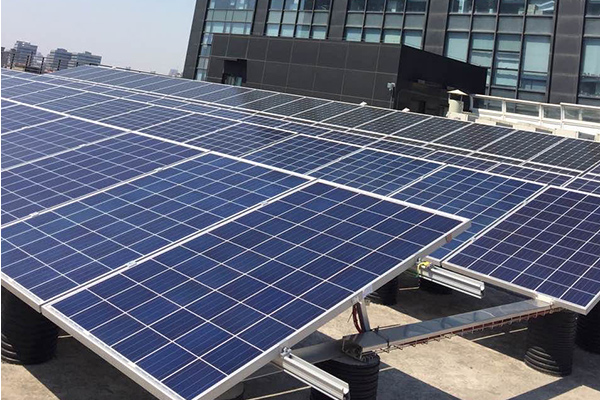
As the global push for green agriculture intensifies, Haihong’s agricultural solar mounting systems emerge as a game-changing solution, seamlessly blending renewable energy generation with efficient farmland utilization. Founded in 2011, Jiangyin Haihong New Energy Technology has established itself as a leader in photovoltaic mounting solutions, with its agricultural series gaining international acclaim for durability, versatility, and eco-friendliness.
Crafted from high-grade materials including aluminum 6005-T5, carbon steel Q235B, and SUS304 stainless steel, these systems boast exceptional resilience against harsh agricultural environments. Withstanding wind loads up to 60 m/s and snow loads of 1.4 kN/㎡, they ensure 25 years of reliable operation backed by a 10-year warranty, certified by CE, SGS, and ISO standards . The lightweight, pre-assembled design enables quick installation, reducing labor costs by 30% while minimizing disruption to farming activities .
What sets Haihong’s system apart is its adaptive design for agri-photovoltaic complementation. Offering customizable light transmittance (60%-70%) and adjustable tilt angles (0°-30°), it optimizes crop growth conditions while maximizing solar energy output . The elevated structure (2.5-3.5 meters) accommodates agricultural machinery and livestock movement, realizing “one land, dual harvests”—crop production alongside clean energy generation . This integration not only cuts farmers’ energy costs but also provides additional revenue through grid-connected power sales .
Trusted globally, Haihong’s agricultural mounting systems have been deployed in projects across Europe, Asia, and Africa, supporting the transition to sustainable farming. By merging precision engineering with environmental stewardship, Haihong continues to drive the agri-energy revolution, empowering farmers to embrace both productivity and sustainability.
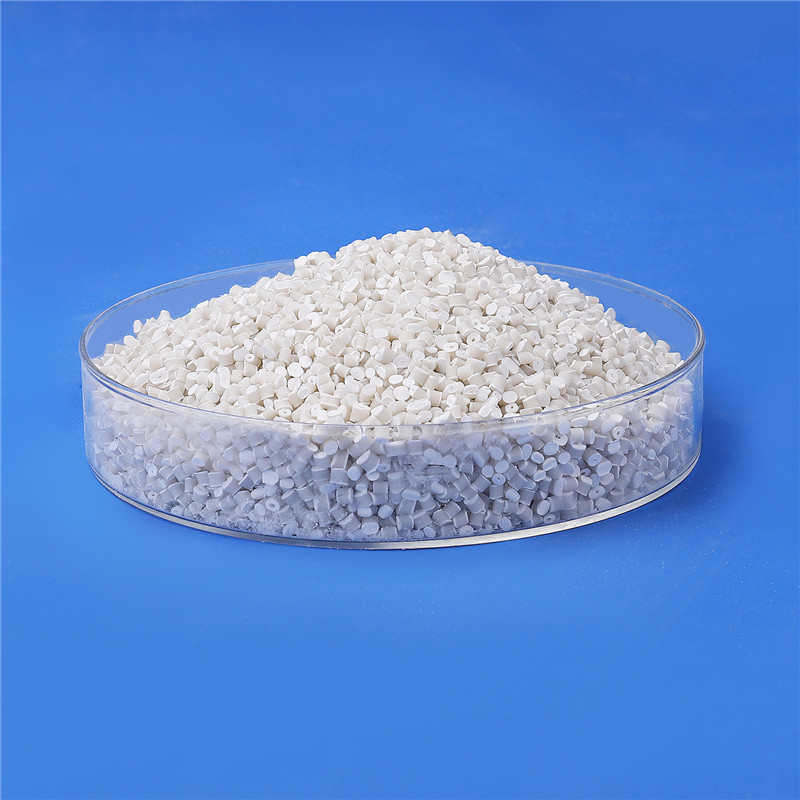
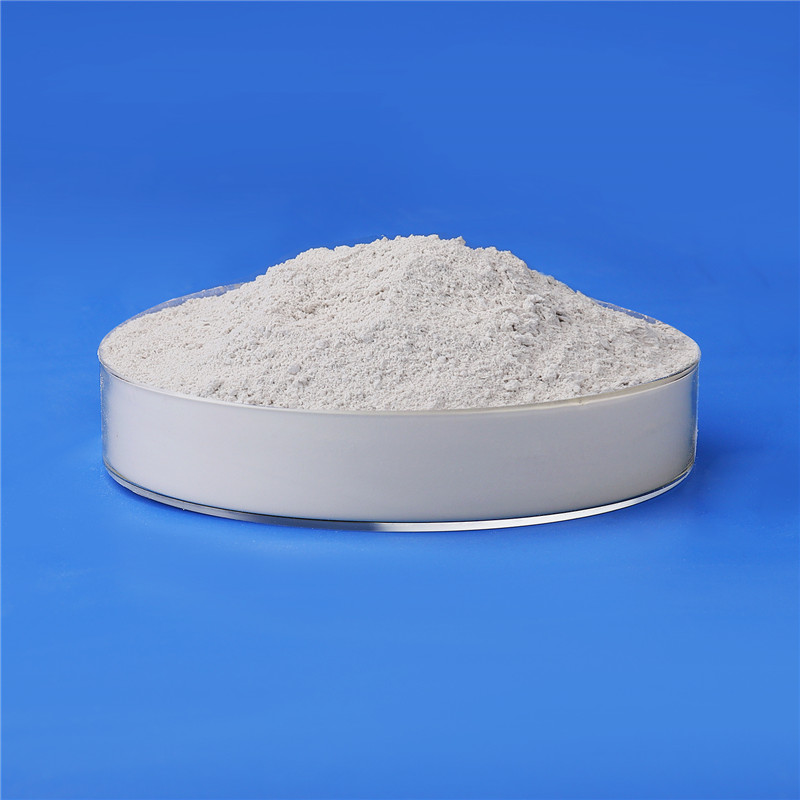
Thermoplastic Elastomers are widely used in automotive parts, electronics, medical devices, and consumer goods for their flexibility and recyclability. However, unpleasant odors from TPE—caused by volatile organic compounds from raw materials, processing aids, or thermal degradation—have long plagued manufacturers and end-users. No Smell TPE Deodorant emerges as a revolutionary solution, eliminating odors at the source while preserving material performance.
This advanced deodorant operates through dual mechanisms: chemical neutralization and physical adsorption. Its active ingredients, such as zinc ricinoleate and high-purity adsorbents, react with odor-causing molecules like aldehydes, sulfides, and amines, converting them into non-volatile, harmless substances. Unlike masking agents that only cover smells temporarily, it penetrates TPE matrices to block VOC emission, ensuring long-lasting deodorization. Critically, it maintains TPE’s original mechanical properties—elasticity, tensile strength, and processability—without introducing harmful additives.
Tailored for industrial scalability, No Smell TPE Deodorant integrates seamlessly into production workflows. Added at 3‰-5‰ of raw material weight, it mixes uniformly during extrusion or injection molding, requiring no equipment modifications. It addresses key pain points: reducing odor levels to meet strict standards like DIN 10955 (odor class ≤2) and VDA 278 for automotive applications, and complying with environmental regulations for low VOC emissions.
From children’s toys and medical catheters to automotive interiors and electronic casings, this deodorant enhances product quality and user experience. Its eco-friendly formulation is biodegradable, non-toxic, and free of heavy metals, aligning with sustainable manufacturing trends. By eliminating unpleasant smells and ensuring compliance, No Smell TPE Deodorant empowers manufacturers to unlock new opportunities in high-end, odor-sensitive markets, redefining the standard for premium TPE products.
On December 12, 2025, the Ministry of Commerce and the General Administration of Customs jointly issued Announcement No. 79, deciding to implement export license management for certain steel products starting from January 1, 2026. This marks the re-implementation of the steel export license management system in China after a 16-year hiatus since its cancellation in 2009, signifying a new stage in China’s steel export management. The China Iron and Steel Association stated that the current inclusion of steel products under export license management by the state is an important measure to guide the standardized export of steel products and promote the high-quality development of the steel industry, which is conducive to maintaining the global steel supply and demand pattern and trade balance.
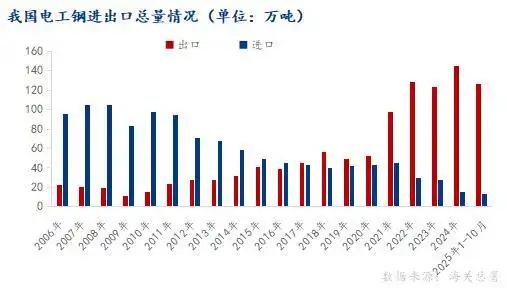
The total export volume of silicon steel in China has been continuously increasing in recent years. It is not difficult to see from the trend of China’s silicon steel import and export volume that the import volume of silicon steel in China has been decreasing year by year, while the export volume has been increasing year by year. Before 2017, the net export volume of silicon steel in China was negative, but since 2017, the net export volume has been positive, especially in 2021, when the total export volume saw a leap in growth. Data shows that the total export volume was 977,600 tons in 2021, 1,287,500 tons in 2022, 1,231,400 tons in 2023, 1,447,200 tons in 2024, and is estimated to be 1,550,000 tons in 2025.
From the perspective of exporting countries, the top exporters in the past two years have been India, Mexico, Italy, Vietnam, Turkey, Brazil, South Korea, the United States, and the United Arab Emirates, among others.
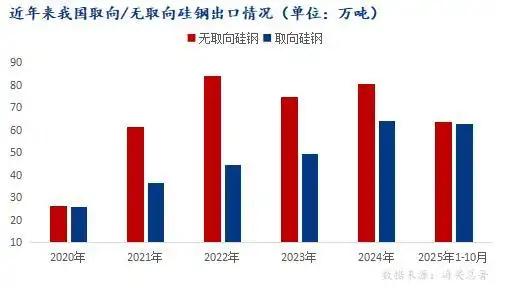
There is still a significant disparity in the export volumes of oriented and non-oriented silicon steel, with oriented silicon steel being overly dependent on exports.
According to statistics, in 2024, China’s total exports of non-oriented silicon steel were 805,200 tons, and those of oriented silicon steel were 642,500 tons, representing year-on-year growth of 7.8% and 29.85% respectively. From January to October 2025, China’s cumulative exports of non-oriented silicon steel were 637,300 tons, and those of oriented silicon steel were 628,800 tons, showing a year-on-year decline of 3.79% and an increase of 14.93% respectively. In terms of imports, China’s total silicon steel imports in 2024 were 148,900 tons, and from January to October 2025, they were 135,000 tons, among which non-oriented silicon steel imports were 51,500 tons and oriented silicon steel imports were 83,500 tons. It is evident from the latest export data of non-oriented and oriented silicon steel that their volumes are almost equal, while the supply of non-oriented silicon steel is nearly five times that of oriented silicon steel. This indicates that there is still a significant disparity in their foreign trade volumes, and it is clear that oriented silicon steel is overly dependent on direct exports.
According to relevant research data, China’s exports of non-oriented silicon steel account for about 6% of its production, while those of oriented silicon steel account for about 20%. Looking at the export proportions of other cold-rolled steel products, cold-rolled steel accounts for about 9%, galvanized steel about 27%, color-coated steel about 30%, and tinplate about 35% or more. Compared with the export proportions of other steel downstream derivatives, the export proportion of silicon steel varieties is relatively low. The reasons for the disparity between oriented and non-oriented silicon steel exports are mainly as follows:
Fluctuations in global market demand and intensified competition.
The international demand for non-oriented silicon steel is significantly influenced by the global economic cycle. For instance, in 2023, the global export volume of non-oriented silicon steel dropped by 11.39% year-on-year to 747,000 tons, partly due to the sluggish demand in downstream industries such as motor manufacturing, where purchases were made on a just-in-time basis, thereby curbing export growth. Meanwhile, China is facing competition from traditional silicon steel producers like Japan and South Korea, which have technological advantages in high-end grades, thus limiting China’s share of the international market.
Excessive domestic capacity growth and price pressure.
In recent years, China’s capacity for non-oriented silicon steel has continued to increase, with new production lines expanding supply. Since 2023, domestic prices of non-oriented silicon steel have shown a volatile but stable trend. The oversupply situation has led enterprises to prioritize the domestic market. From January to October 2025, the cumulative export volume declined by 3.79% year-on-year, reflecting the pressure to balance capacity release and domestic demand absorption. The downward trend in prices has also weakened export competitiveness, and since 2012, China has been subject to anti-dumping measures by countries like Brazil and India, further affecting its exports. In contrast, the domestic price of oriented silicon steel HIB has dropped significantly this year, while the price in Europe and the United States is more than twice as high, giving China an advantage in exports.
Overseas industrial chain layout and downstream industry transfer.
The export destinations of non-oriented silicon steel are highly concentrated. For instance, markets like Vietnam and the United States have demand, but are affected by local production or trade policies. In 2024, the export volume to Vietnam was approximately 88,000 tons, a year-on-year increase of nearly 40%, but the overall share remains limited. It is known that some domestic downstream motor enterprises have gradually moved overseas to countries such as Thailand, Vietnam, and Malaysia. As a result, China’s direct exports of non-oriented silicon steel have gradually shifted to semi-finished assembly parts (such as laminations, stators, and rotors), which has indirectly reduced direct exports of non-oriented silicon steel. Please provide the text you would like translated.
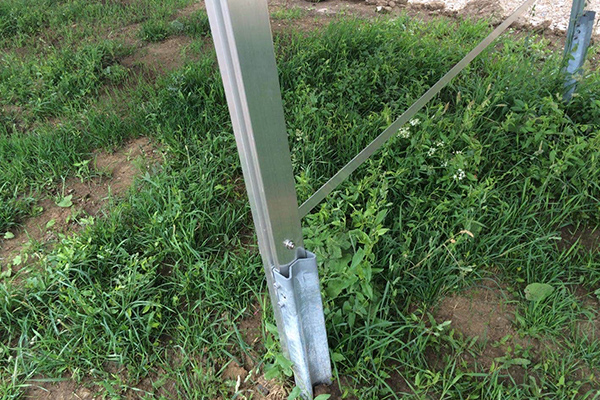
As the global shift toward clean energy accelerates, ground solar mounting systems have emerged as a cornerstone of large-scale solar installations, offering unmatched flexibility and efficiency. Unlike rooftop systems constrained by space and structure, these ground-based solutions optimize solar capture while adapting to diverse terrains, driving the $37.3 billion market’s steady growth at a 4.7% CAGR through 2034 .
The core product lineup caters to varied needs: fixed-tilt systems, the most cost-effective option, excel in stable regions with simplified installation . Single-axis trackers boost efficiency by 15-25% by following the sun’s east-west path, while dual-axis models achieve up to 30% more output with full 360° adjustment—ideal for high-latitude areas . Advanced foundations, from concrete bases for permanence to eco-friendly ground screws requiring no excavation, ensure stability across soil types, from deserts to slopes . Frames crafted from aluminum or galvanized steel offer corrosion resistance and durability, meeting 25-year service life standards .
Key advantages set these systems apart: optimal panel orientation maximizes energy yield, while ground-level access simplifies maintenance and cleaning . Modular designs enable seamless scalability, supporting residential setups to gigawatt-scale solar farms. Innovative “solar+” integrations, such as agrivoltaics (combining solar with farming), enhance land utilization and profitability . Smart tech integration, including IoT monitoring and AI-driven load adaptation, optimizes performance and reduces operational costs .
Compliant with global safety standards, these systems thrive in utility-scale projects, off-grid installations, and regions with limited rooftop space. Backed by easy installation, low long-term maintenance, and alignment with carbon reduction goals, ground solar mounting systems empower businesses and communities to harness renewable energy efficiently. As nations ramp up renewable targets, investing in these versatile solutions unlocks sustainable growth while tapping into a market projected to reach $59.5 billion by 2034 .
TPE car floor mats have gained widespread popularity for their environmental friendliness, durability and easy cleaning, but odor issues caused by volatile organic compounds (VOCs) have long plagued both manufacturers and consumers. The TPE Car Floor Mat Odorless Agent emerges as a targeted solution, addressing the root cause of unpleasant smells while preserving the material’s inherent advantages.
This innovative additive operates through a dual mechanism of physical adsorption and chemical decomposition. Its porous aluminum-silicon inorganic composition boasts a high specific surface area of 400-600 m²/g, effectively trapping odor-causing molecules such as residual monomers, processing aids and thermal degradation byproducts . It then converts harmful substances like amines and sulfides into non-toxic compounds, eliminating odors at the source rather than merely masking them. Notably, it maintains stability under high-temperature processing conditions up to 300℃, making it compatible with injection molding and extrusion processes without compromising performance .
Designed for seamless integration, the odorless agent features excellent dispersion with a particle size of only 2-3μm, blending uniformly with TPE materials without affecting surface gloss or mechanical strength . It significantly reduces VOC emissions, lowering odor levels to grade 1 standards while adhering to environmental certifications such as RoHS and FDA . For consumers, this means TPE car floor mats remain free of pungent smells even after prolonged exposure to sunlight or high temperatures, creating a healthier in-vehicle environment—especially beneficial for families with children and the elderly .
Manufacturers benefit from its ease of use, requiring no production equipment modifications and supporting 100% material recyclability . Compatible with various TPE formulations, it addresses odors from raw material residues, processing degradation and additive volatilization . As the automotive industry prioritizes eco-friendly and user-centric products, this odorless agent becomes a key enabler for high-quality TPE car floor mats, enhancing market competitiveness while promoting sustainable manufacturing practices.
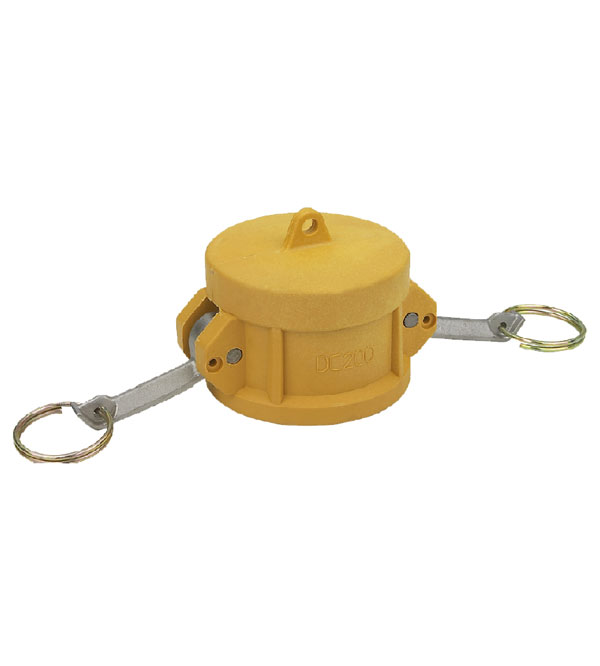
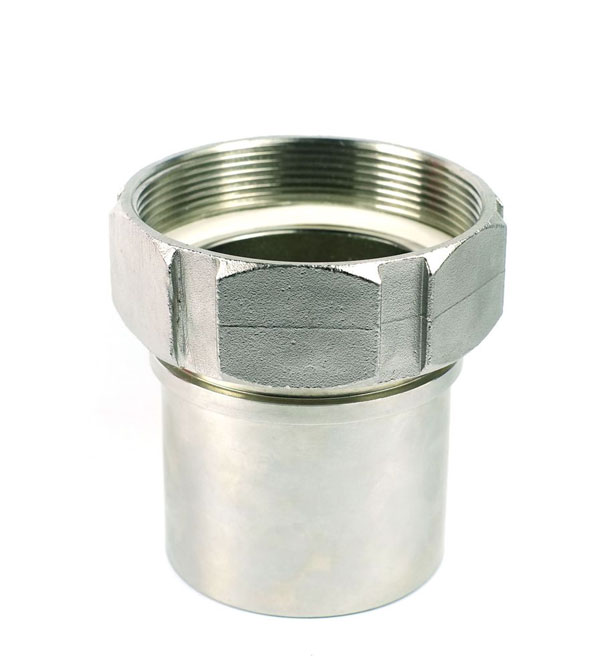
In large-scale transfer operations, pressure drop translates directly into pumping energy costs. K&G Machinery designs its Camlock couplings with flow efficiency in mind. Unlike restrictive couplings, our standard design maintains a full, smooth bore that aligns with the hose ID, creating minimal turbulence. The key factors affecting pressure drop are the coupling’s internal diameter, surface roughness, and any abrupt changes in flow path. Our electropolished sanitary couplings offer the lowest friction. For critical high-flow applications, we can provide computational fluid dynamics (CFD) analysis of your specific configuration. As a rule of thumb, the pressure drop across a properly sized K&G coupling is negligible compared to the hose itself. Properly designing your system with adequate pipe/hose sizing and minimizing 90-degree bends is more impactful for overall efficiency.
As a key product of Jiangyin Haihong New Energy Technology Co., Ltd., the Haihong Flat Roof Mounting System stands out as a trusted choice for solar installations worldwide. Engineered with precision and durability in mind, this system addresses the core needs of commercial, industrial, and residential solar projects seeking efficient roof-mounted solutions.
Crafted from high-quality materials including 6005-T5 aluminum alloy and Q235B carbon steel, the system boasts exceptional corrosion resistance through anodized surface treatment, ensuring a 25-year service life and a 10-year warranty . Its robust design handles extreme weather conditions, withstanding wind loads up to 60 m/s and snow loads of 1.4 kN/m², making it adaptable to diverse climatic zones . Compliance with global certifications such as CE, SGS, and ISO standards guarantees operational safety and product reliability.
The system’s modular and foldable design simplifies transportation, storage, and installation. With maximum pre-assembly and compatible clamping accessories, it enables quick setup without extensive roof penetration, preserving roof integrity while ensuring stability . Its flexibility shines in accommodating both framed and frameless solar panels, with adjustable tilt angles (0–60 degrees) to optimize sunlight absorption and energy output .
Ideal for warehouses, office buildings, greenhouses, and public facilities, the Haihong Flat Roof Mounting System maximizes unused roof space for renewable energy generation . It supports customization for different project scales and roof types, from concrete bases to metal sheets, while minimizing labor costs through efficient installation . By merging sustainability, durability, and practicality, this system empowers businesses and homeowners to embrace solar energy with confidence, driving the transition to clean power.
TPE (Thermoplastic Elastomer) car mats are favored for their eco-friendliness, durability, and flexibility, but odor issues can mar the driving experience and even affect health. Mastering TPE car mats odor removal requires understanding root causes, adopting targeted solutions, and embracing preventive habits for long-term freshness.
Odors primarily stem from volatile organic compounds (VOCs) released by TPE components like rubber oil, plasticizers, or residual processing chemicals—VOC elimination for TPE mats is thus central to deodorization. High temperatures in vehicles accelerate VOC emission, while poor storage, moisture buildup, or low-quality additives worsen the problem. Distinguish normal “new material smell” (fades in 1-3 days) from harmful odors (persistent, pungent, or worsening after sun exposure) to choose the right TPE mat deodorization approach.
Practical TPE car mats odor removal methods start with ventilation—air out mats outdoors for 2-3 days to let VOCs dissipate naturally. Activated carbon or zeolite sachets placed under mats absorb odor molecules effectively, a cost-efficient step in TPE mat deodorization, though they need regular replacement. For deeper cleaning, wipe mats with a 1:1 vinegar-water solution (test on a small area first) to neutralize smells and kill bacteria without damaging TPE. Avoid harsh cleaners; opt for mild detergents and air-dry thoroughly to prevent moisture-related odors. Stubborn cases may require professional TPE car mats odor removal services using advanced VOC-elimination technology.
Prevention complements VOC elimination for TPE mats. Choose reputable brands with SGS-tested, food-grade TPE materials to avoid low-quality additives that cause persistent odors. Regularly clean mats and use car shades to avoid prolonged sun exposure, which exacerbates VOC release. Store unused mats in cool, ventilated spaces to maintain freshness before installation.
By integrating these TPE mat deodorization techniques and preventive measures, you can fully enjoy TPE car mats’ benefits without unpleasant smells, preserving a healthy and comfortable in-car environment for years.
Tile roof solar mounting systems have emerged as a critical enabler for rooftop solar adoption, addressing the unique challenges of fragile tile roofs while delivering reliability and performance. Designed for clay, concrete, and slate tile structures—common in residential and commercial buildings worldwide—these specialized systems balance structural integrity, weathertightness, and easy installation.
At their core, modern mounting systems feature advanced hardware that eliminates tile damage. Proprietary designs like rail-less brackets and adjustable tile hooks attach directly to roof rafters or decking without removing tiles, distributing solar panel loads evenly to structural members . High-grade 304 or 316 stainless steel components ensure corrosion resistance, with 316 grade mandatory for coastal environments to guarantee 30+ year lifespans . Integrated EPDM washers and moldable flashing kits create watertight seals, complying with NHBC Standards and ICC building codes to prevent water infiltration .
Key advantages include universal compatibility and efficiency. Adjustable height brackets (1.0–2.5 inches) accommodate diverse tile profiles, while UL 2703 certified hardware ensures compliance with fire safety and electrical bonding requirements . Installation is streamlined—professional teams complete setups without tile removal, reducing labor time by 30% compared to traditional methods . These systems withstand extreme weather, with wind uplift resistance of 150–300 lbs per hook and durability against thermal cycling and snow loads .
Aligning with global clean energy trends, these mounting systems support the $31.67 billion solar roof-mount market growth . They integrate seamlessly with bifacial and high-efficiency modules, optimizing rooftop space utilization while preserving roof aesthetics. For homeowners and businesses, they offer long-term value: solar panels shield tiles from UV damage, extending roof life, while policy incentives like the Inflation Reduction Act enhance ROI .
As rooftop solar expands, tile roof mounting systems stand out as a safe, compliant, and cost-effective solution. By combining innovative design with robust materials, they unlock the solar potential of tile roofs worldwide, driving the transition to sustainable energy.
Is your facility slowed down by rusty, seized, or time-consuming threaded connections? Retrofitting with K&G Machinery Camlock couplingsis a high-ROI upgrade. Benefits: Drastically reduce connection time, eliminate the need for pipe wrenches and sealants, and improve safety by minimizing worker strain and exposure. Process: 1. Audit: Identify target connections with high changeover frequency. 2. Select Adapters: Choose K&G Type D (male thread to Camlock) or Type C (female thread to Camlock) adapters to mate with your existing threads. 3. Install: Simply screw the adapter onto the existing threaded pipe—use thread sealant compatible with your fluid. 4. Implement: Attach the corresponding Camlock coupling to the hose end. The transformation is immediate. We’ve helped plants cut line changeover time by over 70%, paying back the investment in weeks.