Blog
-

Low Volatility Deodorizing Agents: Long-Lasting, Low-Irritation Solutions for Odor Control
Unpleasant odors—from household waste, pet dander, industrial emissions, or public spaces—disrupt comfort and pose hidden risks, as many traditional deodorizers rely on high-volatility compounds that fade quickly or irritate skin/respiratory systems. Low volatility deodorizing agents (LVDAs) address these flaws, emerging as a game-changer in odor management by balancing long-lasting efficacy with minimal environmental and health impacts.At their core, LVDAs work by slowing the release of active odor-neutralizing components—unlike high-volatility alternatives that evaporate rapidly. These active ingredients vary by use case: plant-derived extracts (e.g., tea polyphenols, citrus terpenes) bind to odor molecules (such as ammonia or hydrogen sulfide) to break them down; microbial enzymes accelerate the decomposition of organic odor sources; and synthetic (slow-release) compounds form a stable film that gradually interacts with unwanted scents. Their low volatility ensures the active components stay concentrated at the odor source for 24–48 hours, rather than dispersing into the air within hours.Compared to conventional deodorizers, LVDAs offer three key advantages. First, their extended efficacy reduces the need for frequent reapplication—critical for high-traffic areas like hotels, garbage disposal sites, or pet shelters. Second, their low evaporation rate minimizes airborne irritants, making them safe for sensitive groups (e.g., children, allergy sufferers) and enclosed spaces (e.g., cars, offices). Third, many LVDAs use biodegradable active ingredients and non-toxic carriers, aligning with eco-friendly trends unlike chemical-heavy, high-volatility products that may contaminate air or water.LVDAs find applications across sectors. In households, they are added to laundry detergents, carpet cleaners, and pet litter to target persistent odors. In industry, they are integrated into wastewater treatment plants and food processing facilities to mitigate industrial fume odors. In public spaces, they are used in air fresheners and restroom cleaners that require long-term odor control without harsh fumes.As demand for safe, sustainable odor solutions grows, LVDAs are evolving—with innovations like smart-release formulas that adjust efficacy based on odor concentration, and plant-based blends that enhance biodegradability. In short, LVDAs are not just deodorizers; they represent a shift toward smarter, gentler odor management that prioritizes both performance and well-being.
-
How to Connect and Disconnect Camlock Couplings Safely
Camlock couplings are designed for safety and efficiency, but only when used correctly. Improper operation can lead to sudden releases, spills, and workplace injuries. This step-by-step guide will ensure you and your team handle Camlock couplings safely every time.
Before You Begin: Essential Safety Precautions
-
Personal Protective Equipment (PPE): Always wear appropriate PPE, including safety glasses, gloves, and chemical-resistant clothing if handling hazardous media.
-
Depressurize the Line: Before connecting or disconnecting, ensure the system is fully depressurized and the line is drained if possible.
-
Inspect the Coupling: Check for damage, worn cam arms, cracks, or a damaged/missing O-ring. Never use a defective coupling.
-
Check Compatibility: Ensure the two couplers are designed to connect (e.g., Type A to Type B) and are made of compatible materials for the fluid.
How to CONNECT a Camlock Coupling: A Step-by-Step Guide
Step 1: Align
Hold the Type A (Male) Adapter and the Type B (Female) Coupler straight and align them. Ensure the lugs on the male end line up with the openings on the female coupler.Step 2: Insert
Push the male adapter fully into the female coupler until it seats completely. The base of the male adapter should be flush against the face of the female coupler.Step 3: Lock
Grab the cam arms (levers) on the female coupler’s collar. Pull them down firmly until they are in the fully locked position. You should hear or feel a distinct “click” or positive lock.Step 4: Verify
After locking, perform a tug test. Gently try to pull the two halves apart to confirm they are securely locked. Slowly introduce pressure to the system and check for any leaks.(Image/Video Suggestion: A short GIF or video showing the smooth motion of insertion and locking would be highly effective here.)
How to DISCONNECT a Camlock Coupling: A Step-by-Step Guide
Step 1: Depressurize and Drain
This is the most critical safety step. Fully depressurize the system and drain any residual fluid from the line. Be aware that fluid may be released during disconnection.Step 2: Unlock
Lift the cam arms on the female coupler to their fully upright and unlocked position.Step 3: Separate
Pull the two halves straight apart. If they are stuck, do not use excessive force. Check that the system is fully depressurized and that the cam arms are completely unlocked.Step 4: Cap (If not in use)
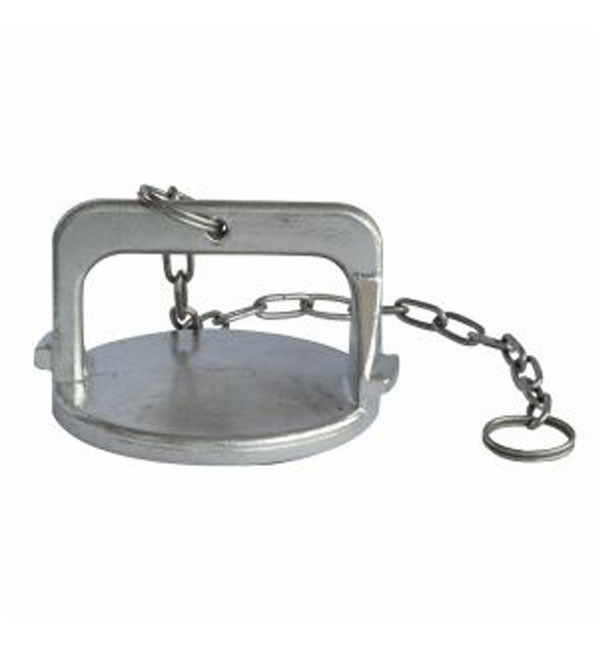
Immediately cap open ends with Type M (Blanking Plugs) and Type DP (Dust Plugs) to prevent contamination and damage.What NEVER to Do
-
NEVER try to connect or disconnect under pressure.
-
NEVER use a hammer, pipe, or other tool for extra leverage on the cam arms.
-
NEVER modify, weld, or alter a coupling.
-
NEVER force a connection if the halves don’t align easily.
-
-
Low Volatility Deodorizing Agent: An Efficient and Eco-Friendly Odor Solution
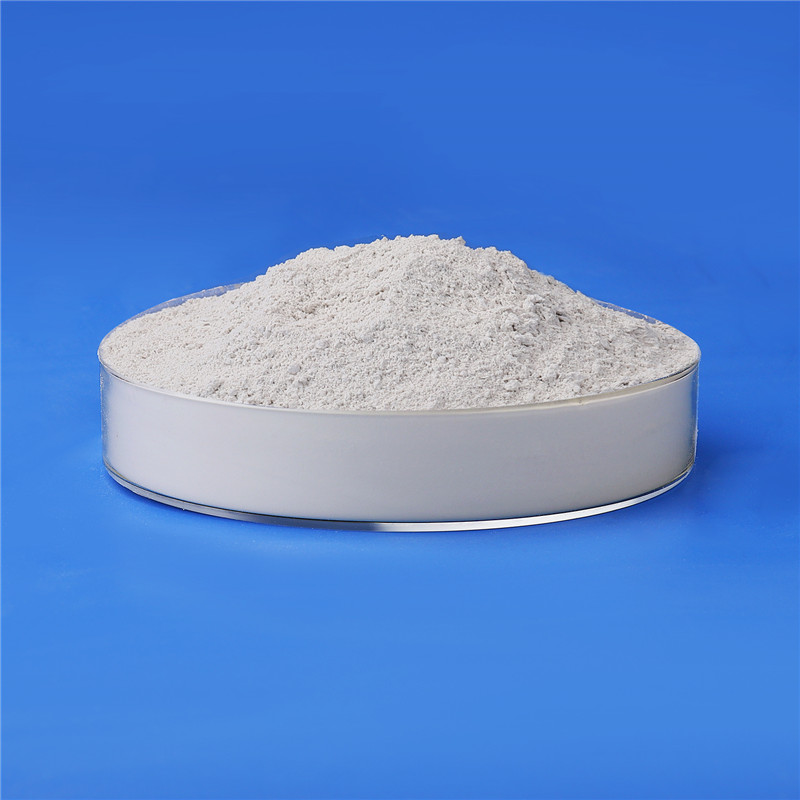
Low Volatility Deodorizing Agent (LVDA) is a innovative odor-control product designed to address the limitations of traditional deodorizers. Unlike conventional options that rely on high-volatility components (such as alcohol or strong fragrances) to temporarily mask smells, LVDA features low vapor pressure, ensuring long-lasting efficacy and minimal environmental impact.
The core advantage of LVDA lies in its working mechanism. Instead of just covering odors, it targets odor-causing molecules (like ammonia, hydrogen sulfide, and volatile fatty acids) through chemical adsorption or enzymatic decomposition. Its low volatility means active ingredients remain stable on surfaces or in air for extended periods—often 2–3 times longer than traditional deodorizers—without evaporating into the atmosphere and causing secondary pollution. For instance, in household use, LVDA-based sprays can keep bathrooms or kitchens odor-free for up to 48 hours, compared to 12–16 hours for regular products.
LVDA also finds wide applications in industrial and public sectors. In waste treatment plants, it is mixed into compost to neutralize rotten odors without releasing harmful volatile organic compounds (VOCs). In public spaces like hospitals or schools, LVDA-based air fresheners are preferred for their mildness, as they do not irritate sensitive groups such as patients or children.
Moreover, LVDA aligns with global environmental trends. With stricter regulations on VOC emissions, its low volatility reduces air pollution risks, making it a sustainable choice for both daily and industrial use. As research advances, LVDA is expected to become more cost-effective, further expanding its market potential.
In summary, LVDA combines efficiency, durability, and eco-friendliness, offering a reliable solution to odor problems across various scenarios.
-
Rubber Odor Neutralizer: The Key to Eliminating Unpleasant Rubber Smells
Rubber products are ubiquitous in daily life and industrial settings, from car tires and door seals to yoga mats and industrial hoses. However, a common drawback of these products is the strong, unpleasant odor they emit—often caused by residual chemicals from the rubber vulcanization process, such as sulfur compounds, or volatile organic compounds (VOCs) released from additives. This odor not only affects indoor air quality but can also cause discomfort, such as headaches or respiratory irritation, for people exposed to it long-term. Fortunately, rubber odor neutralizers offer an effective solution to this problem.Unlike ordinary air fresheners that merely mask odors with fragrances, rubber odor neutralizers work by targeting the root cause: they break down odor-causing molecules at a chemical level. Most high-quality neutralizers contain active ingredients like plant-based enzymes, natural oils (such as citrus or pine), or non-toxic chemical agents that react with volatile odor compounds. These reactions transform harmful, smelly molecules into harmless, odorless substances—such as water or carbon dioxide—rather than just covering them up. This ensures a long-lasting odor elimination effect instead of a temporary fix.Rubber odor neutralizers find wide applications across various industries. In the automotive sector, they are used to treat rubber components like tires, gaskets, and interior mats, improving the in-car air quality for drivers and passengers. In the home, they are applied to rubber products such as yoga mats, shoe insoles, or children’s rubber toys, making these items safer and more pleasant to use. In industrial settings, large-scale neutralizer systems are installed in rubber manufacturing plants to purify the air, protecting workers’ health and complying with environmental regulations.Another advantage of modern rubber odor neutralizers is their environmental friendliness and safety. Most products are free of harsh chemicals like formaldehyde or heavy metals, so they do not damage rubber materials or pose risks to human health. They are also easy to use: many come in spray bottles for direct application on rubber surfaces, while industrial versions are integrated into ventilation systems for continuous odor control.As consumers and industries increasingly prioritize air quality and health, the demand for rubber odor neutralizers continues to grow. With ongoing advancements in formula development—such as more efficient, fast-acting ingredients—these products will play an even more important role in making rubber products safer, more comfortable, and more environmentally friendly in the future.
-
Rubber Deodorizer Suppliers: Empowering Odor-Free Rubber Production
Rubber products—from automotive seals and industrial hoses to consumer goods like gloves and footwear—often emit unpleasant odors, stemming from residual volatile organic compounds (VOCs), unreacted monomers, or sulfur-based vulcanization agents. These odors not only harm user experience but may also violate regulatory standards (e.g., EU REACH, U.S. FDA for food-contact rubber). Rubber deodorizer suppliers play a pivotal role in solving this challenge, acting as critical partners for rubber manufacturers aiming to produce high-quality, odor-compliant products.
A reliable rubber deodorizer supplier offers a diverse range of deodorizing solutions tailored to different rubber types and applications. Their core products typically fall into three categories: physical adsorbents (e.g., activated carbon, zeolites) that trap odor molecules; chemical neutralizers (e.g., oxidizing agents, amine scavengers) that react with odorous compounds to eliminate them; and bio-based deodorizers (e.g., plant extracts, enzymes) that offer eco-friendly options for sensitive sectors like medical or food-grade rubber. Suppliers often customize formulations—adjusting concentration, compatibility with rubber matrices (natural rubber, nitrile, EPDM)—to meet clients’ specific needs, such as low toxicity or high-temperature stability during vulcanization.
Beyond product provision, top suppliers deliver end-to-end support to streamline integration. This includes technical consultation (e.g., advising on optimal deodorizer dosage to avoid affecting rubber elasticity), sample testing to validate odor reduction efficacy, and assistance with compliance documentation to meet industry regulations. Many also ensure supply chain reliability, offering consistent inventory and timely delivery—critical for rubber manufacturers with continuous production lines.
In today’s market, where consumers and brands prioritize “clean” products, rubber deodorizer suppliers drive competitiveness. By partnering with them, manufacturers can reduce product rejection rates, expand into high-value markets (e.g., premium automotive interiors, medical devices), and align with sustainability goals (via bio-based deodorizers). As rubber production grows globally, these suppliers remain essential, blending innovation in deodorant technology with customer-centric service to shape a more odor-free industry.