Find Hot

Enterprise hot news

Category: News

  • Carport Solar Mounting System: Merging Functionality and Sustainability

    Carport Solar Mounting System: Merging Functionality and Sustainability

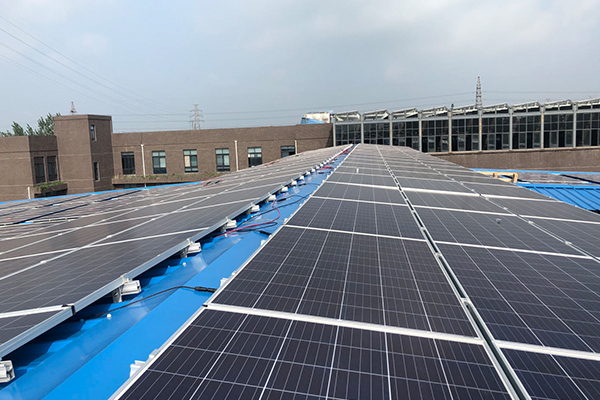
    In the era of growing environmental awareness and rising energy costs, the carport solar mounting system has emerged as a smart solution that combines practicality with renewable energy utilization. This innovative system integrates solar panels into carport structures, turning ordinary parking spaces into mini power stations while providing essential shelter for vehicles.

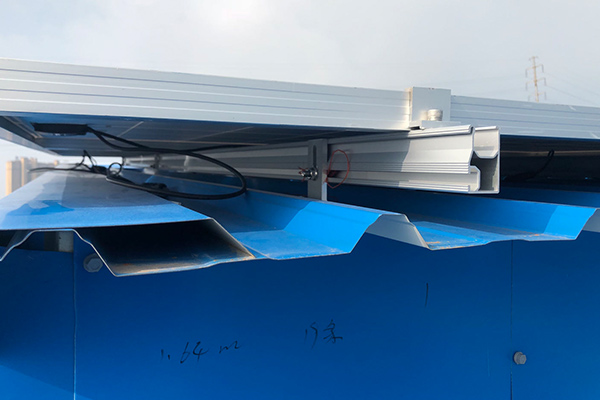
    A typical carport solar mounting systemconsists of durable aluminum or steel frames, high-efficiency solar panels, and secure fixing components. The frames are designed to withstand various weather conditions, such as strong winds and heavy snow, ensuring the safety of both the solar setup and the parked cars. The solar panels, usually installed at an optimal tilt angle, maximize sunlight absorption to generate electricity. This electricity can be used to power nearby facilities like parking lot lights, office buildings, or even fed back into the grid, bringing economic benefits to the users.

    One of the key advantages of this system is its space-saving feature. Instead of occupying additional land for solar farms, it makes full use of existing parking areas, which is particularly valuable in urban areas where land resources are scarce. Moreover, it offers dual benefits: protecting cars from sun, rain, and dust, and producing clean energy to reduce carbon footprints. For businesses, installing such systems also enhances their corporate image as environmentally responsible entities.

    When it comes to installation, professional assessment is crucial. Factors like the size of the parking lot, local sunlight conditions, and load-bearing capacity of the ground need to be considered to ensure the system operates efficiently and safely. With technological advancements, modern carport solar mounting systems are becoming more flexible and easy to maintain, further promoting their popularity.
    In conclusion, the carport solar mounting system is a win-win choice for both individuals and businesses. It not only solves the problem of vehicle shelter but also contributes to the global goal of carbon neutrality, marking a significant step towards a more sustainable future.
  • Odor Control for Thermoplastics: Challenges and Solutions

    Odor Control for Thermoplastics: Challenges and Solutions

    Thermoplastics are widely used in automotive, household appliances, and food-contact applications, but their inherent or process-induced odors often pose challenges to user experience and regulatory compliance. Odor in thermoplastics typically originates from three key sources: residual volatile compounds (e.g., unreacted monomers, solvents), thermal degradation byproducts (such as aldehydes or ketones formed during extrusion or injection molding), and volatile additives (like plasticizers or stabilizers). These odorous substances not only affect product acceptability but may also raise health concerns in enclosed environments.
    Effective odor control for thermoplastics requires a multi-stage approach spanning material selection to post-processing. First, raw material purification is critical: manufacturers can adopt advanced distillation or adsorption techniques to reduce residual monomers in base resins (e.g., polyethylene or polypropylene). Second, optimizing processing parameters minimizes thermal degradation—lowering melt temperatures, shortening residence times, and using vented extruders to remove volatiles during processing.
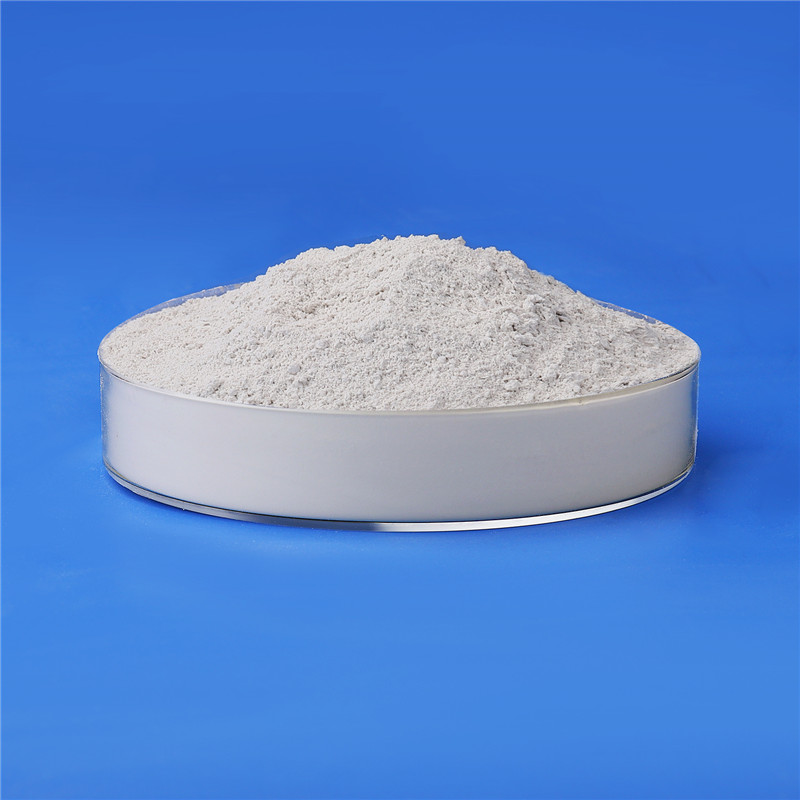
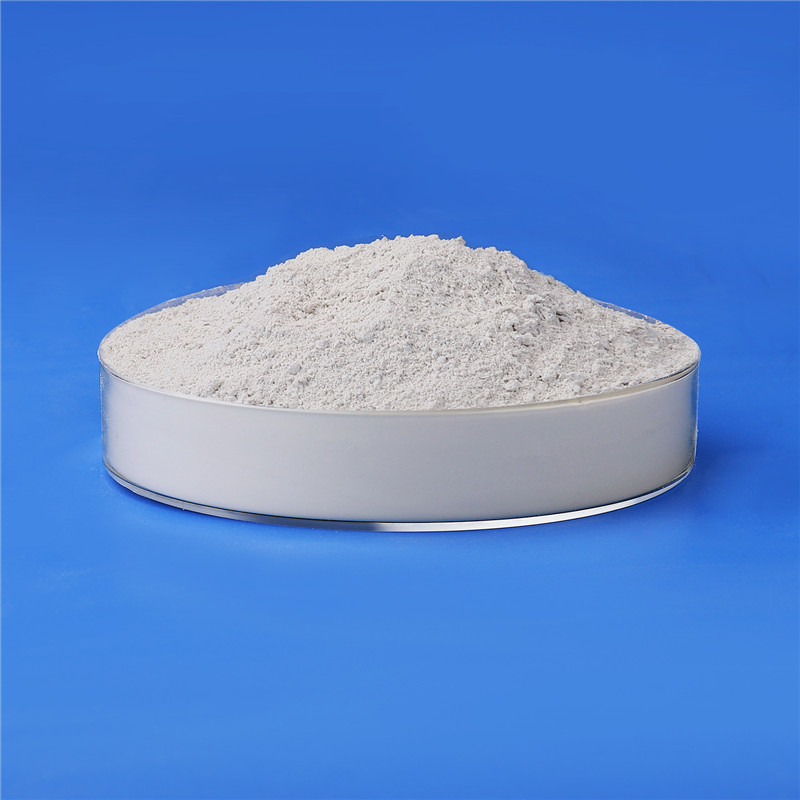
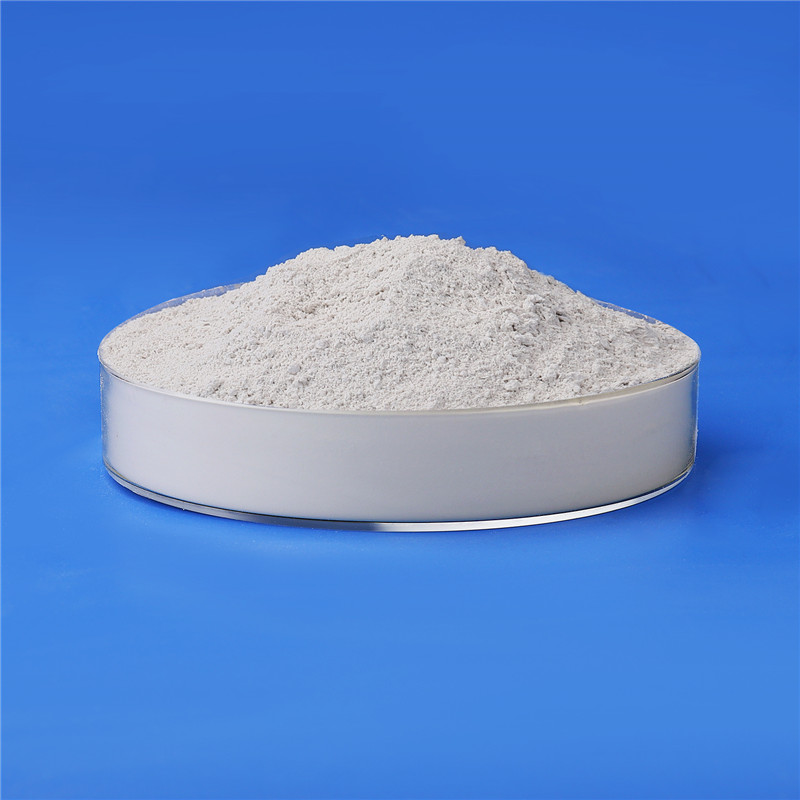
    Additives also play a vital role in odor mitigation. Odor scavengers, such as activated carbon, zeolites, or metal-organic frameworks (MOFs), trap volatile compounds through physical adsorption or chemical reactions. Bio-based additives, like plant extracts, are increasingly favored for their eco-friendliness and ability to mask or neutralize odors without introducing new volatile substances. Additionally, post-processing treatments, such as vacuum degassing or plasma cleaning, further reduce residual odors in finished products.
    Quality control is essential to validate odor control measures. Analytical techniques like gas chromatography-mass spectrometry (GC-MS) quantify volatile organic compounds (VOCs), while sensory evaluation by trained panels assesses subjective odor perception. By integrating these strategies, manufacturers can produce thermoplastics that meet strict odor standards, enhancing product competitiveness in markets like automotive interiors and food packaging.

  • What is a Camlock Coupling? | The Ultimate Guide to Cam & Groove Couplings?

    What is a Camlock Coupling? | The Ultimate Guide to Cam & Groove Couplings?

    What is a Camlock Coupling? A Comprehensive Guide

    If you work in industries like manufacturing, chemical processing, or agriculture, you’ve likely encountered a Camlock coupling. But what exactly is this ubiquitous device, and why has it become the go-to solution for quick and secure fluid transfer? This ultimate guide will explain everything you need to know.

    Introduction to Camlock Couplings

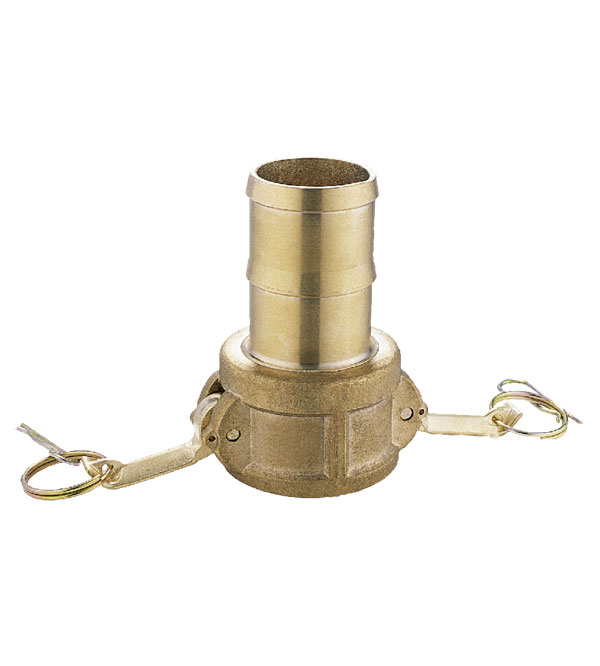
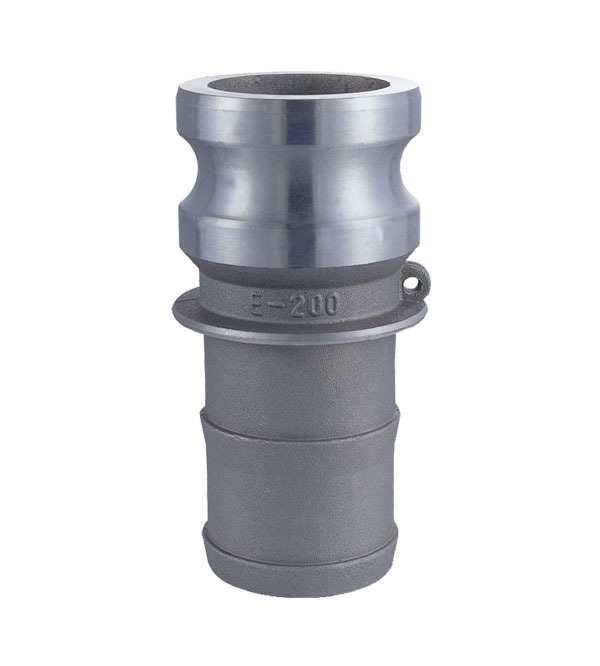
    A Camlock coupling (also known as a cam and groove coupling) is a type of quick-connect fitting designed to join two hoses or a hose to a pipe quickly, securely, and without the need for tools. Its simple yet effective design has made it an industry standard worldwide.

    A Brief History of the Camlock Coupling

    The Camlock coupling was originally developed during World War II to facilitate the rapid transfer of fuel and water. Its efficiency and reliability were quickly recognized, leading to its widespread adoption across countless peacetime industries. The name “Camlock” is often used generically, much like “Kleenex” for tissues, though it originated from specific manufacturers.

    How Does a Camlock Coupling Work?

    The principle behind a Camlock coupling is elegantly simple, relying on a cam-and-groove mechanism.

    1. Connection: The male end (Adapter) of the coupling, which has two lugs, is inserted into the female end (Coupler), which has a deep groove.
    2. Locking: The coupler’s external collar is rotated downward. As it turns, the cams (lever arms) on the collar grab the groove on the adapter and pull the two halves tightly together.
    3. Sealing: An O-ring seated on the male adapter compresses against the female coupler, creating a secure, leak-proof seal.
    4. Disconnection: To disconnect, the cam arms are lifted, releasing the grip on the groove and allowing the two halves to be pulled apart.

    This process takes mere seconds, making operations significantly more efficient than using threaded or bolted connections.

    Key Components of a Camlock Coupling

    Understanding the parts of a Camlock coupling is crucial for selection, use, and maintenance.

    • Male Adapter (Plug): The end with the lugs and an integrated O-ring. It inserts into the female coupler.
    • Female Coupler (Socket): The end with the groove that accepts the male adapter.
    • Collar: The outer ring on the female coupler that houses the cam arms.
    • Cam Arms (Levers): The handles on the collar that perform the locking and unlocking action.
    • O-Ring: A critical sealing component, usually made from Buna-N, EPDM, Viton®, or other materials, depending on the fluid being transferred.

    Why Choose a Camlock Coupling?

    The popularity of Cam and groove couplings is due to several key advantages:

    • Speed: Connections are made in seconds.
    • Ease of Use: Requires no tools or technical expertise.
    • Safety: The secure locking mechanism prevents accidental disconnection.
    • Versatility: Available in various sizes, materials, and configurations.
    • Durability: Built to withstand tough industrial environments.

    Ready to Explore Our Camlock Coupling Products? Browse our extensive catalog to find the perfect Camlock coupling for your application.

  • Good News! Asia Market Expansion Accelerates Further! Three PTCA Balloon Catheters Have Obtained Certification from KFDA!

    Good News! Asia Market Expansion Accelerates Further! Three PTCA Balloon Catheters Have Obtained Certification from KFDA!

    Recently, the three types of PTCA balloon catheters developed independently by Kossel – Selethru II (SC, NC26, Super NC) – have obtained the certificate from the KFDA.

    Until now, the Selethru PTCA balloon catheter has been approved for sale in Asia, the Middle East, South America, and other regions. With its outstanding clinical performance, it has gained recognition.
    In response to the different clinical needs in South Korea, Kossel responded promptly and upgraded the Selethru PTCA balloon catheter. We customized it and launched the Selethru II (SC, NC26, Super NC) PTCA balloon catheter. Among them, the Selethru II Super NC has a maximum burst pressure of up to 36 atm, which will bring a better surgical experience to local surgeons and also help the company further expand the Asian market and bring hope to more patients.
    In the future, Kossel will continue to strive to promote high-quality medical devices from China to more countries around the world, benefiting more patients globally.

  • A Guide to Ground Solar Mounting Installation

    Ground solar mounting systems are vital for securing photovoltaic (PV) panels, maximizing sunlight absorption, and ensuring long-term operational stability. Their installation involves systematic steps to adapt to diverse terrains, from open fields to sloped lands.
    Pre-installation preparation is critical. First, conduct a site assessment: test soil bearing capacity to choose suitable foundations (e.g., concrete piles for soft soil, spiral piles for hard ground), analyze sunlight exposure to determine panel orientation (usually south-facing in the Northern Hemisphere), and check local regulations to obtain construction permits. Gather high-quality materials: corrosion-resistant 支架 (aluminum alloy or galvanized steel), weatherproof fasteners, and specialized tools like torque wrenches.
    The core installation process has four key stages. First, foundation construction: dig holes or drive piles to a depth that resists frost heave (typically 0.8–1.5 meters), ensuring levelness. Second,  assembly: connect rails and supports per design, aligning with laser levels to avoid deviations. Third, PV panel mounting: fix panels to rails with anti-vibration clamps, adjusting tilt angles (20–30 degrees for most regions) to optimize energy capture. Fourth, wiring and testing: install cables neatly, test electrical connections, and verify system operation with a multimeter.
    Precautions must be followed. Apply anti-corrosion coatings to metal parts to withstand rain and humidity. Ensure proper drainage around foundations to prevent waterlogging. Regularly inspect fasteners post-installation to address loosening caused by wind or temperature changes. Prioritize safety: workers should wear insulated gloves and use fall protection when working on sloped sites.
    Ground solar mounting installation, when done correctly, boosts PV system efficiency by 5–10% compared to improper setups. It also offers durability (service life over 25 years) and supports large-scale solar farms, contributing to clean energy transition.


  • Odor Control for Thermoplastics: Challenges and Solutions

    Odor Control for Thermoplastics: Challenges and Solutions

    Thermoplastics are widely used in automotive, household appliances, and food-contact applications, but their inherent or process-induced odors often pose challenges to user experience and regulatory compliance. Odor in thermoplastics typically originates from three key sources: residual volatile compounds (e.g., unreacted monomers, solvents), thermal degradation byproducts (such as aldehydes or ketones formed during extrusion or injection molding), and volatile additives (like plasticizers or stabilizers). These odorous substances not only affect product acceptability but may also raise health concerns in enclosed environments.
    Effective odor control for thermoplastics requires a multi-stage approach spanning material selection to post-processing. First, raw material purification is critical: manufacturers can adopt advanced distillation or adsorption techniques to reduce residual monomers in base resins (e.g., polyethylene or polypropylene). Second, optimizing processing parameters minimizes thermal degradation—lowering melt temperatures, shortening residence times, and using vented extruders to remove volatiles during processing.
    Additives also play a vital role in odor mitigation. Odor scavengers, such as activated carbon, zeolites, or metal-organic frameworks (MOFs), trap volatile compounds through physical adsorption or chemical reactions. Bio-based additives, like plant extracts, are increasingly favored for their eco-friendliness and ability to mask or neutralize odors without introducing new volatile substances. Additionally, post-processing treatments, such as vacuum degassing or plasma cleaning, further reduce residual odors in finished products.
    Quality control is essential to validate odor control measures. Analytical techniques like gas chromatography-mass spectrometry (GC-MS) quantify volatile organic compounds (VOCs), while sensory evaluation by trained panels assesses subjective odor perception. By integrating these strategies, manufacturers can produce thermoplastics that meet strict odor standards, enhancing product competitiveness in markets like automotive interiors and food packaging.

  • BIPV Solar Panel Mounting: Merging Energy Efficiency with Architectural Integrity

    BIPV Solar Panel Mounting: Merging Energy Efficiency with Architectural Integrity

    BIPV solar panel mounting differs fundamentally from traditional rooftop PV installation—it integrates solar modules directly into building envelopes, turning structures into energy generators while preserving (or enhancing) architectural function and aesthetics. This installation approach requires a holistic balance of photovoltaic performance, structural safety, and building design principles.
    Prior to mounting, a comprehensive assessment is critical. Engineers first evaluate the building’s structural capacity: roofs, facades, or canopies must support BIPV modules (typically 15–25 kg/m²) plus wind and snow loads. Sunlight analysis (via tools like 3D solar mapping) identifies optimal mounting areas to maximize energy yield, avoiding shading from adjacent structures or vegetation. Importantly, BIPV mounting must align with the building’s lifecycle—install plans are often finalized during the design phase to avoid retrofitting delays.
    Mainstream BIPV mounting solutions cater to different building components. For roofs, “replace-and-integrate” systems are common: BIPV shingles or tiles replace conventional asphalt/ceramic tiles, secured with interlocking frames that ensure water tightness. Flat roofs use low-profile racking (10–15 cm height) to angle modules toward the sun, with ballast weights (instead of penetrations) protecting roof membranes. Facade mounting involves integrating BIPV panels into curtain walls—double-glazed units with embedded solar cells, held by aluminum profiles that enable ventilation and thermal insulation. Canopy or awning mounting adds functional shade while generating power, using lightweight aluminum brackets anchored to building exteriors.
    Technical rigor defines successful BIPV mounting. Waterproofing is non-negotiable: sealants (e.g., EPDM rubber) and flashing strips prevent water intrusion at module edges. Electrical integration requires concealed wiring (run through building cavities) and inverters sized to match module output, often installed in utility rooms for easy maintenance. All installations comply with global standards, such as IEC 61730 (PV module safety) and local building codes for fire resistance and wind resistance.
    Beyond functionality, BIPV mounting delivers dual value: it eliminates the need for separate PV racks (reducing material costs) and turns building surfaces into revenue-generating assets. As green building standards (e.g., LEED) prioritize on-site energy generation, BIPV mounting emerges as a key solution—blending sustainability with architectural vision.
  • OEM Odor Control Additive: Tailored Solutions to Elevate Product Value

    OEM Odor Control Additive: Tailored Solutions to Elevate Product Value

    In industries ranging from personal care to industrial manufacturing, unwanted odors often become a key barrier to product success. OEM Odor Control Additive, a customized odor-elimination solution, addresses this pain point by integrating seamlessly with clients’ existing products—offering targeted, efficient, and compatible odor management that goes beyond generic off-the-shelf alternatives.
    What sets this OEM additive apart is its customization-driven design. Unlike one-size-fits-all  (deodorants), it is formulated based on clients’ specific needs: for example, adjusting ingredients to neutralize pet odors in cat litter, combat chemical fumes in industrial coatings, or eliminate mustiness in home cleaning products. This precision ensures optimal performance—targeting odor sources at the molecular level (breaking down odor-causing compounds rather than masking them) while preserving the original functionality of the host product, such as texture, durability, or cleaning power.
    Its application scope is broad and versatile. In consumer goods, it enhances the appeal of items like laundry detergents, air fresheners, and pet care products by ensuring long-lasting freshness. In industrial settings, it improves workplace safety and product quality by reducing odors from wastewater treatment, rubber production, or plastic molding. Crucially, the additive boasts strong substrate compatibility—it blends smoothly with liquids, powders, and solids (e.g., resins, fabrics, or cleaning agents) without causing discoloration, clumping, or performance degradation.
    For clients, the OEM model adds unique value. Manufacturers benefit from flexible production scales (from small-batch trials to large-volume orders) and end-to-end technical support: the R&D team assists in formula adjustment, compliance testing (meeting global standards like FDA or EU REACH), and even packaging customization to align with the client’s brand identity. This not only saves clients time and R&D costs but also helps their products stand out in competitive markets—turning “odor-free” into a key selling point.
    In a market where consumer and industrial demand for pleasant, odor-free experiences grows daily, OEM Odor Control Additive emerges as a strategic partner. It does not just solve odor problems; it empowers clients to enhance product value, build brand trust, and capture new market opportunities.

  • Flat Roof PV Mounting Systems: A Key Component for Solar Energy Utilization

    Flat Roof PV Mounting Systems: A Key Component for Solar Energy Utilization

    Flat roof PV mounting systems are structural assemblies designed to secure solar panels on the low-slope rooftops of commercial buildings, industrial facilities, and large public structures. Unlike their sloped-roof counterparts, these systems address the unique challenges of flat surfaces, such as optimizing sunlight exposure and ensuring stability without compromising roof integrity.
    Two primary types dominate the market: ballasted and penetrating systems. Ballasted mounts use concrete blocks or weighted frames to anchor panels, eliminating the need to drill into the roof membrane—an advantage for preserving waterproofing. Penetrating systems, by contrast, use bolts to fasten to the roof’s structural supports, offering superior wind resistance but requiring careful sealing to prevent leaks. Both types allow adjustable tilt angles, a critical feature for maximizing energy production by aligning panels with local solar paths.
    The appeal of flat roof PV mounting systems lies in their space efficiency and flexibility. Flat roofs often have unobstructed areas, enabling dense panel installation and higher energy output per square meter. They also integrate seamlessly with existing roof infrastructure, minimizing disruption to building operations during installation. Additionally, their modular design simplifies maintenance and future expansions, making them a cost-effective choice for long-term solar projects.
    Key considerations in system design include roof load capacity, local weather conditions, and waterproofing. Engineers must calculate the combined weight of panels, mounts, and potential snow accumulation to avoid structural strain. Wind load resistance is equally vital, as flat roofs are more exposed to uplift forces. Advanced systems now incorporate lightweight materials like aluminum alloys to reduce load while enhancing durability.
    As global demand for renewable energy grows, flat roof PV mounting systems are becoming increasingly sophisticated. Innovations such as integrated tracking mechanisms and smart monitoring tools further boost their efficiency, solidifying their role in the transition to sustainable energy. For businesses and organizations seeking to reduce carbon footprints, these systems offer a practical and scalable solution to harness solar power effectively.

  • TPE Deodorant: Redefining Comfort and Sustainability in Personal Care

    TPE Deodorant: Redefining Comfort and Sustainability in Personal Care

    In the realm of personal care, deodorants have become a daily essential, but consumers are increasingly seeking products that blend efficacy with eco-friendliness and comfort. This is where TPE deodorants stand out—a innovative solution that addresses both performance and sustainability needs.
    TPE, a flexible and recyclable material, replaces traditional rigid plastics or harsh rubbers in deodorant components like applicators and packaging. Unlike conventional materials that often cause skin irritation due to rough edges, TPE’s soft, skin-friendly texture glides smoothly, reducing friction and discomfort during use. This flexibility also allows for precise application, ensuring the deodorant formula reaches targeted areas without waste.
    Sustainability is another key advantage of TPE deodorants. TPE is fully recyclable and can be repurposed multiple times, minimizing plastic waste that clogs landfills. Many brands now use bio-based TPE, derived from renewable resources like plant oils, further lowering their carbon footprint. This aligns with the growing consumer demand for green personal care products that don’t compromise on quality.
    Additionally, TPE’s durability ensures deodorant packaging   and applicators last longer, reducing the need for frequent replacements. Its resistance to moisture and chemicals also means it maintains integrity even when in contact with deodorant formulas, preventing leaks or degradation.
    As the personal care industry shifts toward sustainability, TPE deodorants emerge as a forward-thinking choice. They offer the perfect balance of comfort, functionality, and environmental responsibility, proving that daily essentials can be both effective and kind to the planet. For consumers looking to make mindful choices, TPE deodorants are a small but impactful step toward a greener lifestyle.