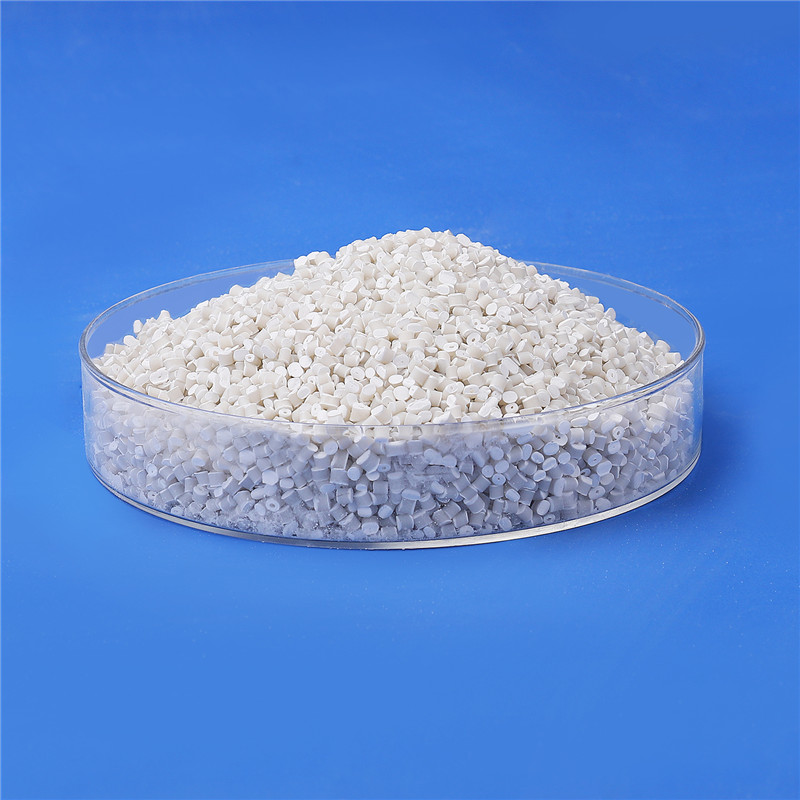
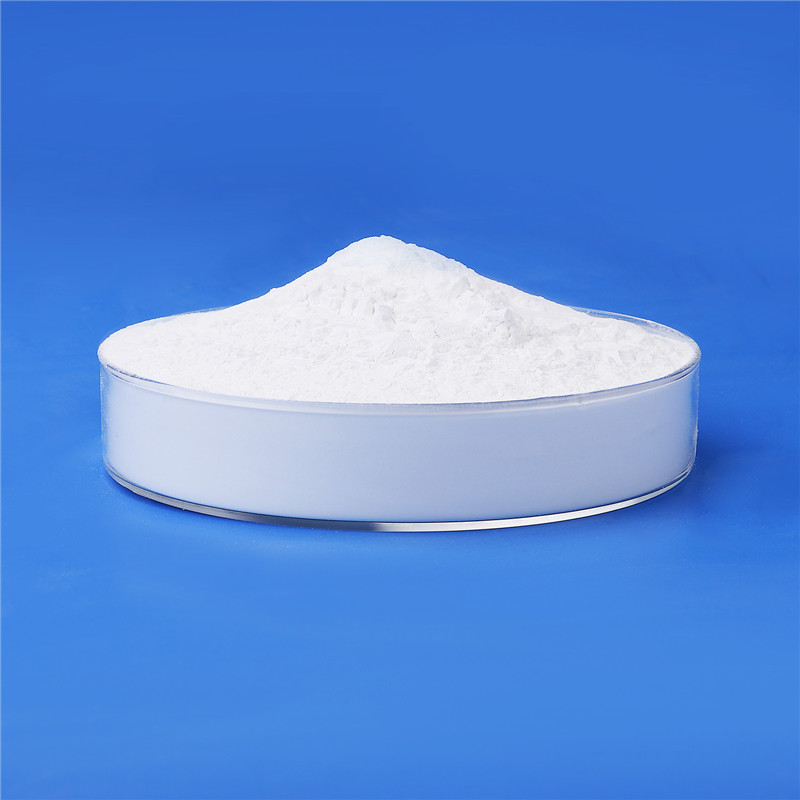
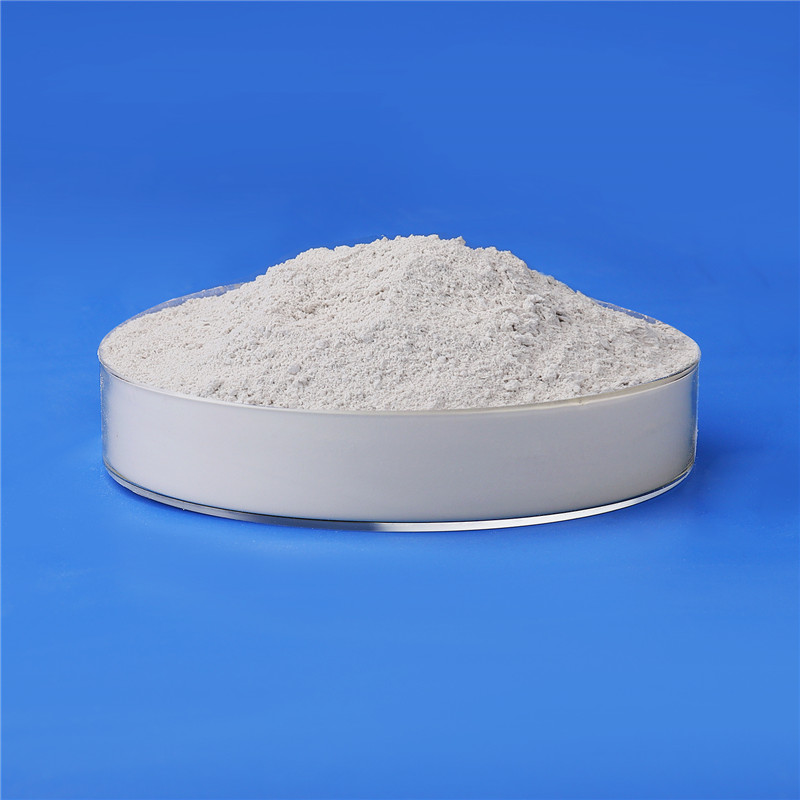
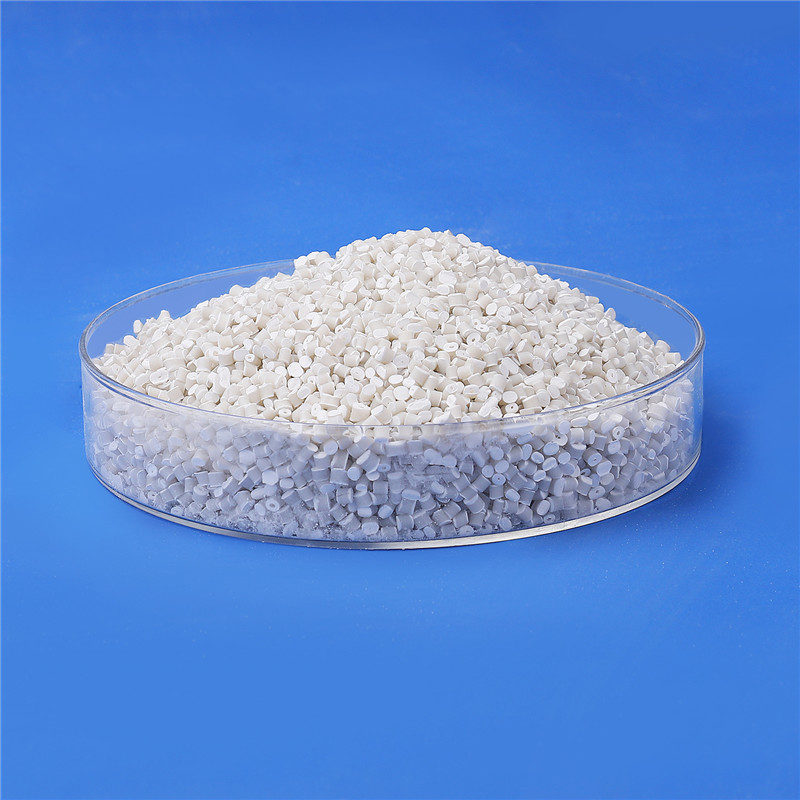
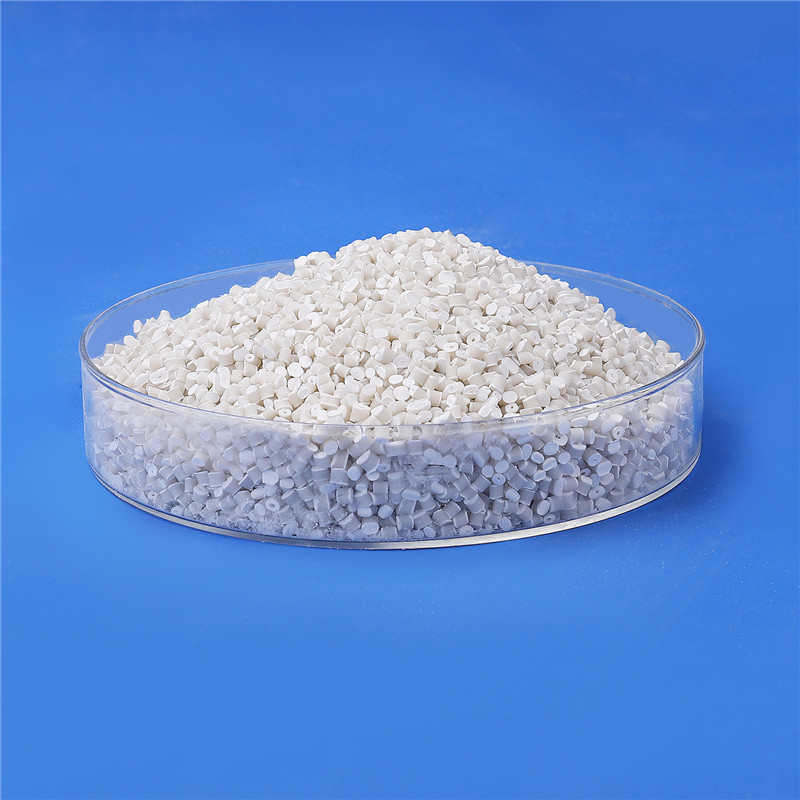
Thermoplastic Elastomers are widely used in automotive parts, electronics, medical devices, and consumer goods for their flexibility and recyclability. However, unpleasant odors from TPE—caused by volatile organic compounds from raw materials, processing aids, or thermal degradation—have long plagued manufacturers and end-users. No Smell TPE Deodorant emerges as a revolutionary solution, eliminating odors at the source while preserving material performance.
This advanced deodorant operates through dual mechanisms: chemical neutralization and physical adsorption. Its active ingredients, such as zinc ricinoleate and high-purity adsorbents, react with odor-causing molecules like aldehydes, sulfides, and amines, converting them into non-volatile, harmless substances. Unlike masking agents that only cover smells temporarily, it penetrates TPE matrices to block VOC emission, ensuring long-lasting deodorization. Critically, it maintains TPE’s original mechanical properties—elasticity, tensile strength, and processability—without introducing harmful additives.
Tailored for industrial scalability, No Smell TPE Deodorant integrates seamlessly into production workflows. Added at 3‰-5‰ of raw material weight, it mixes uniformly during extrusion or injection molding, requiring no equipment modifications. It addresses key pain points: reducing odor levels to meet strict standards like DIN 10955 (odor class ≤2) and VDA 278 for automotive applications, and complying with environmental regulations for low VOC emissions.
From children’s toys and medical catheters to automotive interiors and electronic casings, this deodorant enhances product quality and user experience. Its eco-friendly formulation is biodegradable, non-toxic, and free of heavy metals, aligning with sustainable manufacturing trends. By eliminating unpleasant smells and ensuring compliance, No Smell TPE Deodorant empowers manufacturers to unlock new opportunities in high-end, odor-sensitive markets, redefining the standard for premium TPE products.
Category: Jiahe
-
No Smell TPE Deodorant: The Game-Changer for Odor-Free Elastomer Solutions
-
Eco Friendly Odorless Agent for TPE Car Floor Mats
TPE car floor mats have gained widespread popularity for their environmental friendliness, durability and easy cleaning, but odor issues caused by volatile organic compounds (VOCs) have long plagued both manufacturers and consumers. The TPE Car Floor Mat Odorless Agent emerges as a targeted solution, addressing the root cause of unpleasant smells while preserving the material’s inherent advantages.This innovative additive operates through a dual mechanism of physical adsorption and chemical decomposition. Its porous aluminum-silicon inorganic composition boasts a high specific surface area of 400-600 m²/g, effectively trapping odor-causing molecules such as residual monomers, processing aids and thermal degradation byproducts . It then converts harmful substances like amines and sulfides into non-toxic compounds, eliminating odors at the source rather than merely masking them. Notably, it maintains stability under high-temperature processing conditions up to 300℃, making it compatible with injection molding and extrusion processes without compromising performance .Designed for seamless integration, the odorless agent features excellent dispersion with a particle size of only 2-3μm, blending uniformly with TPE materials without affecting surface gloss or mechanical strength . It significantly reduces VOC emissions, lowering odor levels to grade 1 standards while adhering to environmental certifications such as RoHS and FDA . For consumers, this means TPE car floor mats remain free of pungent smells even after prolonged exposure to sunlight or high temperatures, creating a healthier in-vehicle environment—especially beneficial for families with children and the elderly .Manufacturers benefit from its ease of use, requiring no production equipment modifications and supporting 100% material recyclability . Compatible with various TPE formulations, it addresses odors from raw material residues, processing degradation and additive volatilization . As the automotive industry prioritizes eco-friendly and user-centric products, this odorless agent becomes a key enabler for high-quality TPE car floor mats, enhancing market competitiveness while promoting sustainable manufacturing practices. -
Effective TPE Car Mats Odor Removal Causes Solutions and Prevention
TPE (Thermoplastic Elastomer) car mats are favored for their eco-friendliness, durability, and flexibility, but odor issues can mar the driving experience and even affect health. Mastering TPE car mats odor removal requires understanding root causes, adopting targeted solutions, and embracing preventive habits for long-term freshness.Odors primarily stem from volatile organic compounds (VOCs) released by TPE components like rubber oil, plasticizers, or residual processing chemicals—VOC elimination for TPE mats is thus central to deodorization. High temperatures in vehicles accelerate VOC emission, while poor storage, moisture buildup, or low-quality additives worsen the problem. Distinguish normal “new material smell” (fades in 1-3 days) from harmful odors (persistent, pungent, or worsening after sun exposure) to choose the right TPE mat deodorization approach.Practical TPE car mats odor removal methods start with ventilation—air out mats outdoors for 2-3 days to let VOCs dissipate naturally. Activated carbon or zeolite sachets placed under mats absorb odor molecules effectively, a cost-efficient step in TPE mat deodorization, though they need regular replacement. For deeper cleaning, wipe mats with a 1:1 vinegar-water solution (test on a small area first) to neutralize smells and kill bacteria without damaging TPE. Avoid harsh cleaners; opt for mild detergents and air-dry thoroughly to prevent moisture-related odors. Stubborn cases may require professional TPE car mats odor removal services using advanced VOC-elimination technology.Prevention complements VOC elimination for TPE mats. Choose reputable brands with SGS-tested, food-grade TPE materials to avoid low-quality additives that cause persistent odors. Regularly clean mats and use car shades to avoid prolonged sun exposure, which exacerbates VOC release. Store unused mats in cool, ventilated spaces to maintain freshness before installation.By integrating these TPE mat deodorization techniques and preventive measures, you can fully enjoy TPE car mats’ benefits without unpleasant smells, preserving a healthy and comfortable in-car environment for years. -
TPE Odor Neutralizing Agent The Key to Odor-Free High-Quality Elastomer Products
Thermoplastic Elastomers (TPE) are widely used in automotive interiors, children’s toys, food packaging, and consumer goods for their flexibility and processability. However, unpleasant odors—caused by volatile compounds from softening oils, additives, or high-temperature processing—often hinder product acceptance and market competitiveness. TPE Odor Neutralizing Agent emerges as a targeted solution, eliminating odors at the source without compromising material performance.
These agents integrate dual mechanisms: physical adsorption via porous aluminum-silicon inorganic matrices (with 400-600m²/g specific surface area) traps odor molecules, while chemical decomposition converts harmful volatiles (amines, sulfides, formaldehydes) into non-toxic substances. Unlike temporary masking fragrances, they deliver long-lasting deodorization, reducing odor levels to Grade 1 standards and cutting VOC emissions significantly.
Key advantages make them indispensable for TPE processing: exceptional heat stability (withstanding up to 300℃) ensures effectiveness in injection molding and extrusion; micron-scale particle size (2-3μm) enables uniform dispersion without affecting surface gloss or mechanical strength; and compatibility with SEBS/SBS-based TPEs, recycled materials, and various additives. They support sustainability by enhancing the usability of post-consumer recycled TPEs, aligning with circular economy goals.
Ideal for critical applications like automotive interiors and children’s toys, these agents meet global compliance standards, including low-toxicity requirements for food contact and consumer safety. Easy to use—no production equipment modifications needed—they integrate seamlessly into existing workflows, with typical addition levels of 0.5-3%.
By resolving odor issues, TPE Odor Neutralizing Agent boosts product quality, reduces environmental complaints, and expands application scope for TPE materials. It empowers manufacturers to deliver safer, more marketable products while advancing green production practices. -
Non-Chemical Odor Neutralizer for Elastomers: A Green and Efficient Solution
Elastomers—including natural rubber, EPDM, NBR, and thermoplastic elastomers—are widely used in automotive, medical, construction, and consumer goods fields. However, unpleasant odors from residual monomers, volatile organic compounds (VOCs), sulfides, and processing byproducts often limit their high-end applications. Traditional chemical deodorants may cause compatibility problems, degrade material performance, or bring secondary pollution, so non-chemical odor neutralizers have become a sustainable and preferred solution.
Non-chemical odor neutralizers for elastomers work through physical adsorption, molecular encapsulation, and mild catalytic decomposition, with no extra chemical reactions involved. Porous materials such as activated carbon, zeolites, and modified silicates capture odor molecules using their high specific surface areas. Microencapsulation locks volatile substances to stop them from volatilizing. Some photocatalytic or thermal catalytic systems break down odor-causing molecules into harmless CO₂ and H₂O under mild conditions, eliminating odors at the source instead of just masking them.
These neutralizers bring significant advantages. They keep the elasticity, mechanical strength, and aging resistance of elastomers intact, with no harm to material properties. They are non-toxic, eco-friendly, and meet strict standards like RoHS, REACH, and food-contact requirements. With a low addition dosage (0.3%–2.0%) and strong process compatibility, they fit mixing, vulcanization, and molding procedures well. They also cut VOC emissions and support green manufacturing.
Now widely used in automotive interiors, medical devices, food-contact products, and baby supplies, non-chemical odor neutralizers have become a key technology for high-quality elastomer production. With ongoing material innovation, they will further expand elastomer applications and promote the sustainable development of the polymer industry.
-
Odor Eliminators in Polymer Production: Technologies, Performance Data and Market Trends
Odor and volatile organic compound (VOC) emissions are persistent challenges in polymer manufacturing, harming workplace health, lowering product value, and violating strict environmental rules. With tighter standards from the U.S. EPA and European Union, efficient odor eliminators have become necessary additives for extrusion, molding, polymerization, and recycled polymer processing.
Modern odor eliminators use adsorption, neutralization, and decomposition to remove malodorous gases and VOCs. Verified industry data shows that adding just 0.05% of a specialized deodorant masterbatch reduces VOC levels by 85% in PE pellet production, while odor intensity falls from grade 4 to grade 1 without damaging material properties. Activated carbon filtration systems achieve above 90% VOC removal efficiency and hold a 22% share of the industrial odor control market. Chemical neutralizers such as Struktol RP 53 effectively capture mercaptans and amines, supporting wider use of post-consumer recycled (PCR) and post-industrial recycled (PIR) polymers.
These solutions blend easily into production lines and meet food-contact and automotive requirements. The global odor‑scavenging masterbatches market reached **USD 778.9 million in 2026** and is forecast to hit **USD 1.49 billion by 2036**, growing at a **6.7% CAGR**. Driven by recycled resin demand, the high-PCR HDPE odor control segment is expanding even faster at a **12.3% CAGR**.
In summary, odor eliminators are critical for sustainable polymer production. They cut emissions, improve product quality, and support regulatory compliance. As bio-based and heat-resistant formulas develop, these additives will keep enabling cleaner, safer, and more competitive polymer manufacturing worldwide.
-
Industrial Odor Solutions: Enhancing Air Quality and Compliance
Industrial odors, emitted from sectors like chemical manufacturing, wastewater treatment, food processing, and waste management, pose significant challenges—impacting worker health, neighboring communities, and regulatory compliance. These unpleasant fumes, often containing volatile organic compounds (VOCs), hydrogen sulfide, and ammonia, require targeted solutions to mitigate risks and maintain operational sustainability. Below are the most effective industrial odor control technologies:
Adsorption is a widely used method, leveraging materials like activated carbon or zeolites to trap odor-causing molecules. It is cost-effective, easy to install, and ideal for low to moderate odor concentrations, commonly applied in small-scale facilities or as a final polishing step. However, regular replacement of adsorbents is necessary to sustain efficiency.
Biological filtration, using microorganisms (bacteria, fungi) to break down odorants into harmless byproducts (water, carbon dioxide), is eco-friendly and suitable for high-flow, moderate-concentration scenarios. Biofilters or biotrickling filters, filled with organic media like compost or wood chips, operate without chemical additives, making them popular for wastewater plants and food factories.
Chemical scrubbing neutralizes odors via chemical reactions—for example, using alkaline solutions to treat acidic gases like hydrogen sulfide. This method excels in high-concentration, toxic odor environments (e.g., chemical plants) but requires careful handling of chemicals and waste disposal.
Advanced oxidation processes (AOPs), such as UV photocatalysis or ozone treatment, oxidize odor molecules into non-odorous compounds. AOPs are compact, require minimal maintenance, and effective for recalcitrant VOCs, though energy consumption may be higher.
Selecting the right solution depends on odor composition, concentration, and facility size. By adopting tailored odor control systems, industries can meet environmental standards, protect public health, and foster sustainable operations.
-
Odor-Free Recycled Plastic Additives: Catalysts for Circular Economy
Odor-free recycled plastic additives have become indispensable in advancing the circular economy, addressing a critical barrier to post-consumer recycled (PCR) plastic adoption. PCR plastics often emit unpleasant odors from residual food, detergent, or thermal degradation byproducts, limiting their use in high-value applications. These additives enable cleaner, market-ready recycled materials while supporting sustainability goals.
The technology operates through three primary mechanisms: adsorption, neutralization, and masking. Adsorptive solutions like Ampacet’s OdorClear™ trap odor molecules within the polymer matrix, outperforming traditional inorganic scavengers. Reactive additives such as OMI Industries’ Ecosorb® neutralize volatile organic compounds (VOCs) at the molecular level without toxic chemicals. Structol’s RP 17 and RP 53 offer dual functionality—masking odors or neutralizing mercaptans and amines while enhancing processability.
Key applications span packaging, automotive, and consumer goods. In food and personal care packaging, these additives meet strict sensory standards, with some formulations reducing VOCs below 3.0 and complying with OSHA regulations. Automotive interiors benefit from heat-resistant variants like RP 53, which mitigate odor amplification at high processing temperatures. Compatible with PE, PP, and rubber systems, they integrate seamlessly into extrusion and molding processes.
Market demand is surging, with the odor-neutralizing additives sector projected to reach $1.03 billion by 2036 at a 9.1% CAGR. As brands and regulators mandate higher recycled content, these additives unlock the full potential of PCR plastics—enabling 100% recycled formulations without compromising quality. Their low dosage requirements (0.25-3%) and long shelf life further enhance cost-effectiveness.
In essence, odor-free recycled plastic additives bridge sustainability and performance, driving the transition to a more circular plastic economy. -
High-Temperature Deodorizer Revolutionizing Rubber Molding
The rubber molding industry has long grappled with odor issues stemming from sulfides, amines and plasticizer volatiles released during high-heat processes like vulcanization. High-temperature deodorizers have emerged as a transformative solution, addressing both environmental compliance and product quality demands.
These deodorizers operate through a triple mechanism that outperforms traditional masking agents. Their porous structure, often composed of modified activated carbon and natural minerals, first captures odor molecules. Catalytic components then convert these pollutants into harmless carbon dioxide and water, eliminating secondary contamination risks. Critical to their utility is exceptional heat resistance—top formulations withstand 150-200℃ vulcanization temperatures without decomposition, with some grades tolerating up to 400℃.
Compatibility across rubber types makes them versatile. They integrate seamlessly with natural rubber, nitrile rubber (NBR), EPDM and recycled rubber systems during mixing or molding. Adding just 0.3%-2.0% by weight achieves significant results, reducing odor levels from 4-5 to below 1 per GB/T 27755 standards.
Environmental and performance benefits further drive adoption. Certified under REACH and RoHS, they contain no heavy metals or harmful volatiles. Importantly, they preserve key mechanical properties—tensile strength, elasticity and wear resistance remain uncompromised, while product appearance stays consistent.
For manufacturers, these deodorizers resolve costly pain points: reducing workplace odor complaints and downstream product returns. As rubber recycling rates rise globally, they play a vital role in mitigating emissions from reclaimed materials. In essence, high-temperature deodorizers are not just additives but essential enablers of sustainable, high-quality rubber production.
-
Non Toxic Odor Suppressant A Safe Approach to Odor Management
Odor pollution poses a persistent challenge in both residential and industrial settings, affecting comfort, health, and overall quality of life. Traditional odor control products often rely on harsh chemicals that may emit harmful fumes or leave toxic residues, raising concerns for human health and the environment. In response, non-toxic odor suppressants have emerged as a reliable alternative, combining effective odor neutralization with safety.
Non-toxic odor suppressants differ fundamentally from conventional deodorizers. Instead of masking odors with synthetic fragrances or using corrosive disinfectants, they target the root causes of unpleasant smells. Most formulations feature natural ingredients such as plant-derived essential oils, enzymatic complexes, probiotics, or mineral-based compounds. Enzymes, for example, break down odor-causing molecules like proteins and organic acids into harmless byproducts, eliminating the source rather than providing temporary relief. Plant extracts like tea tree oil and eucalyptus offer natural antibacterial properties while adding subtle, refreshing scents without synthetic additives.
The advantages of these suppressants are multifaceted. Safety stands as their core benefit—free from volatile organic compounds (VOCs), formaldehyde, and harsh solvents, they are safe for use around children, pets, and individuals with sensitivities. Environmentally, they biodegrade easily, reducing pollution in waterways and soil compared to chemical-laden alternatives. Their efficacy is equally impressive, as they address odor sources directly, ensuring long-lasting results in diverse scenarios.
Their applications span numerous sectors. In households, they combat kitchen waste odors, bathroom mildew, and pet smells. Industrial settings such as wastewater treatment plants and manufacturing facilities use them to control emissions without endangering workers. The healthcare industry adopts them to maintain hygienic environments in hospitals and clinics, minimizing cross-contamination risks. Even public spaces like offices and schools benefit from their gentle yet effective odor control.
As environmental and health awareness grows, the demand for non-toxic odor suppressants continues to rise. These products represent a harmonious balance between efficacy and sustainability, offering a responsible solution to odor management. With ongoing advancements in natural formulations and application technologies, they are poised to become the preferred choice for residential and commercial use, fostering healthier living and working spaces worldwide.
If you need to adjust the focus—such as emphasizing specific industries, adding technical details about formulations, or shortening/lengthening certain sections—feel free to let me know!